 P. Sze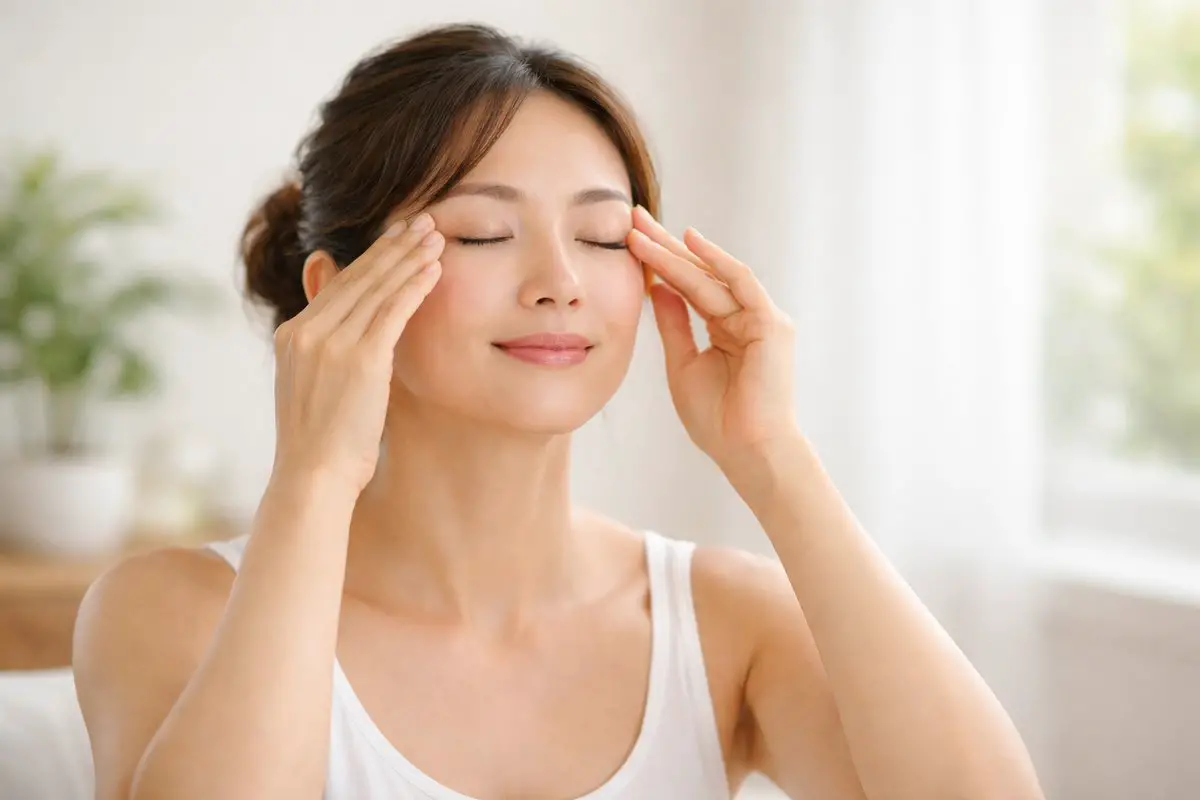
5-Minute TCM Eye Lift: A Natural Ritual for Brighter, Less Puffy Eyes
If your eyes look tired before your day even begins, you’re not alone. Long screen hours, mental stress, lack of sleep, and late dinners often show up first around the eyes. Puffiness, heaviness, and a dull appearance can make your entire face look less lifted—even if the rest of your skin is healthy.
The good news is that you don’t need complicated tools or harsh products to refresh the eye area. Traditional Chinese Medicine (TCM) offers a simple, effective way to wake up tired eyes and restore natural brightness in just five minutes. With gentle massage, precise acupressure, and a few supportive habits, you can create visible change quickly and naturally.
This is a beauty ritual that feels modern and practical, yet deeply rooted in time-tested TCM wisdom.
Why Puffiness Shows Up Around the Eyes So Fast in TCM
In TCM, the eyes are seen as a reflection of what’s happening inside the body, not just a local skin concern. Stress, poor sleep, and prolonged mental focus can disrupt the smooth flow of Qi (vital energy) and Blood. When circulation slows, fluids are more likely to accumulate.
Over time, this pattern weakens the Liver system, which in TCM is closely connected to the eyes. When the Liver’s function becomes strained, signs such as eye fatigue, heaviness, redness, and puffiness tend to appear quickly—often overnight.
“In Traditional Chinese Medicine, the eyes reflect the condition of the entire body,” explains Ms. Mai.
“When Qi flow is disrupted by stress or cold, Blood and Body Fluids stagnate, and puffiness becomes visible.”
Because the skin around the eyes is thin and delicate, it responds rapidly—both to imbalance and to gentle stimulation. That’s why a short, targeted ritual can make such a noticeable difference.
The 5-Minute TCM Eye Lift Massage
This simple routine focuses on the brow line and orbital bone, encouraging circulation, easing tension, and helping excess fluid move out of the eye area. The pressure should always feel comfortable and calming—never painful.
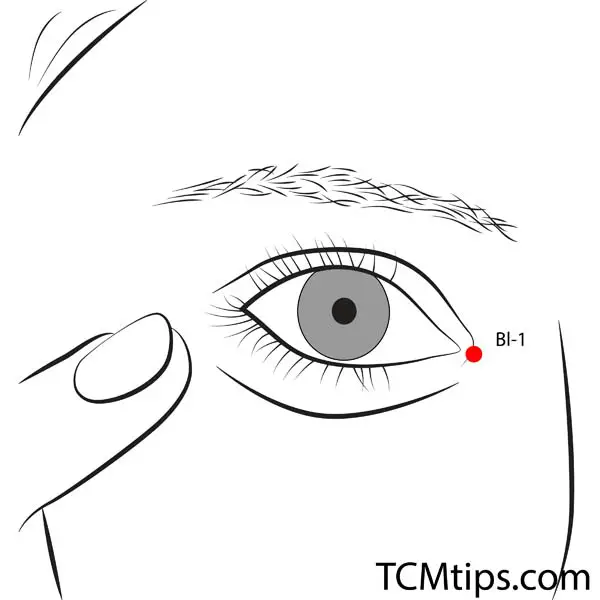
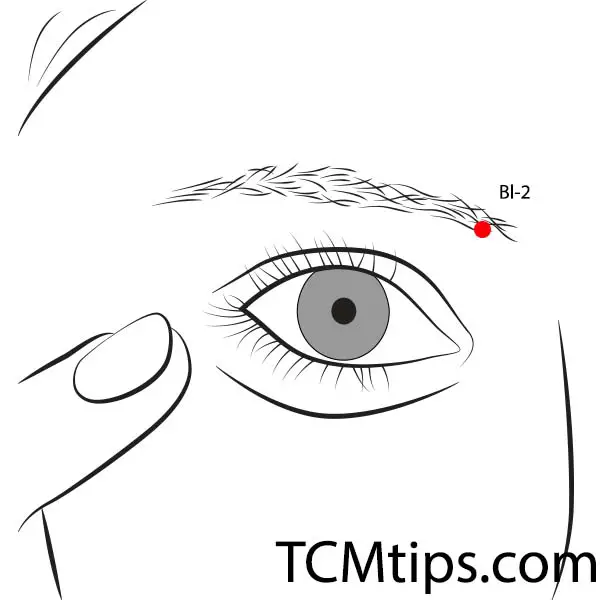
Step 1: Acupressure Sequence for De-Puffing (2–3 minutes)
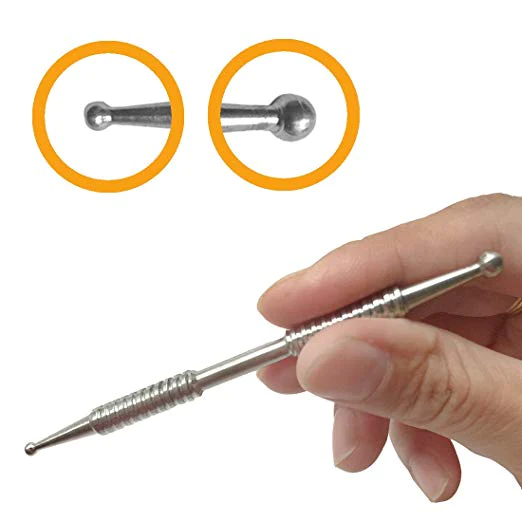
Using the pads of your fingers, apply light pressure to each acupressure point in the following order:
- Jingming (BL-1) – located at the inner corner of the eye, near the bridge of the nose
- Zanzhu (BL-2) – at the inner edge of the eyebrow
- Yangbai (GB-14) – centered above the eyebrow on the forehead
- Sizhukong (TE-23) – in the small hollow at the outer end of the eyebrow
- Chengqi (ST-1) – directly below the center of the eye, on the orbital bone
Hold each point for about 3 seconds, then move on to the next. Repeat the full sequence 2–3 times.
This flow helps stimulate circulation, release stagnation, and gently drain fluid that contributes to morning puffiness. Many people notice their eyes feel lighter and more open immediately after.
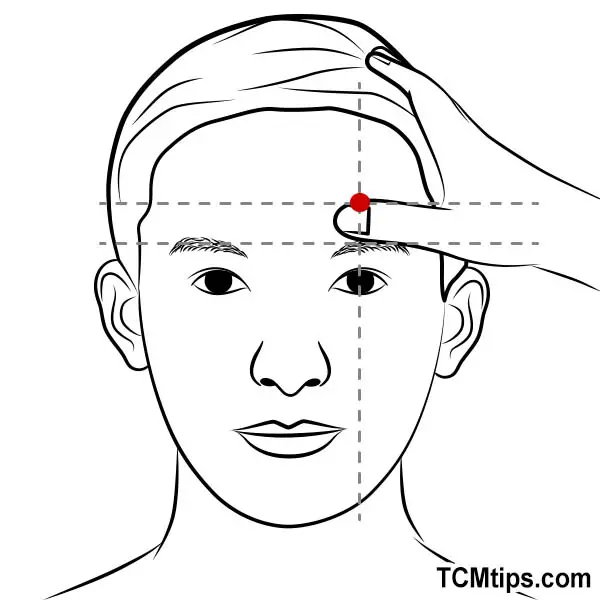
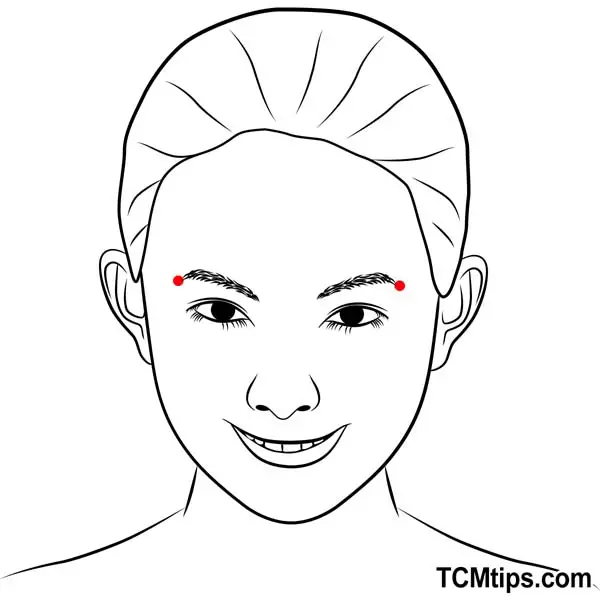
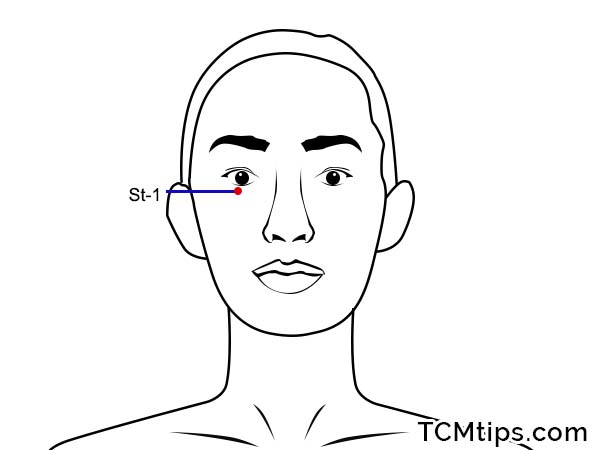
Step 2: Brow-Lifting Massage (1 minute)
Place your index, middle, and ring fingers just above your eyebrows. Apply light pressure and gently rock or wiggle your fingers while maintaining contact with the skin.
This movement relaxes tension in the brow muscles and encourages a subtle lifting effect, making the eyes appear more awake and refreshed.
Step 3: Earlobe Lift Boost (1 minute)
Gently pinch the center of each earlobe and massage in small circular motions.
“The earlobe contains reflex points related to the eyes and facial lifting,” says Ms. Mai.
“Stimulating this area can enhance an overall lifting effect in the face.”
This step is especially useful on busy mornings—it’s quick, discreet, and surprisingly effective.
How Stress Contributes to Eye Puffiness
Stress doesn’t just affect your mood—it leaves visible marks on the face. In TCM, ongoing stress weakens the Liver system and disrupts the smooth movement of Qi and Blood. When circulation becomes sluggish, fluids accumulate more easily, particularly around the eyes.
This is why stress-related puffiness often feels heavier and more persistent than puffiness caused by lack of sleep alone.
To calm this pattern, Ms. Mai recommends combining acupressure with gentle movement:
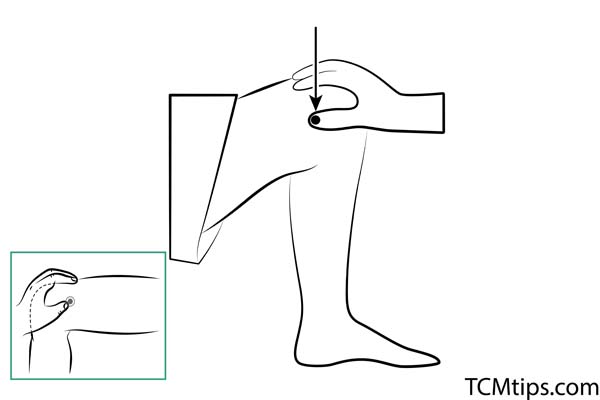
- Daily massage of Sanyinjiao (SP-6) and Xuehai (SP-10)
- Slow, deep breathing to help regulate Qi
- Gentle stretching along the inner thighs and sides of the body, where the Liver meridian runs
These habits help release internal tension that would otherwise show up as swelling and fatigue around the eyes.
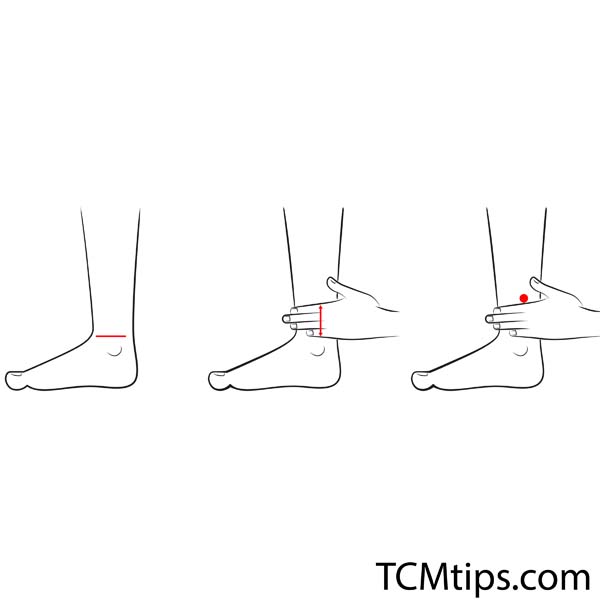
Natural TCM-Inspired Ways to Prevent Puffiness
If you’re sensitive to skincare products or prefer minimal routines, internal support plays an important role in preventing eye swelling.
Cooling Support for Tired Eyes
Chrysanthemum tea is traditionally used in TCM to soothe eye discomfort and visual fatigue. Drinking one to two cups a day can help gently cool the body and calm irritation that contributes to redness and puffiness.
Foods That Support Fluid Balance
Certain foods are commonly used in TCM to help the body manage excess fluid:
- Job’s tears (coix seeds)
- Edamame
- Corn
Including these regularly may help reduce both morning and evening puffiness.
Evening Habits That Affect Morning Eyes
Late-night salt intake is often blamed for puffy eyes, and TCM offers a clear explanation. Excess salt can disrupt the balance of Qi, Blood, and Body Fluids, leading to fluid retention. When elimination slows, swelling becomes more visible—especially around the eyes.
To keep the eye area balanced at night:
- Limit salty or processed foods in the evening
- Avoid drinking large amounts of liquid late at night
- If you choose tea, keep it to one warm cup, such as Job’s tears tea, black bean tea, or corn tea
Foods that support the Kidney system—like black beans, black sesame seeds, walnuts, and Job’s tears—are traditionally recommended to help manage fluid metabolism overnight.
A Simple Ritual with Visible Beauty Benefits
This 5-minute TCM eye lift works because it supports your body’s natural rhythms instead of forcing change. With gentle, consistent care, your eyes can look brighter, lighter, and more lifted—without harsh products or complicated routines.
It’s a small ritual that fits easily into busy mornings, yet delivers visible results that help you feel refreshed, confident, and naturally radiant.
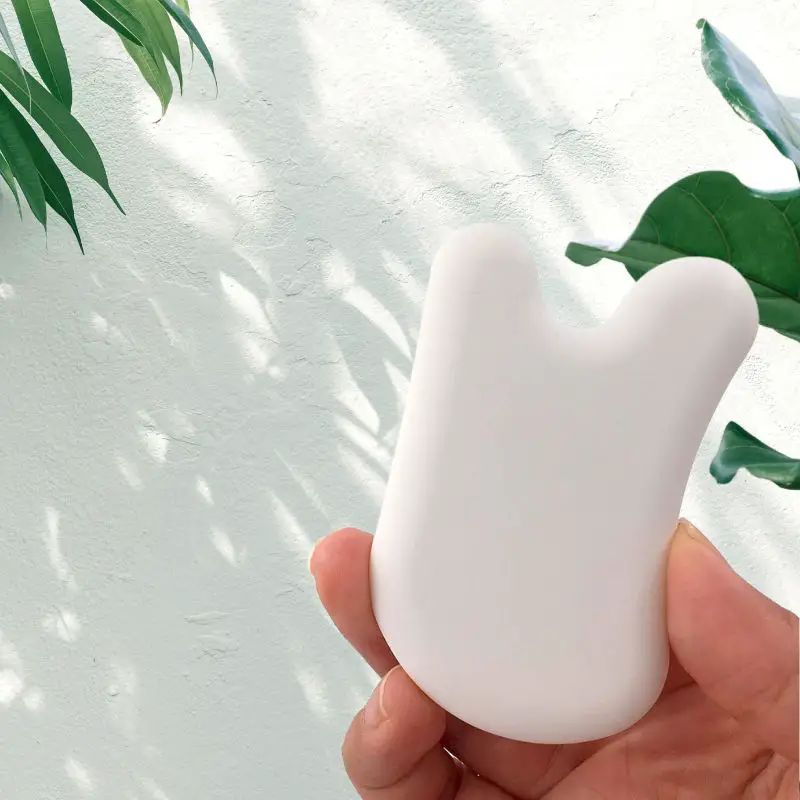
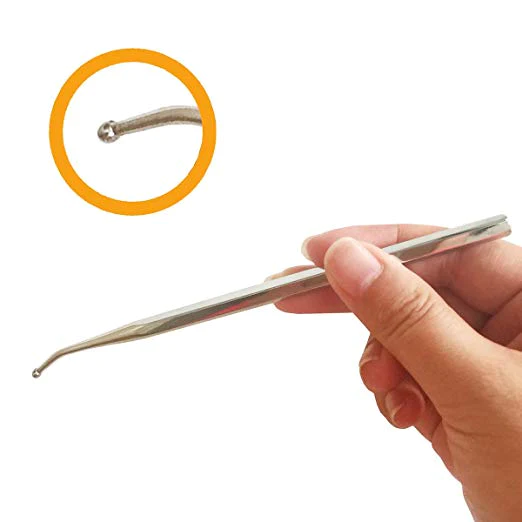
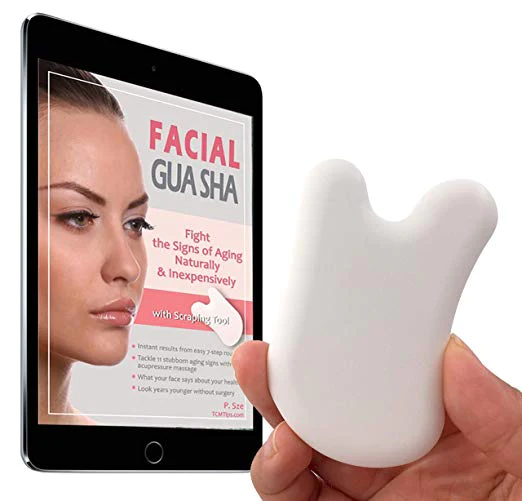
Try our Anti-Aging Gua Sha Tool designed to bring out your skin’s natural glow.
Best Gua Sha Product- Anti-Aging: The tool is designed to target 11 specific aging signs such as wrinkles and sagging skin. By following the 7-step routine, users can improve skin firmness and reduce fine lines naturally.
- Enhances Skincare Routine: It works effectively with serums and lotions, boosting absorption and efficacy of skincare products.
- Visible Skin Improvement: Users can expect a smoother complexion, reduced puffiness, and a more youthful appearance.