 P. Sze
Stay Sharp: A TCM Approach to Keeping Your Memory Strong as You Age
It’s natural to worry when names slip, details blur, or you walk into a room and forget why. For many older adults, these moments feel like early signs of decline. But from a Traditional Chinese Medicine (TCM) perspective, memory changes aren’t simply something you must accept. They’re signals—gentle reminders from the body—that certain systems need nourishment.
TCM views the brain not as a separate, isolated organ but as part of a network closely connected to your Kidneys, Heart, and the smooth flow of Qi throughout your body. When these systems weaken or become imbalanced, memory often becomes “slippery,” as practitioners like to say. The encouraging news: there is a great deal you can do at home to support clarity, focus, and long-term brain health.
Why Memory Feels Like It Slips: A Simple TCM Explanation
In TCM philosophy, the Kidneys store your deepest energy reserves—what practitioners call “Kidney essence.” This essence generates marrow, which nourishes the brain. As we age, Kidney essence naturally decreases. That’s why lapses in memory often show up later in life.
As Ms. Mai explains:
“There is a saying in TCM: ‘The Kidney governs the bones, generates marrow, and connects to the brain.’ Because the Kidneys are closely related to the brain, memory tends to decline as Kidney function weakens with age.”
The Heart also plays a role. In TCM, the Heart houses the “Spirit”—your ability to think clearly, stay present, and hold onto information. When stress, poor sleep, or emotional strain weigh heavily on the Heart system, your memory can feel scattered or unfocused.
Understanding this connection helps shift the mindset from fear to empowerment. If memory reflects the state of your internal systems, then supporting those systems can help you stay sharp.
Two Acupressure Points to Clear Fog and Improve Focus
Acupressure is one of the gentlest, most accessible ways to support brain function at home. It improves circulation, encourages Qi flow, and helps wake up the mind.
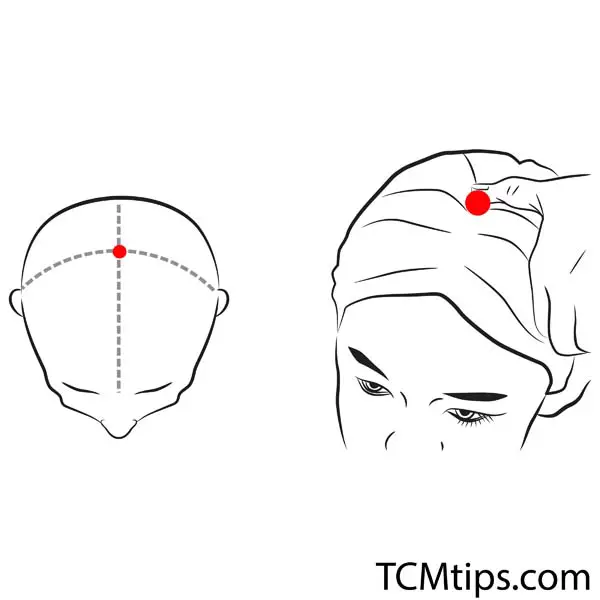
GV-20 (Baihui): The “Gathering Point”
Located at the crown of the head, this point is traditionally used to lift energy, brighten the mind, and support mental clarity.
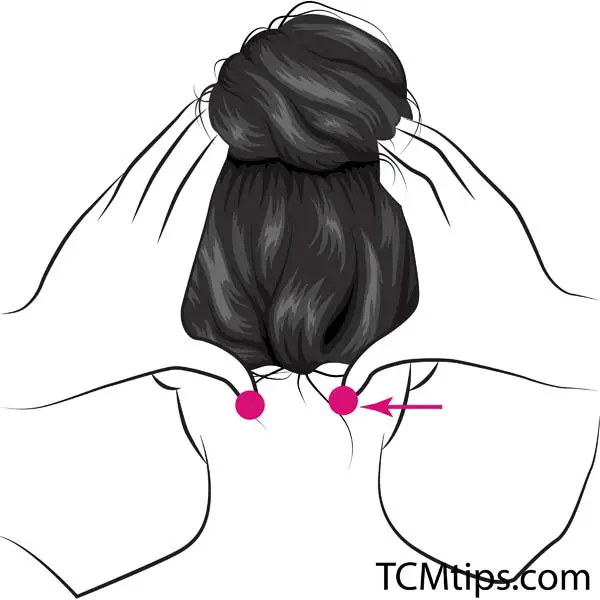
GB-20 (Fengchi): The “Wind Pool”
Found beneath the base of the skull, on either side of the neck, this point helps ease tension and improve blood flow to the head.
How to Press Them
- Sit comfortably with your shoulders relaxed.
- Apply gentle but firm pressure to DU-20 or GB-20.
- Hold for 3–5 seconds.
- Release, then repeat three times.
- Practice every morning and evening.
This simple routine encourages clearer thinking and a grounded, refreshed feeling—especially helpful on days when mental fog lingers.
Stress, Sleep, and Your Memory: A TCM View
Many of the seniors Ms. Mai sees worry that stress or restless nights are accelerating their memory challenges. And they’re right to pay attention—TCM teaches that both stress and insufficient sleep lead to Qi stagnation, meaning your energy cannot circulate smoothly.
When Qi becomes stuck, less of it reaches the brain, leaving you tired, forgetful, or mentally sluggish.
A soothing bedtime routine makes a meaningful difference. Ms. Mai recommends a simple breathing ritual:
Five-Breath Evening Reset
- Sit or lie comfortably.
- Take a deep, slow breath through your nose.
- Exhale fully through your mouth.
- Repeat this five times.
Closing your eyes for a minute of quiet meditation afterward helps guide fresh Qi upward and calms the mind for restful sleep.
Why Meals Can Cause Brain Fog
If you’ve ever felt mentally slow after eating, you’re not alone. From a TCM perspective, digestion requires a significant amount of Qi. After meals, your body directs energy toward the stomach and Spleen, leaving less Qi available for the brain. When your Spleen is already weak, this effect becomes more noticeable.
To support digestion—and reduce that heavy, foggy feeling—choose foods that replenish Qi and Blood.
Foods That Tonify Qi
- Rice
- Root vegetables
- Mushrooms
- Eel
- Yam
Foods That Nourish Blood
- Liver
- Lean red meat
- Spinach
- Prunes
- Goji berries
Warm, simple meals tend to digest more easily. One dish Ms. Mai especially recommends is samgyetang, a porridge-like chicken soup containing glutinous rice, jujube, goji berries, and green onion. It warms the body, supports digestion, and gently strengthens Qi and Blood—both essential for clearer thinking.
When Stillness Slows the Mind
You may notice that on days spent sitting too long—or when mild aches set in—your thinking feels slower. In TCM, poor circulation of Qi can cause both pain and sluggish mental function. Movement encourages Qi to rise and refresh the brain.
Gentle Ways to “Wake Up” the Mind
- Take a short walk in natural sunlight.
- Massage the soles of your feet to stimulate circulation.
- Use a bamboo stepper or acupressure mat for a few minutes.
Breathing also plays a role. Try the following exercise when your mind feels dull:
3-2-6 Breathing for Mental Brightness
- Inhale through your nose for 3 seconds.
- Hold gently for 2 seconds.
- Exhale slowly through your mouth for 6 seconds.
- Repeat five cycles.
The extended exhale calms tension, while the steady rhythm helps Qi circulate more freely.
One Daily Routine for Long-Term Brain Health
When asked for one routine that seniors can realistically do every day, Ms. Mai keeps it simple: acupressure or foot stimulation. These practices require no equipment, take only minutes, and offer steady, cumulative benefits. Over time, they support circulation, relax the mind, and help maintain the essential Qi that nourishes the brain.
A Common Misunderstanding About Aging and the Brain
Many people assume that aging naturally means declining brain function. But TCM takes a more hopeful view.
“Many people assume the brain inevitably declines with age, but TCM believes deterioration can be prevented with proper care. Supporting the internal organs is important, but keeping the brain stimulated—by trying new things and maintaining curiosity—is also key to preserving its vitality.”
In other words, staying mentally engaged—learning something new, exploring a hobby, or even changing your daily route—helps keep the Spirit bright and the mind strong.
A Gentle Path Toward Staying Sharp
Memory changes may feel unsettling, but they are not a sign that your best days are behind you. Instead, they offer a chance to care more intentionally for the systems that support your mind and Spirit.
With a few simple tools—acupressure, warm nourishing foods, mindful breathing, light daily movement—you can create an environment within the body where clarity thrives. TCM reminds us that the brain is not separate from the rest of you. It is nourished, strengthened, and supported by your daily choices.
And with steady, gentle care, your memory can remain vibrant well into the years ahead.
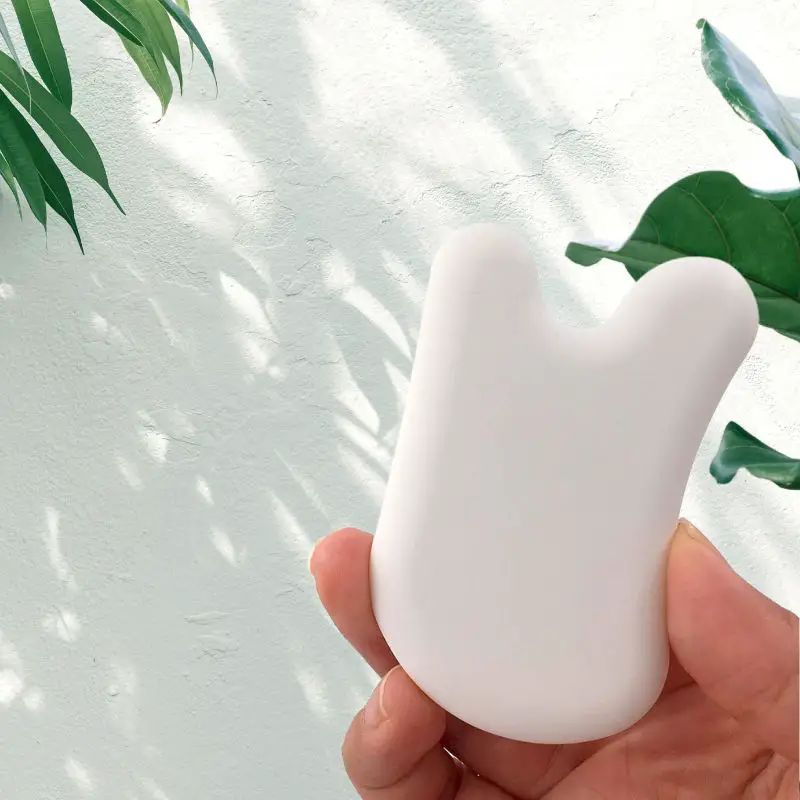
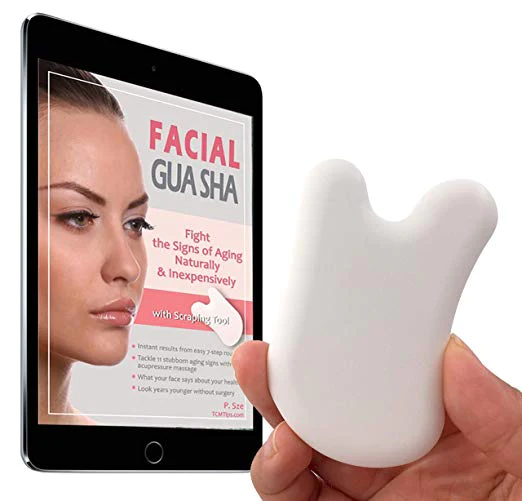
Try our Anti-Aging Gua Sha Tool designed to bring out your skin’s natural glow.
Best Gua Sha Product- Anti-Aging: The tool is designed to target 11 specific aging signs such as wrinkles and sagging skin. By following the 7-step routine, users can improve skin firmness and reduce fine lines naturally.
- Enhances Skincare Routine: It works effectively with serums and lotions, boosting absorption and efficacy of skincare products.
- Visible Skin Improvement: Users can expect a smoother complexion, reduced puffiness, and a more youthful appearance.