 P. Sze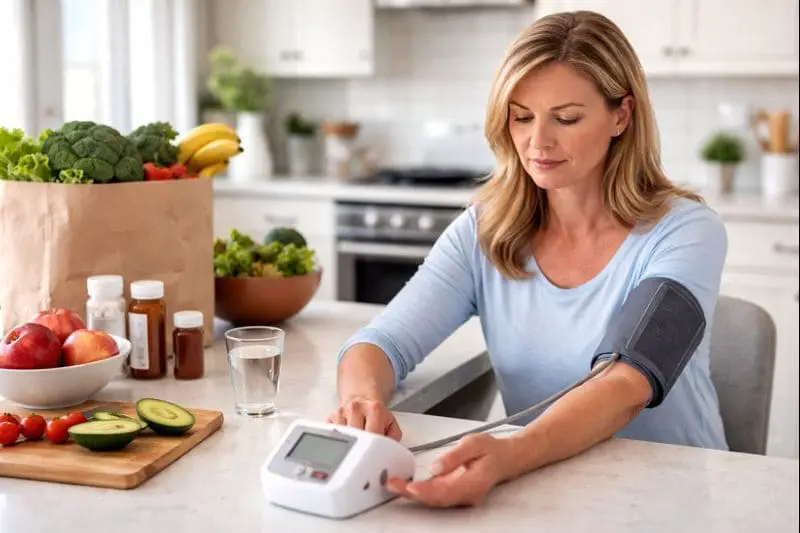
The Everyday Foods That Could Undermine Your Blood Pressure Medication
Taking blood pressure medication every day can feel like you’re doing the most important thing for your heart. Yet for many women balancing work, family meals, and everyday stress, hidden food–drug interactions may quietly interfere with treatment. Foods you eat regularly—some commonly viewed as healthy—can change how your medication works, sometimes weakening its benefits or increasing unwanted side effects.
Recent clinical research and expert medical reporting show that diet plays a meaningful role in how blood pressure medications are absorbed and metabolized. Being aware of these interactions can help you protect your progress and avoid setbacks that don’t show up until your numbers rise again.
Why Food–Drug Interactions Matter for Blood Pressure Management
High blood pressure affects nearly 48% of adults in the United States, and many people depend on long-term medication to control it. For women aged 30–50, hypertension often develops alongside chronic stress, poor sleep, and busy routines—factors that already place extra strain on the cardiovascular system.
Certain foods interfere with how medications are processed in the body. Some slow down drug breakdown, leading to higher drug levels and more side effects. Others directly oppose the medication’s purpose, making it harder to keep blood pressure within a healthy range even with consistent use.
Foods That May Interfere With Blood Pressure Medication
Being mindful of these common food categories can help your medication work more effectively.
1. Grapefruit and Grapefruit Juice
Grapefruit contains compounds that block enzymes responsible for breaking down many medications. When these enzymes are inhibited, medication can stay in the bloodstream longer than intended, increasing the risk of side effects such as dizziness, flushing, or heart rhythm changes.
2. High-Sodium Foods
Salt is one of the strongest dietary contributors to high blood pressure. Processed foods, restaurant meals, and packaged snacks often contain 1,000–1,500 milligrams of sodium per serving, which can counteract blood-pressure-lowering medications by increasing fluid retention.
3. High-Potassium Foods
Potassium is essential for health, but some blood pressure medications already raise potassium levels in the body. Eating large amounts of potassium-rich foods—such as bananas, potatoes, and avocados—may increase the risk of hyperkalemia, a condition that can affect heart rhythm and muscle function.
4. Aged and Fermented Foods
Aged cheeses, cured meats, and fermented foods are high in tyramine. When combined with certain medications, tyramine can trigger sudden spikes in blood pressure. While not common, this interaction can be serious.
5. Licorice
Real licorice root can raise blood pressure by causing sodium retention and potassium loss. Even small but regular amounts may weaken the effectiveness of blood pressure medication over time.
How These Insights Were Developed
These dietary recommendations are based on pharmacological research and clinical experience. Medical experts analyze how foods affect enzyme activity, mineral balance, and cardiovascular response. Rather than relying on a single study, this guidance reflects a broader body of evidence used in everyday patient care.
A TCM Perspective: Acupressure to Support Calm and Circulation
In Traditional Chinese Medicine, high blood pressure is often linked to stress, emotional strain, and imbalance in the heart and circulation systems. Acupressure offers a simple, at-home practice that may help calm the nervous system and support overall balance when used alongside medical treatment.
Three Acupressure Points to Support Blood Pressure Balance
Shenmen (HT 7) – Heart 7
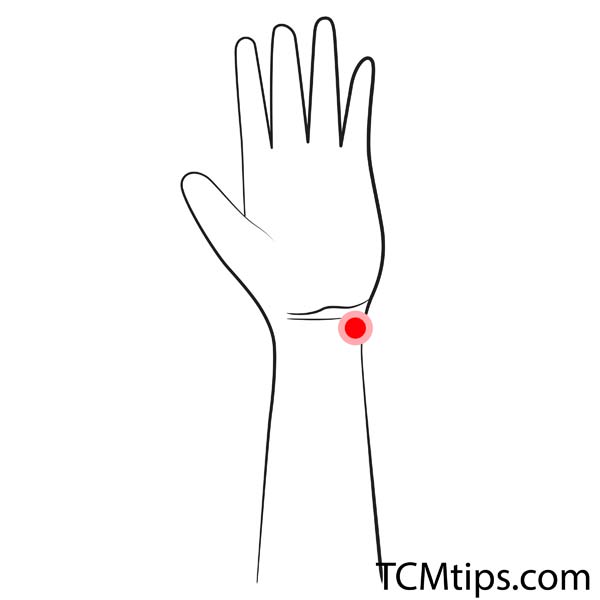
Located on the inner wrist crease, in line with the little finger. Shenmen is traditionally used to calm the mind, ease anxiety, and support heart balance—key factors in stress-related blood pressure fluctuations.
Neiguan (PC 6) – Pericardium 6
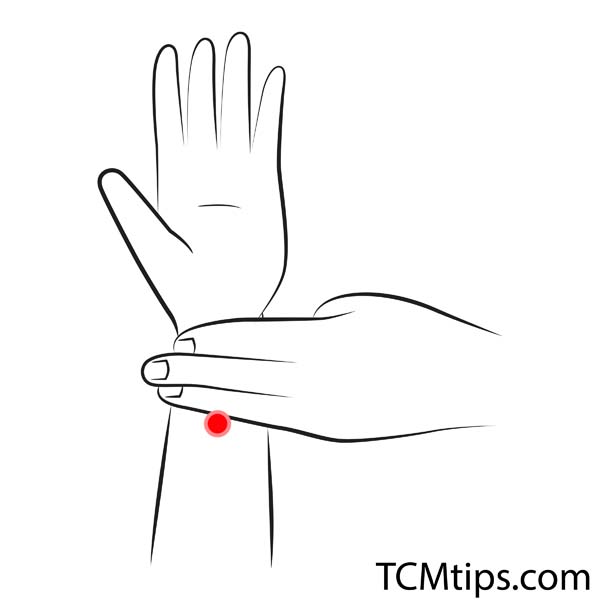
Found about three finger-widths above the inner wrist crease, between two tendons. Neiguan is commonly used to relax the nervous system, relieve chest tightness, and promote smoother circulation.
Renying (ST 9) – Stomach 9
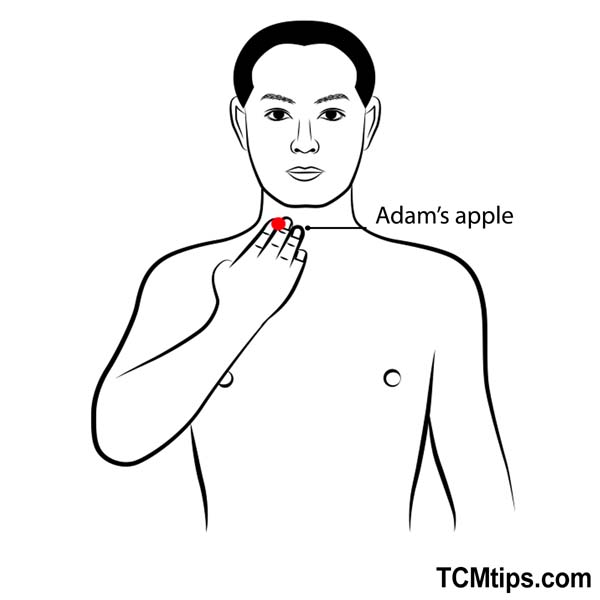
Located on the side of the neck, level with the Adam’s apple, just in front of the neck muscle. This point is traditionally associated with regulating circulation to the head and neck and supporting healthy blood pressure balance.
If you’d like a deeper, step-by-step guide, you can explore our detailed resource on acupressure for high blood pressure relief, which walks you through safe techniques you can use at home.
Apply gentle, steady pressure to each point for one to two minutes, once or twice daily. Use slow, deep breathing, and avoid pressing too hard—especially around the neck area.
Final Takeaway
Blood pressure care doesn’t stop with taking medication on time. Paying attention to everyday food choices and practicing targeted acupressure can help support your treatment and long-term heart health. Small, informed habits practiced daily can make a meaningful difference over time.
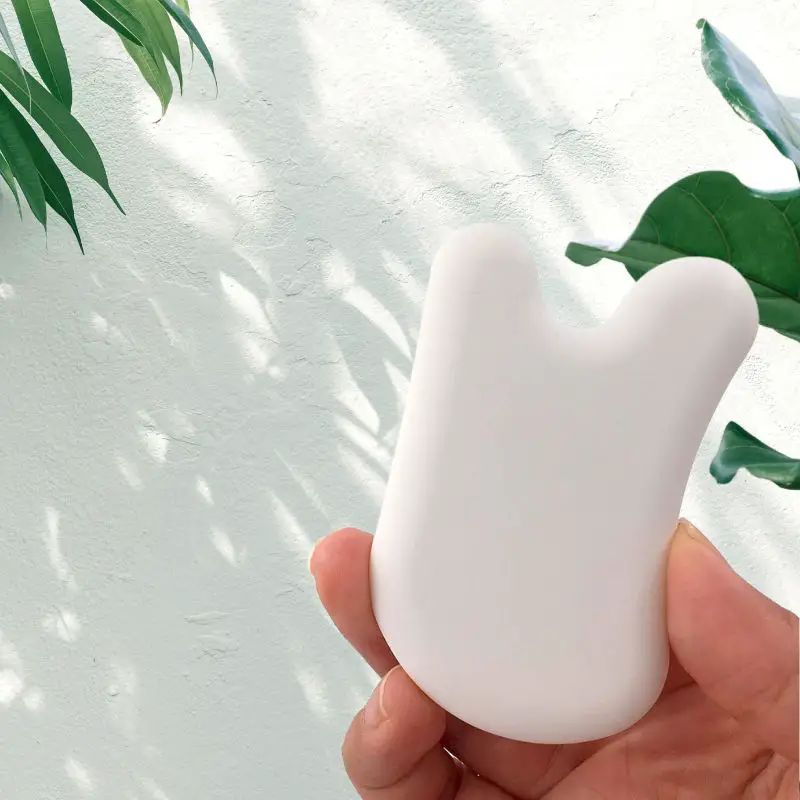
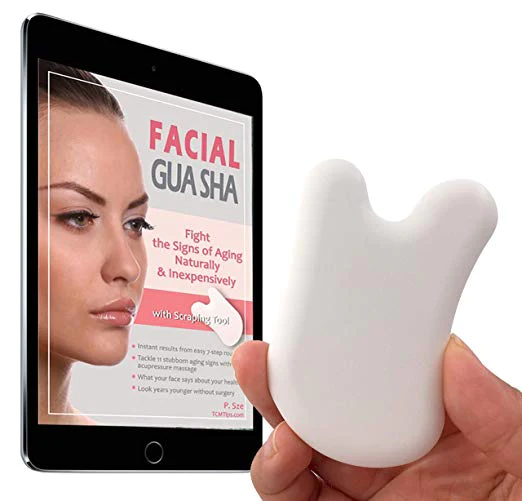
Try our Anti-Aging Gua Sha Tool designed to bring out your skin’s natural glow.
Best Gua Sha Product- Anti-Aging: The tool is designed to target 11 specific aging signs such as wrinkles and sagging skin. By following the 7-step routine, users can improve skin firmness and reduce fine lines naturally.
- Enhances Skincare Routine: It works effectively with serums and lotions, boosting absorption and efficacy of skincare products.
- Visible Skin Improvement: Users can expect a smoother complexion, reduced puffiness, and a more youthful appearance.