 P. Sze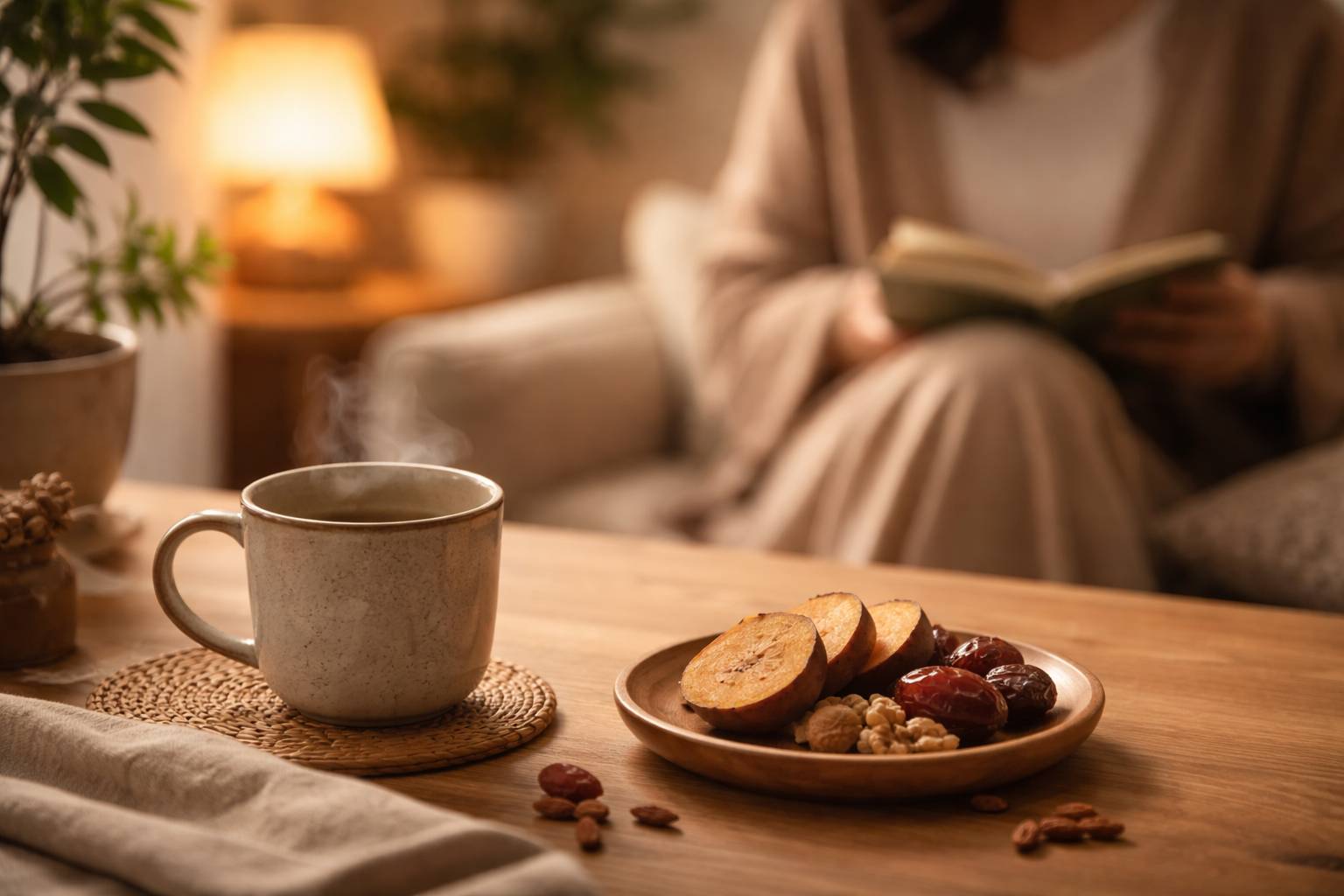
A Calm Nighttime Reset to Curb Sugar Cravings Naturally
If you’ve ever brushed your teeth, turned off the lights, and then suddenly felt pulled toward cookies, chocolate, or “just a little something sweet,” you’re not alone. Late-night sugar cravings are one of the most common wellness frustrations for busy adults—especially after long workdays, irregular meals, and a brain that’s been “on” since morning.
From a Traditional Chinese Medicine (TCM) perspective, that nighttime pull isn’t just about willpower. It’s often your body asking for support—either because it’s running low on steady energy, or because it’s feeling overstimulated and under-nourished at the same time. The good news: you don’t have to fight your cravings head-on. You can soften them by meeting the need underneath.
Why sugar cravings hit harder at night in TCM
TCM looks at cravings as information. When your system is out of balance, the body tends to seek quick comfort—especially in the evening, when your guard is down and your stress hormones may still be elevated from the day.
Two patterns show up often in late-night sweet cravings:
Weak Spleen Qi: “I need quick fuel”
In TCM, the Spleen is closely tied to digestion, nourishment, and turning food into usable energy (Qi). When Spleen function is strained—by skipping meals, living on cold/raw foods, chronic stress, or constant snacking—your body may reach for sweetness as a fast “top-up.”
Ms. Mai explains the core idea simply:
“Sweet flavors directly nourish the Spleen.”
That doesn’t mean “eat sugar to heal.” It means your body may be seeking the feeling of nourishment and steadiness that sweet flavor represents. The trick is to offer that steadiness in a way that doesn’t spike and crash your energy.
A big modern contributor here is mental load. In TCM, excessive rumination and overthinking can weaken the Spleen over time—so cravings often ramp up in emotionally heavy seasons, and especially at night when everything finally goes quiet.
Yin deficiency: “I’m wired but tired”
The other common pattern is feeling exhausted but restless. You might be physically tired, yet mentally alert—scrolling, thinking, planning, or replaying conversations. In TCM terms, Yin is the cooling, moistening, grounding side of the body that helps you truly “power down.”
When Yin is low, your system can feel dry, buzzy, and unanchored. Sweet cravings can show up as a self-soothing strategy—your body trying to calm itself quickly.
The modern lifestyle pattern that feeds the cycle
If you work long hours, sit most of the day, snack irregularly, or skip meals, cravings can become predictable. TCM describes this as a stress-and-irregularity loop: digestion becomes less steady, energy becomes less reliable, and your body compensates with quick-reward foods.
One adjustment that makes a surprisingly big difference is not complicated or trendy: regularity.
Ms. Mai recommends setting consistent eating times and slowing down enough to actually digest:
“Set a regular eating time and chew your food slowly and mindfully—this helps stabilize Spleen function and reduces stress-driven cravings.”
Think of this as foundational nervous-system support, not “perfect eating.” When your body trusts that nourishment is coming, it stops sounding the late-night alarm.
A simple self-check: which pattern sounds like you?
You don’t need a diagnosis to benefit from TCM-style tweaks. Just notice your most common nighttime scenario:
- More likely Spleen Qi weakness: cravings after skipped meals, afternoon coffee highs/lows, feeling “empty,” bloated, or foggy, wanting something sweet and filling.
- More likely Yin deficiency: cravings paired with restlessness, insomnia, dry mouth, feeling overheated at night, or that “my body is tired but my mind won’t stop” feeling.
Many people are a mix. That’s normal—and it means a blended approach works well.
Practical, flexible ways to reduce late-night sugar cravings
These are designed for real life: busy schedules, tired evenings, and minimal decision fatigue.
Eat a warm, gentle breakfast (even a small one)
In TCM, the morning window is a prime time to support digestion. Ms. Mai recommends something warm and light between 7–9 AM, when the Spleen and Stomach are traditionally emphasized.
If breakfast feels impossible, start tiny:
- warm soup or broth
- oatmeal or rice porridge
- scrambled eggs
- tofu with warm veggies
This isn’t about calories—it’s about sending your body the message: steady fuel is available. That message often reduces nighttime “emergency” cravings.
Swap refined sweets for “steady sweet”
When you want sweet, try to keep the comfort while changing the delivery system. TCM tends to favor naturally sweet, grounding foods that are easier on digestion.
Try these evening options:
- steamed sweet potato with cinnamon
- pumpkin soup
- yogurt with a drizzle of honey (if it works for you)
- a handful of nuts plus a few dates
- warm soy milk with a little honey (especially if you feel wired-but-tired)
Ms. Mai also highlights Spleen-friendly foods like root vegetables, beans, tofu, and eggs—simple staples that support steadier energy and reduce rebound cravings.
Use a 90-second “craving pause” before you snack
This is a mindful eating tactic, but it’s also very TCM-aligned: calm the mind, then decide.
Try Ms. Mai’s grounding practice:
- Close your eyes.
- Take 10 slow, deep breaths.
- Imagine your middle body (your “center”) becoming warm, steady, and supported.
After that, reassess:
- If you’re still hungry, choose something naturally sweet and grounding.
- If the craving softened, you may just need water, warmth, or a calmer nervous system.
Press these acupressure points to settle cravings and mood
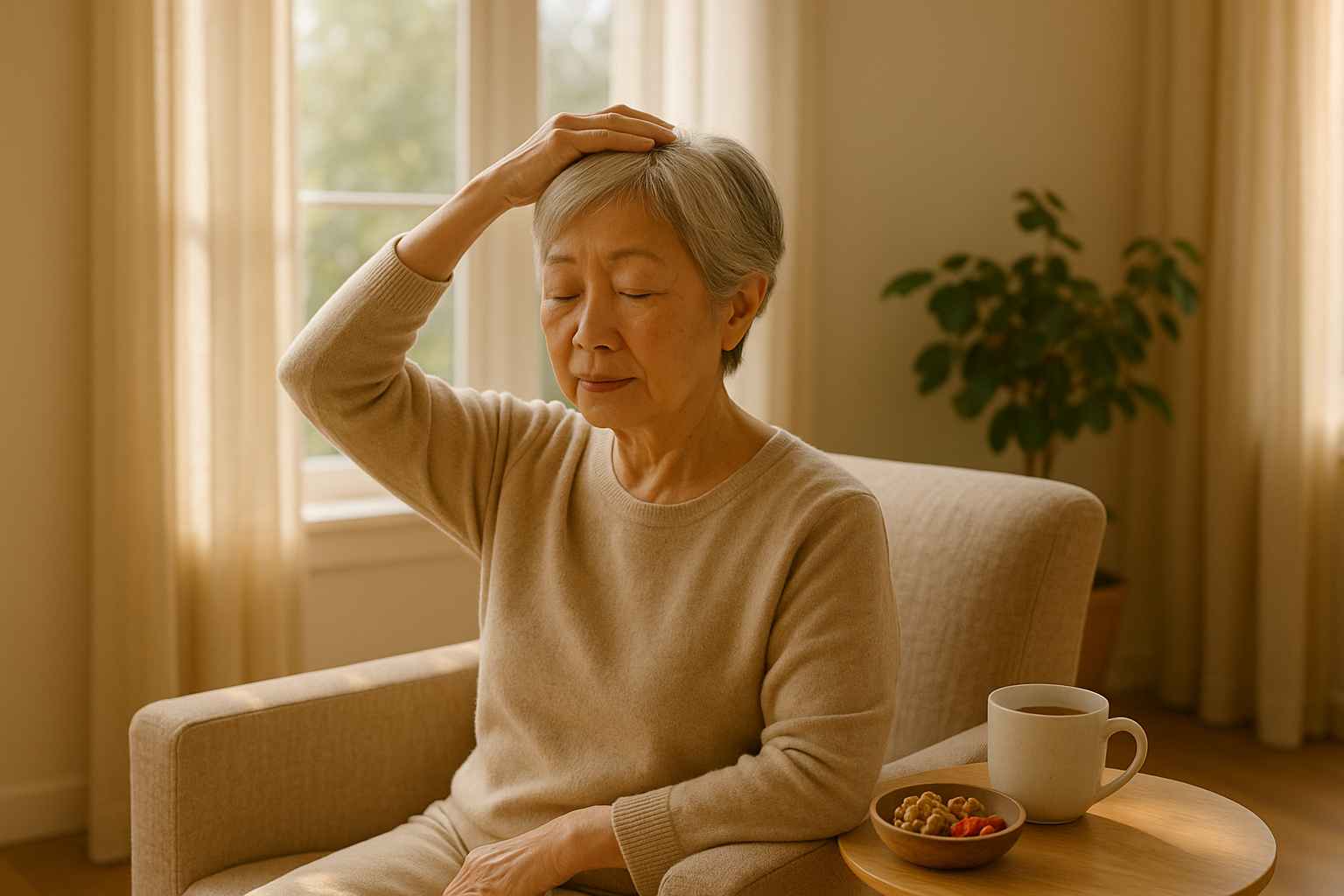
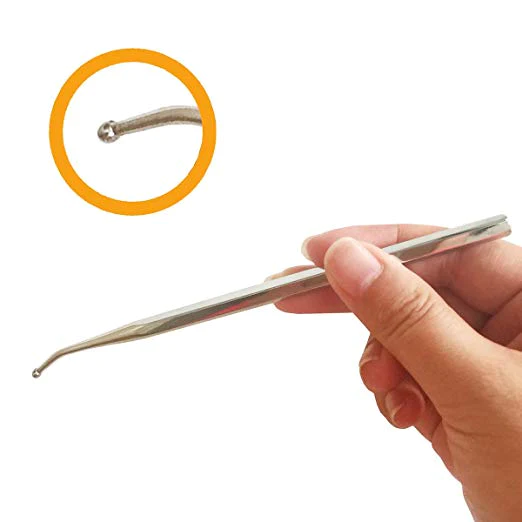
Acupressure can be a great “bridge tool”—it gives your hands something to do while your nervous system shifts.
Try gentle, steady pressure for 30–60 seconds per point, breathing slowly. Aim for “comfortably firm,” not painful.
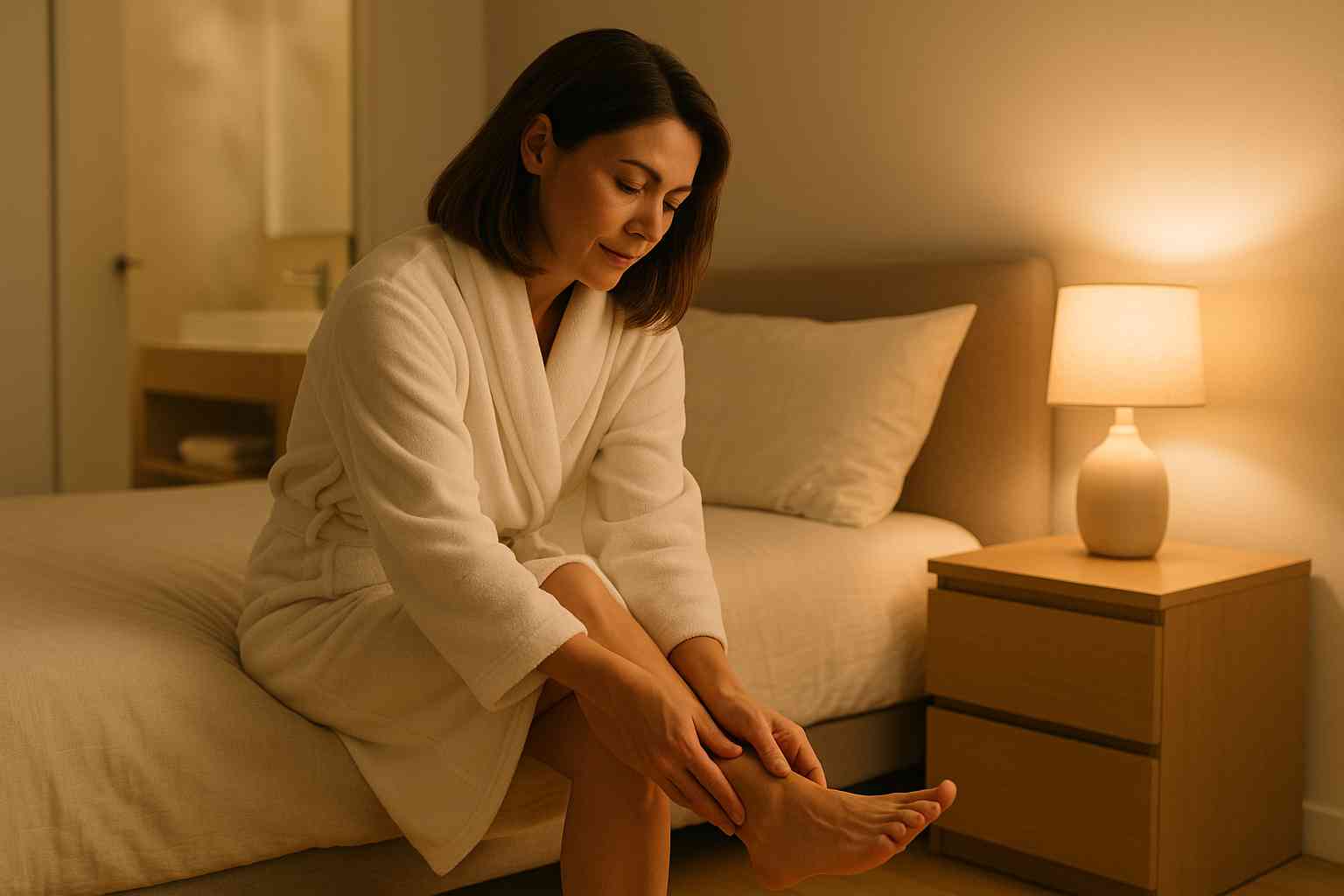
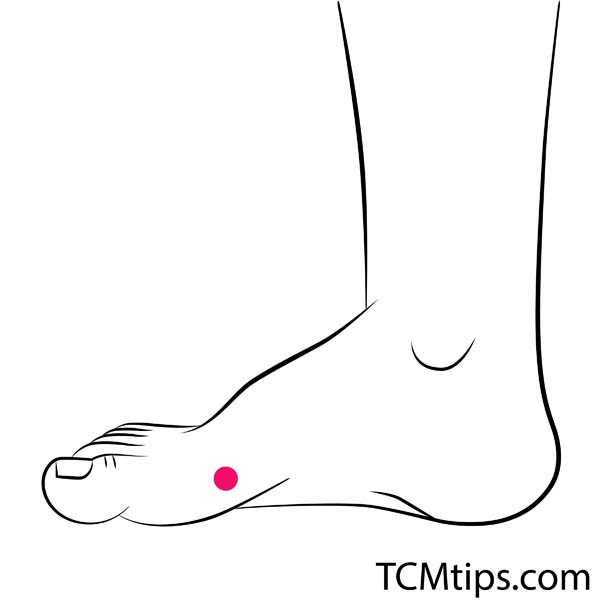
- SP3 (Taibai): supports Spleen Qi and helps ground cravings
- SP6 (Sanyinjiao): nourishes Yin and relaxes that wired-but-tired feeling
- Liv-13 (Zhangmen): harmonizes Liver and Spleen, often helpful when cravings come with irritability or emotional overload
A simple routine: SP6 (calm) → Liv-13 (release tension) → SP3 (steady the center).
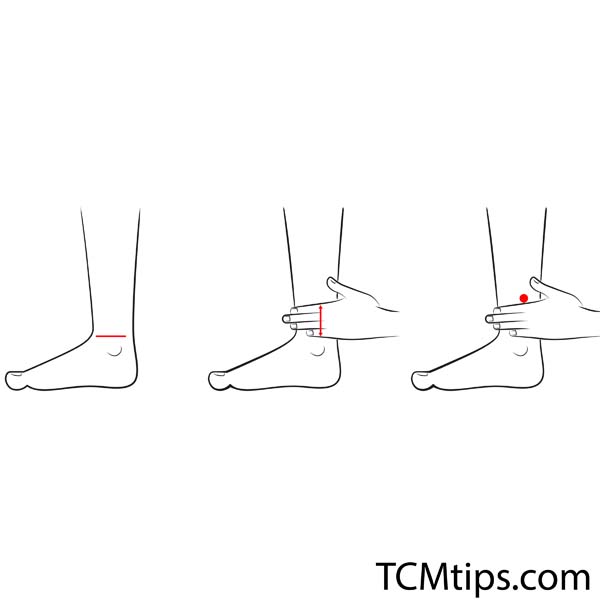
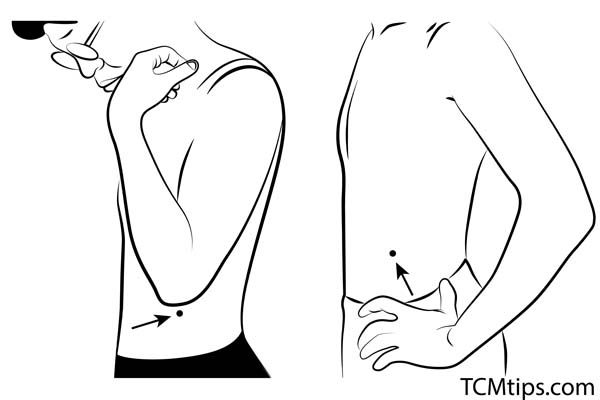
Try a gentle evening tea that feels like a soft landing
If your nights feel snacky partly because you want comfort, a warm tea ritual can satisfy that need without kicking off a sugar roller coaster.
Ms. Mai suggests a beginner-friendly blend built for digestion + calm:
- ginger
- cinnamon
- basil or tulsi
- jujube (red dates)
- bai zhu (atractylodes)
- licorice root
You don’t need every herb to start. A very approachable version is ginger + cinnamon + red dates as a warm, naturally sweet-feeling tea. The point is the ritual: warmth, scent, and a clear “we’re winding down” signal for your body.
Putting it together: a realistic nighttime sweet-craving routine
If you want one simple plan to try this week, here’s a no-drama flow:
- Drink a mug of warm tea or warm water
- Do 10 slow breaths (the craving pause)
- Press SP6 + SP3 for 1 minute each
- If still hungry, choose a steady-sweet snack (sweet potato, yogurt + honey, nuts + dates)
- Keep lights low and screens minimal for the last 15–30 minutes
You’re not forcing yourself to “be good.” You’re giving your body what it was asking for—steady fuel and a calmer landing.
A calmer relationship with sweets is the real win
Late-night cravings don’t mean something is wrong with you. Often, they’re a predictable response to modern life: long days, irregular meals, constant thinking, and a nervous system that doesn’t get a clean off-switch.
TCM offers a practical reframe: instead of fighting the craving, support the underlying pattern—your digestion (Spleen Qi), your ability to unwind (Yin), and your daily rhythm. With a few small swaps and a consistent evening reset, many people find that cravings become quieter, less urgent, and easier to satisfy in gentle ways.
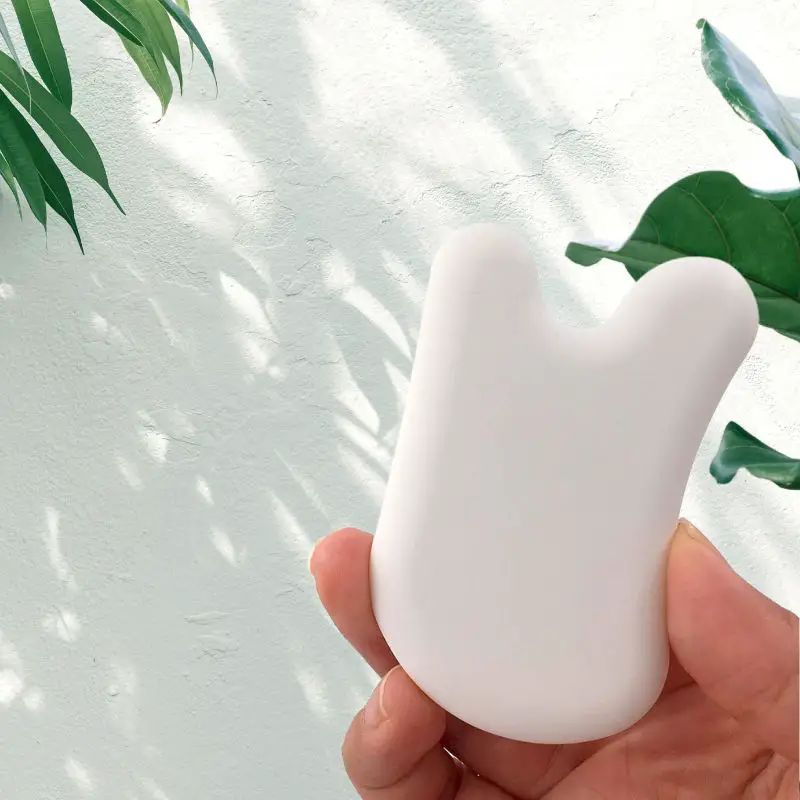
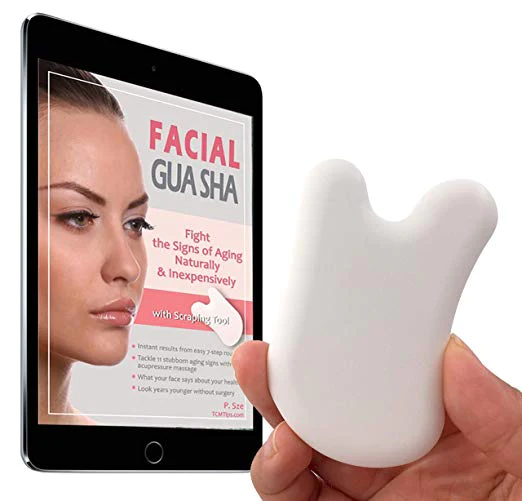
Try our Anti-Aging Gua Sha Tool designed to bring out your skin’s natural glow.
Best Gua Sha Product- Anti-Aging: The tool is designed to target 11 specific aging signs such as wrinkles and sagging skin. By following the 7-step routine, users can improve skin firmness and reduce fine lines naturally.
- Enhances Skincare Routine: It works effectively with serums and lotions, boosting absorption and efficacy of skincare products.
- Visible Skin Improvement: Users can expect a smoother complexion, reduced puffiness, and a more youthful appearance.