 P. Sze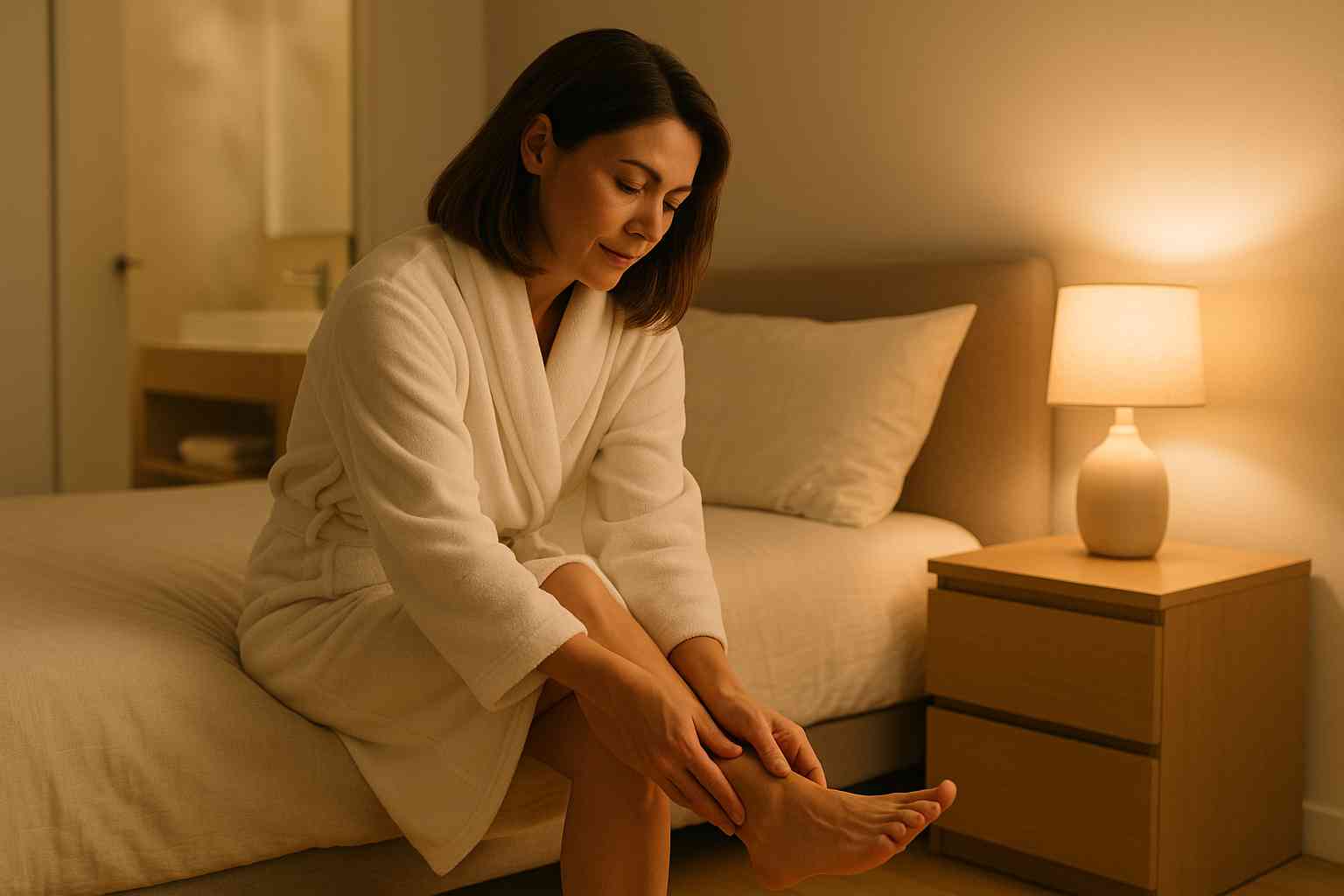
Why You Wake Up Exhausted (And How a Simple Nighttime TCM Ritual Can Help)
Waking up tired despite a full night of sleep feels incredibly frustrating, especially when you have a demanding workday ahead. Many stressed professionals assume the issue is simply “not sleeping enough,” but Traditional Chinese Medicine (TCM) offers a different explanation. According to TCM, your body follows an internal clock, and when that clock is disrupted, your sleep may not restore you—even if you’re in bed for seven or eight hours.
If you regularly feel groggy, unfocused, or heavy in the morning, you are not alone. For many desk-bound professionals who stay mentally “on” late into the evening, exhausted mornings are a sign that the body didn’t get the chance to shift into deep repair mode during the night. Fortunately, a few simple nighttime habits can help your system reset and support more nourishing sleep.
The TCM Reason You Wake Up Tired
In TCM, waking up exhausted is often linked to either low energy (Qi deficiency) or Qi that isn’t flowing smoothly. When your Qi can’t move or replenish properly at night, your sleep becomes lighter and less restorative.
As Ms. Mai explains:
“The root cause is often a deficiency of Qi or stagnation of its flow.”
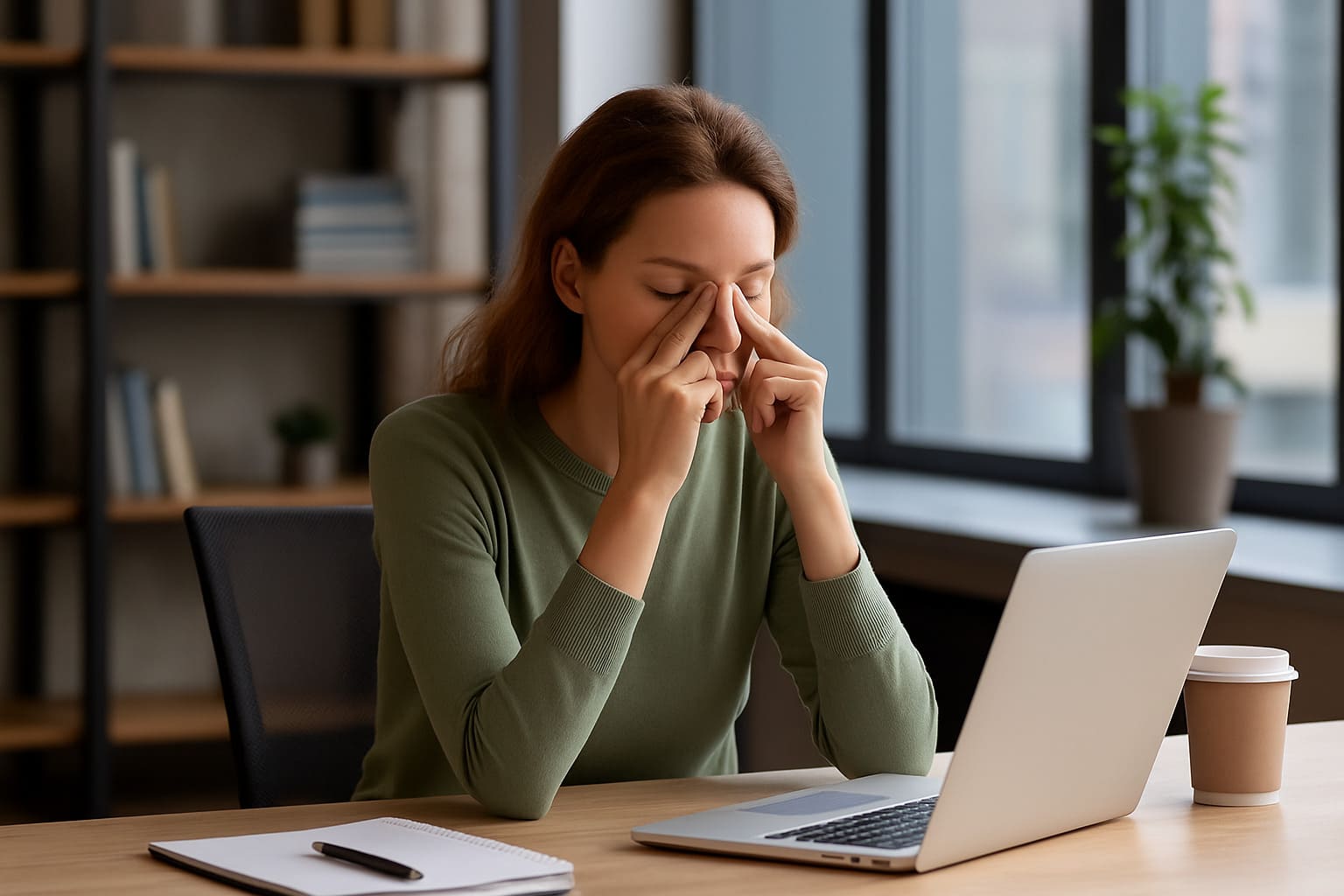
This means you can technically be asleep but not truly recovering. When stress piles up, your mind stays active long after you leave your desk, and your system doesn’t fully switch into rest mode.
Why the Liver–Gallbladder Clock Matters Overnight
TCM teaches that each organ system has a two-hour window when it performs its peak internal “maintenance.” Between 11 p.m. and 3 a.m., the Liver and Gallbladder are most active. This is the time the body wants to process emotions, support circulation, and reset from the day.
When you’re stressed, working late, or scrolling in bed, your mind stays stimulated. This can disturb the Liver–Gallbladder window, making it harder to fall asleep or causing you to wake up during these hours.
Ms. Mai explains:
“For people under high stress whose sleep is affected, it’s likely that they cannot fall asleep during the Liver–Gallbladder time, or they may fall asleep but wake up during that period.”
Even small lifestyle choices can either support or disrupt this natural cycle. Eating dinner late, using your phone in bed, or staying mentally active near bedtime can all make it harder for your body to enter its restorative phase.
Common Signs Your Body Clock Is Out of Sync
You may notice patterns such as:
- Waking up tired despite a full night in bed
- Waking between 1–3 a.m. or 3–5 a.m.
- Feeling wired at night but sluggish in the morning
- Brain fog or tension in the neck, shoulders, or jaw upon waking
- Reliance on caffeine or sugar to jump-start the day
These are indicators that your nighttime rhythm needs support and that your body isn’t entering deep rest.
What Midnight Wake-Ups Mean in TCM
Waking between 1–3 a.m. is commonly linked to the Liver, and waking between 3–5 a.m. relates more to the Lung. But for stressed professionals, the Liver connection is especially common.
According to Ms. Mai:
“This may indicate weakened Liver or Gallbladder function. The Liver is closely related to the eyes, so giving your eyes some rest can help.”
Small adjustments like reducing screen time in the evening, warming your eyes, or allowing your gaze to soften can help calm the Liver system. Liver-supportive foods in the evening, such as leafy greens or a bit of citrus, add another layer of gentle support.
A Simple Nighttime TCM Ritual to Wake Up Refreshed
You don’t need an elaborate nighttime routine to improve your mornings. A few minutes of intentional, calming activities before bed can help your body settle into the restorative phase it needs.
Warm the Body
Warming encourages circulation and helps your nervous system shift from “alert” to “relaxed.” A warm bath or shower works well, but even a quick foot soak in warm water can be helpful.
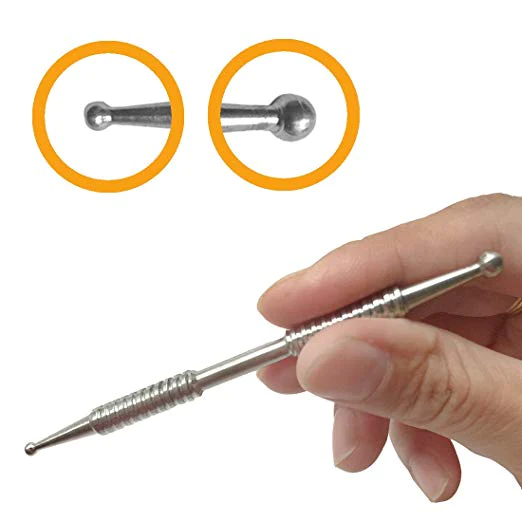
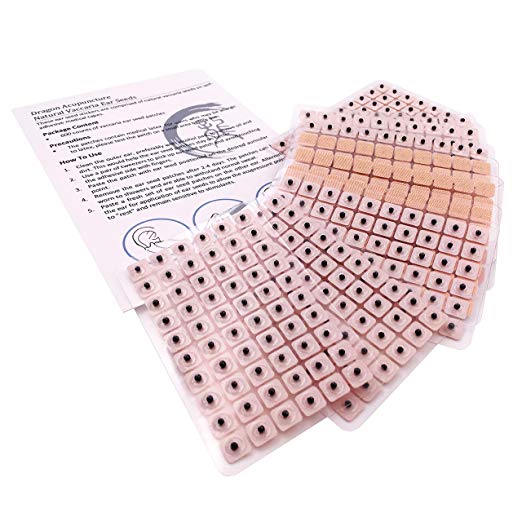
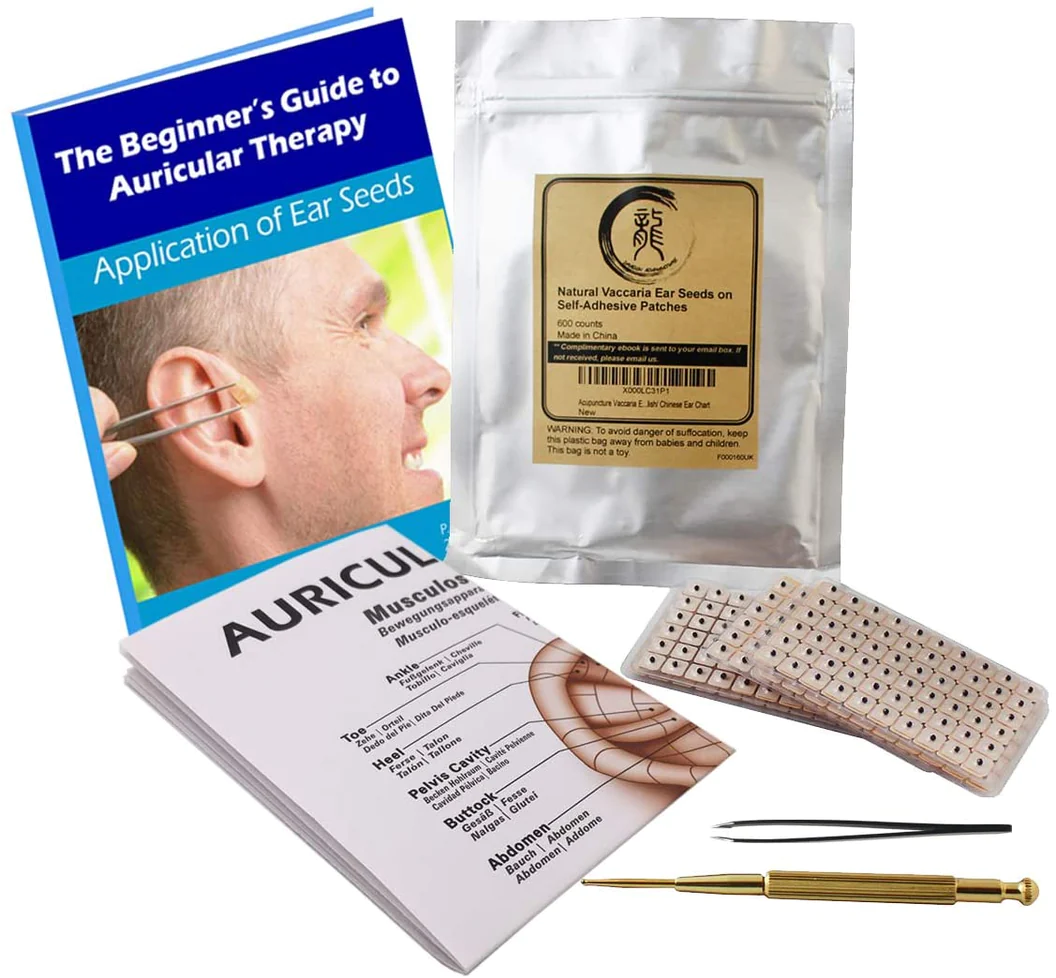
Ms. Mai notes that after warming the body, stretching and massaging the feet or ears can activate relaxation and improve circulation.
Light Stretching to Unwind
For people who sit all day, gentle movement in the evening can counteract stagnation and help the body feel settled. Practices inspired by Ba Duan Jin (Eight Brocades) are particularly helpful. You don’t have to learn the entire set of movements to feel the benefits. Slow, flowing motions and relaxed breathing can ease tension and support better sleep.
Stretching your lower body is especially helpful if you spend long hours at a desk.
An Acupressure Point to Calm the Mind
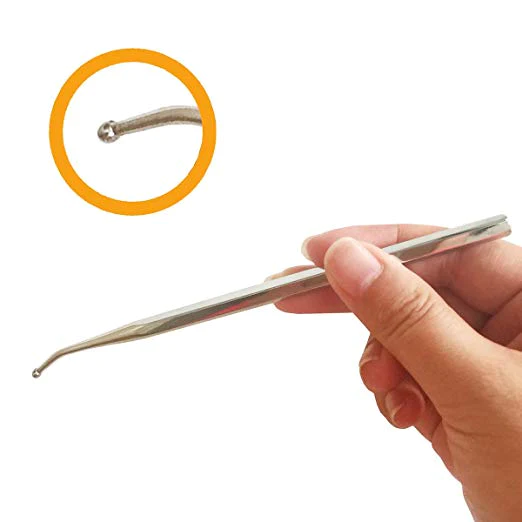
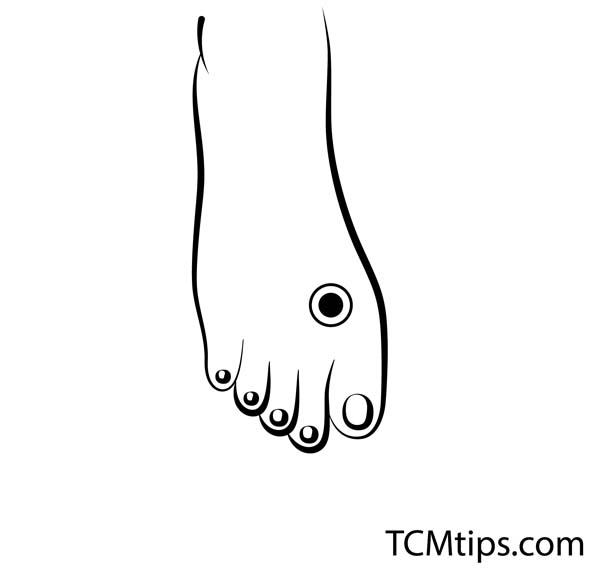
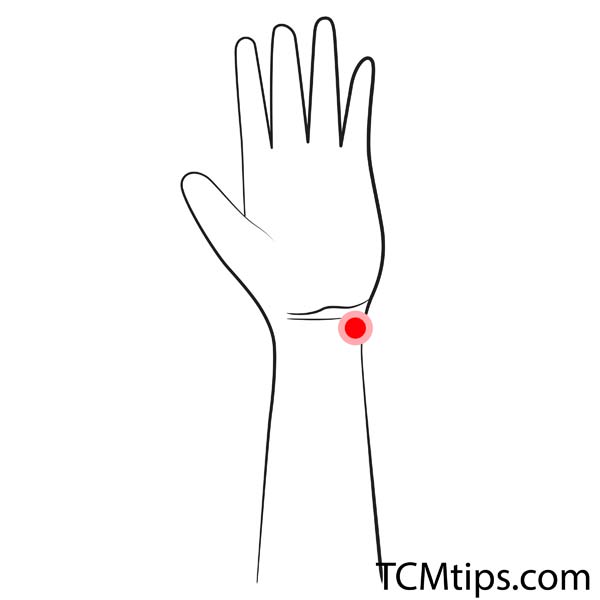
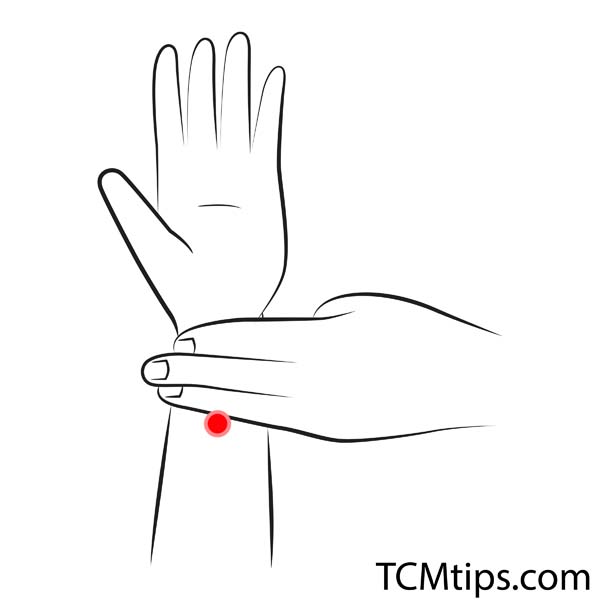
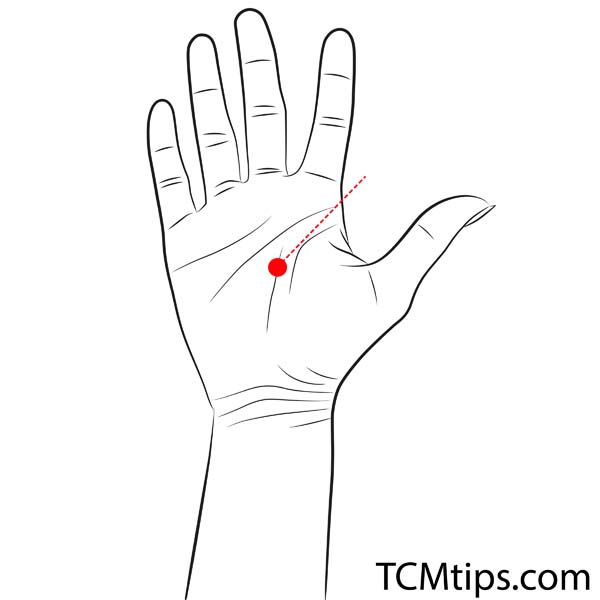
When you feel mentally overloaded, acupressure can help redirect your attention back into your body. Ms. Mai recommends points such as Tai Chong (Liv-3), Shen Men (HT7), Nei Guan (PC6), and Lao Gong (PC8).
A simple way to use them before bed is to press gently on each point for two to three seconds and repeat three times. This helps release tension from overthinking and screen-related stress.
Evening Food Choices That Support Better Sleep
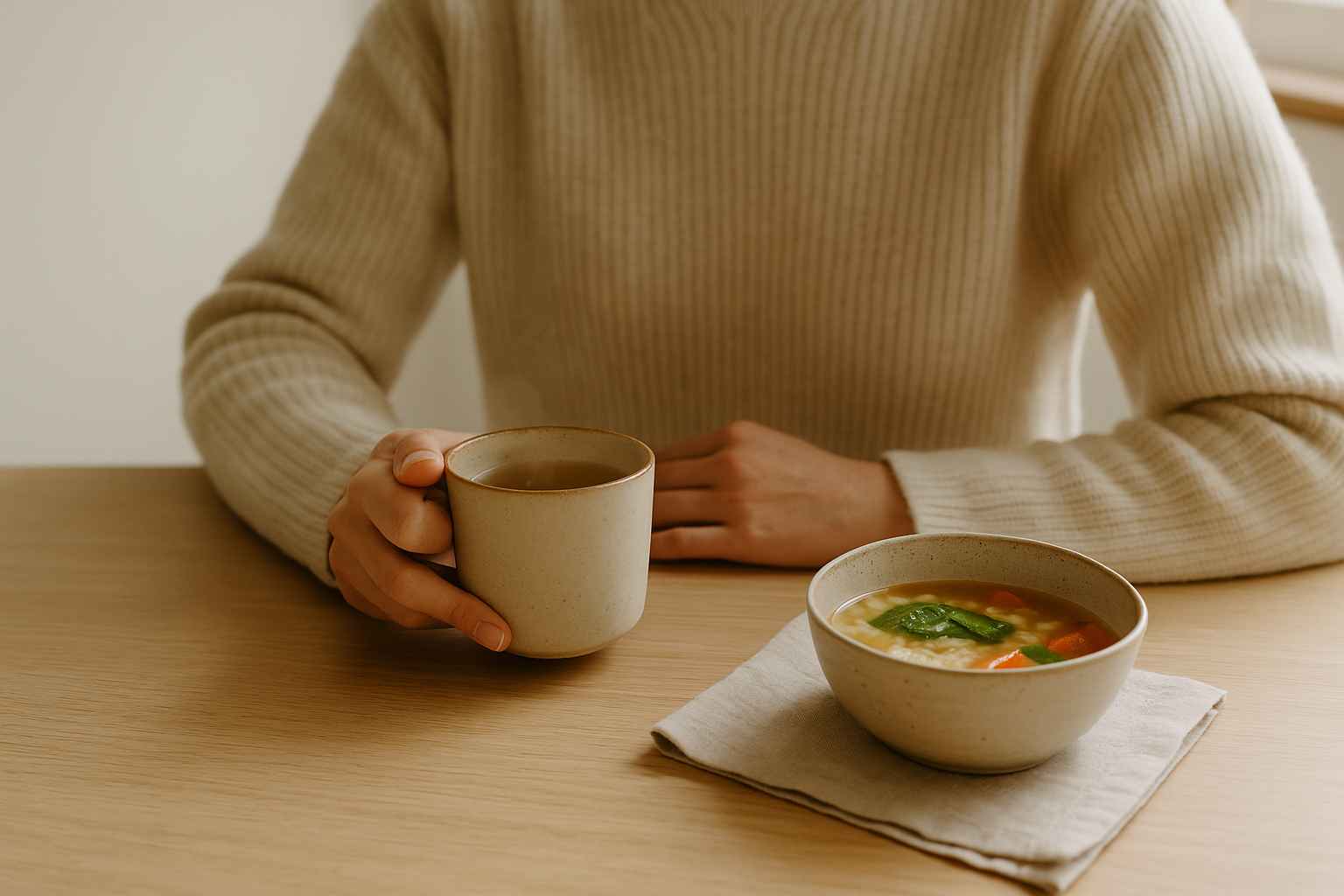
If you often wake up groggy, a lighter, warm dinner can make a noticeable difference. Meals that are easy to digest—especially soup-based dishes—allow your body to focus on repair instead of working hard on digestion overnight.
Foods that gently support the Liver system, like garlic chives, spinach, and small amounts of citrus, can help maintain smoother energy flow.
Aim to finish dinner by around 7 p.m. so your digestive system has time to settle before sleep.
What You Can Start Tonight
If you’re already exhausted, begin with just one or two easy steps:
- Switch from evening screen time to a few minutes of reading in dim light
- Take a warm shower and follow it with a quick foot or ear massage
- Press a calming acupressure point before getting into bed
- Replace late-night snacking with a light, warm dinner
Once you feel a small shift, you can add in more: gentle stretching, an earlier digital cutoff time, or a consistent warm soak a few nights a week.
Over time, these habits help restore your natural rhythm so you can wake up clearheaded, grounded, and ready for the day ahead.
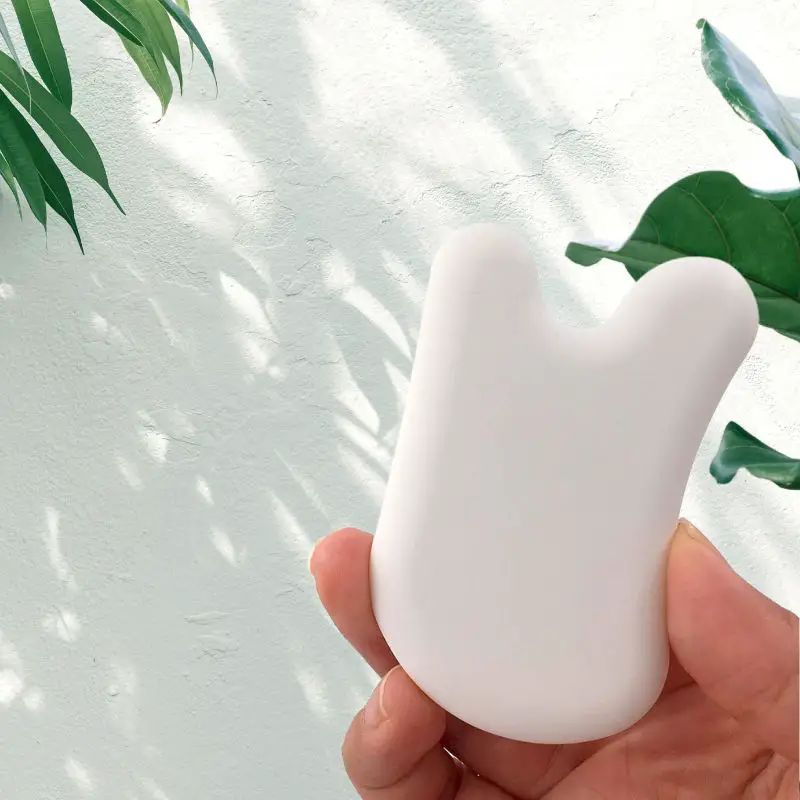
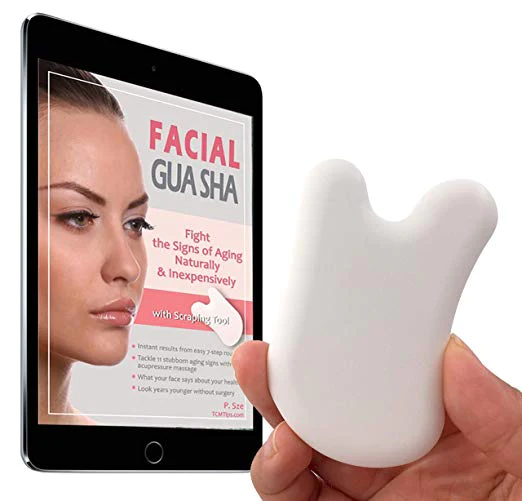
Try our Anti-Aging Gua Sha Tool designed to bring out your skin’s natural glow.
Best Gua Sha Product- Anti-Aging: The tool is designed to target 11 specific aging signs such as wrinkles and sagging skin. By following the 7-step routine, users can improve skin firmness and reduce fine lines naturally.
- Enhances Skincare Routine: It works effectively with serums and lotions, boosting absorption and efficacy of skincare products.
- Visible Skin Improvement: Users can expect a smoother complexion, reduced puffiness, and a more youthful appearance.