 P. Sze
8 Strength-Training Secrets to Slow Aging and Boost Metabolism
Between work deadlines, family responsibilities, and trying to carve out time for yourself, it’s common to feel like your energy isn’t what it used to be. Many women in their 30s, 40s, and 50s notice stubborn weight gain, slower metabolism, and longer recovery times — even when they’re trying to stay active. Growing scientific evidence shows that one habit can powerfully counter these changes: strength training. Large-scale research, including findings published in the British Journal of Sports Medicine (https://doi.org/10.1136/bmjsem-2024-001899), links resistance exercise to slower biological aging, improved metabolism, and lower disease risk.
Why Strength Training Becomes Essential After 30
After age 30, adults lose approximately 3–8% of muscle mass per decade, a process known as sarcopenia. For women, this decline often accelerates during midlife due to hormonal shifts. Reduced muscle mass leads to a slower resting metabolism, decreased strength, poorer balance, and higher injury risk. Strength training directly addresses these changes by preserving lean muscle, improving insulin sensitivity, and supporting everyday functional movement.
8 Science-Backed Strength-Training Benefits for Anti-Aging
Extensive research highlights multiple ways resistance training supports healthy aging:
- Slows muscle loss: Regular strength training significantly reduces age-related muscle decline and helps maintain independence.
- Boosts metabolism: Muscle tissue burns more calories at rest than fat. Studies suggest resistance training can increase resting metabolic rate by up to 7%.
- Supports bone density: Weight-bearing exercise helps maintain or improve bone mineral density, reducing fracture risk.
- Improves blood sugar regulation: Strength training enhances insulin sensitivity and lowers the risk of type 2 diabetes.
- Supports cardiovascular health: Resistance exercise is associated with lower blood pressure and improved cholesterol levels.
- Enhances brain function: Studies link strength training to improved memory, attention, and executive function.
- Reduces chronic inflammation: Lower systemic inflammation is associated with slower biological aging.
- Improves daily energy and function: Consistent training improves posture, stamina, and confidence in everyday movement.
How the Research Was Conducted
The research cited analyzed data from tens of thousands of adults over extended periods. Participants were grouped based on their engagement in strength training, which included free weights, resistance bands, and bodyweight exercises. Researchers tracked outcomes such as mortality risk, metabolic health markers, cardiovascular indicators, and physical function. This large-scale, observational approach allowed scientists to assess how resistance training influences long-term health and aging in real-world settings.
How Much Strength Training Is Enough?
One of the most encouraging findings is that benefits do not require extreme routines. Most experts recommend two to three strength-training sessions per week, lasting 20–45 minutes. Even moderate, consistent routines can lead to measurable improvements in strength, metabolism, and energy within a few months. Sustainability and proper form matter more than intensity.
TCM Perspective: Acupressure to Support Energy, Recovery, and Longevity
From a Traditional Chinese Medicine perspective, strength and healthy aging depend on strong foundational energy (Qi) and balanced Kidney and Stomach systems. While strength training builds external strength, acupressure supports internal energy flow, circulation, and recovery. For additional techniques, our guide on pressure points to increase energy naturally offers practical methods that complement an active lifestyle.
Acupoint: ST 36 (Stomach 36 / Zu San Li / Leg Three Miles)
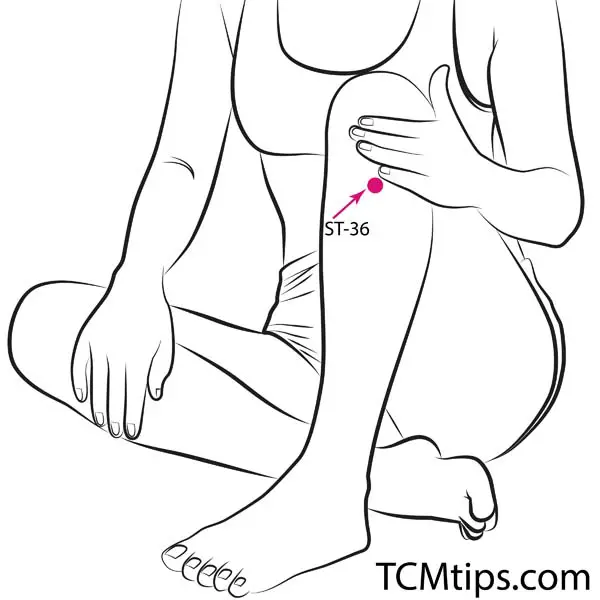
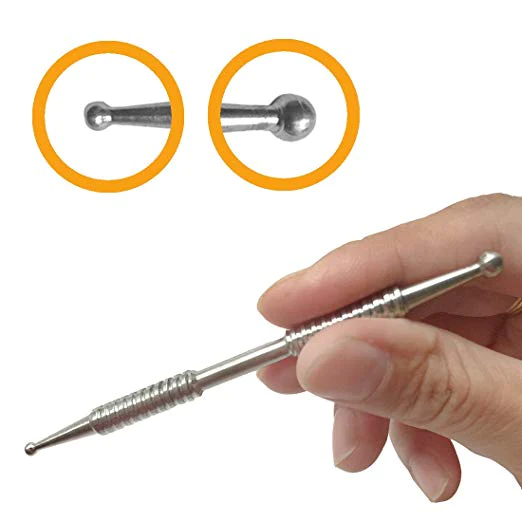
Location: Four finger-widths below the kneecap, one finger-width outside the shin bone. How to use: Apply firm pressure or slow circular motions for 1–2 minutes on each leg.
ST 36 is widely used in TCM to build overall strength and stamina. It supports digestion and nutrient absorption, both essential for muscle repair and sustained energy. This point is often recommended for fatigue, weakness, and low immunity.
Acupoint: BL 10 (Urinary Bladder 10 / Tian Zhu / Celestial Pillar)
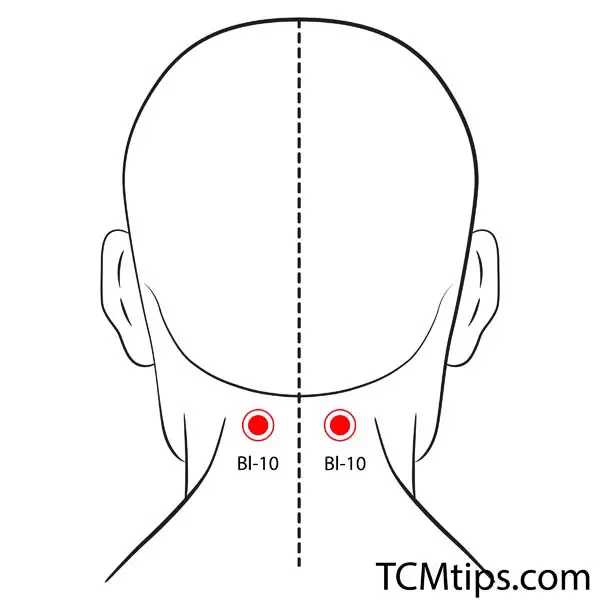
Location: At the base of the skull, approximately half an inch from the spine on both sides. How to use: Press gently upward with your thumbs for 60–90 seconds while breathing deeply.
BL 10 helps relieve neck and upper-back tension, common in women with desk-based work and high stress. Stimulating this point supports circulation to the head, promotes mental clarity, and aids post-workout recovery.
Acupoint: KI 1 (Kidney 1 / Yong Quan / Gushing Spring)
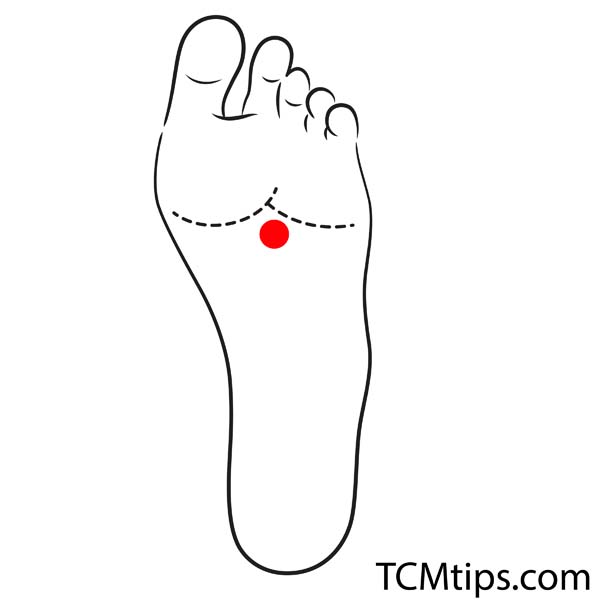
Location: On the sole of the foot, in the depression just below the ball of the foot. How to use: Apply firm pressure for 1–2 minutes on each foot, preferably in the evening.
KI 1 is a deeply grounding point. In TCM theory, the Kidneys govern aging, vitality, and long-term strength. This point is especially helpful for women who feel depleted or overstimulated despite regular exercise.
Final Takeaway
Strength training is one of the most effective, research-supported strategies to slow aging and boost metabolism — particularly for women navigating the demands of midlife. When paired with simple TCM acupressure practices, it becomes a sustainable, holistic approach to maintaining strength, energy, and resilience for years to come.
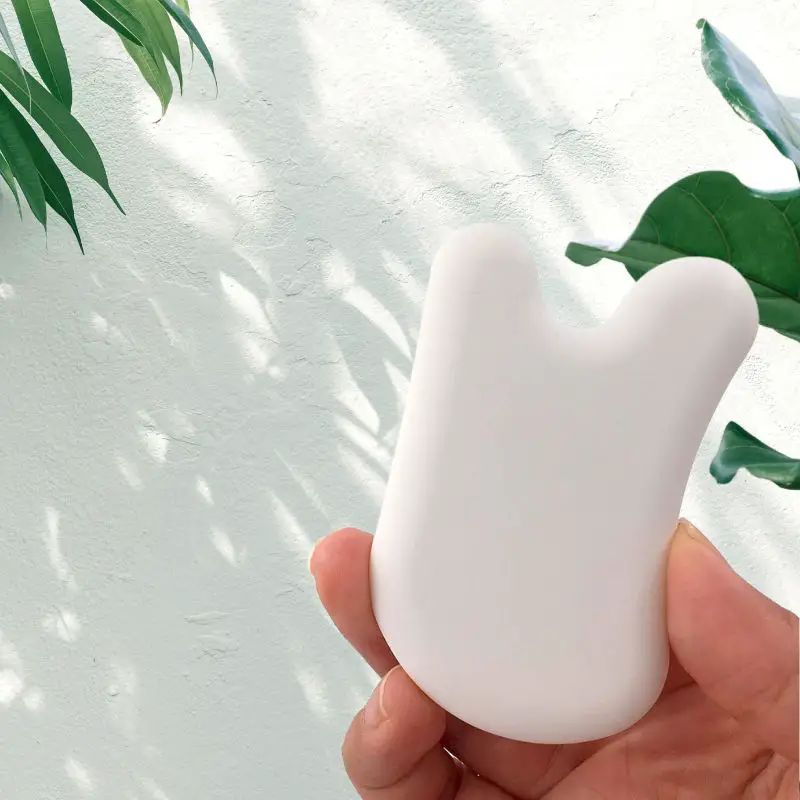
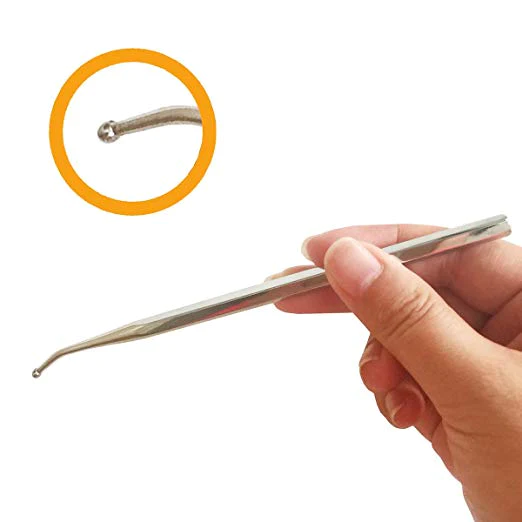
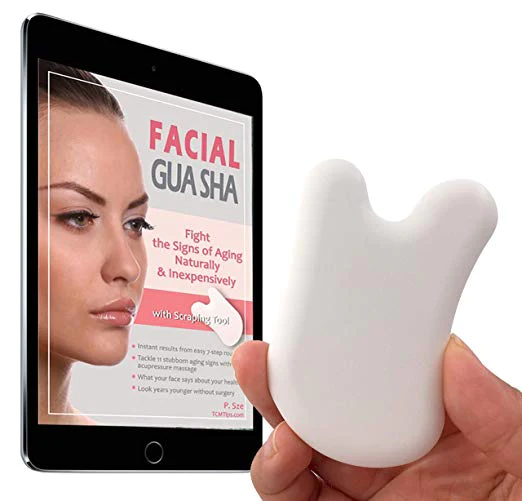
Try our Anti-Aging Gua Sha Tool designed to bring out your skin’s natural glow.
Best Gua Sha Product- Anti-Aging: The tool is designed to target 11 specific aging signs such as wrinkles and sagging skin. By following the 7-step routine, users can improve skin firmness and reduce fine lines naturally.
- Enhances Skincare Routine: It works effectively with serums and lotions, boosting absorption and efficacy of skincare products.
- Visible Skin Improvement: Users can expect a smoother complexion, reduced puffiness, and a more youthful appearance.