 P. Sze
The Silent Sodium Trap: How Everyday Foods May Be Undermining Your Heart Health
High blood pressure often develops quietly, shaped by everyday routines rather than dramatic lifestyle choices. Busy mornings, quick lunches, and convenient dinners can slowly add stress to the heart without obvious warning signs. One of the biggest contributors is excess sodium, much of which comes from common packaged and restaurant foods rather than salt added at home. Public health data shows that more than 70% of sodium in the average American diet comes from processed, prepared, and restaurant foods. This is why understanding hidden sodium is essential for protecting long-term heart health. For an overview of the science behind sodium reduction and blood pressure, visit here.
For women between 30 and 50, balancing work, family, and personal well-being, these daily habits can gradually increase cardiovascular strain while remaining largely unnoticed.
Why High Blood Pressure Is a Hidden Risk for Longevity
High blood pressure, also known as hypertension, affects nearly half of adults in the United States. Even slightly elevated readings can damage blood vessels over time, increasing the risk of heart disease, stroke, and kidney problems. Because hypertension often causes no immediate symptoms, many people are unaware that their heart is working harder than it should.
From a long-term perspective, preventing blood pressure from creeping upward is far more effective than trying to reverse damage later. Small, consistent changes in diet and lifestyle can significantly reduce risk.
Five Everyday Foods That Quietly Raise Blood Pressure
Many foods that contribute to high blood pressure do not taste especially salty, making them easy to overlook. These five categories are among the biggest contributors:
1. Processed and Packaged Foods
Frozen meals, deli meats, canned soups, and snack foods are major sources of sodium. A single frozen entrée can contain between 800 and 1,200 milligrams of sodium, more than half of the recommended daily limit.
2. Restaurant and Takeout Meals
Meals eaten outside the home often contain 1,500 to 2,300 milligrams of sodium in one serving. Large portion sizes and heavy seasoning make restaurant meals one of the fastest ways to exceed daily sodium recommendations.
3. Sauces, Dressings, and Condiments
Soy sauce, salad dressings, marinades, and bottled sauces are highly concentrated sources of sodium. Just one tablespoon of soy sauce can contain close to 1,000 milligrams.
4. Sugary Foods and Sweetened Drinks
While sugar does not taste salty, high sugar intake has been linked to increased blood pressure. Research shows diets high in added sugars can raise systolic blood pressure by several points, placing additional strain on the heart.
5. Bread and Baked Goods
Bread is consumed frequently, which makes it one of the top contributors to sodium intake overall. One slice can contain 150 to 200 milligrams, adding up quickly across meals and snacks.
How These Findings Are Supported by Research
Research on sodium and blood pressure is based on large-scale dietary surveys and long-term population studies. Instead of focusing on single foods, researchers examine overall eating patterns and their impact on cardiovascular outcomes over time.
This approach shows that it is the cumulative effect of daily choices—not occasional indulgences—that matters most for heart health. Consistently high sodium intake leads to fluid retention, increased blood volume, and greater pressure on blood vessel walls.
A Traditional Chinese Medicine Perspective on Heart Health
In Traditional Chinese Medicine, the Heart is responsible for both circulation and emotional balance. Ongoing stress, irregular eating habits, and overconsumption of rich or processed foods can disrupt this system, creating internal tension that mirrors modern concepts of cardiovascular strain.
TCM emphasizes prevention and daily self-care. Alongside mindful eating, acupressure is often used as a simple, non-invasive way to support relaxation and healthy circulation.
Three Heart Meridian Acupressure Points to Support Heart Health
Acupressure along the Heart meridian is traditionally used to calm the nervous system and support balanced circulation. Practiced regularly, it can complement dietary and lifestyle changes aimed at protecting the heart. If you’d like to explore this approach in more depth, this comprehensive guide to acupressure for heart health explains how Heart meridian points are traditionally used to support circulation, emotional balance, and long-term cardiovascular wellness.
Heart 3 (HT-3, Shao Hai)
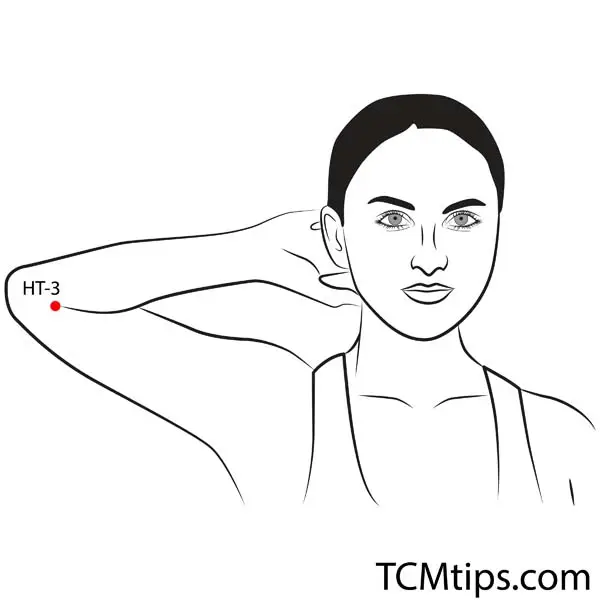
Location: At the inner end of the elbow crease, on the side closest to the body. Traditional use: HT-3 is commonly used to clear internal heat and ease agitation. It is often recommended when emotional stress or restlessness contributes to cardiovascular tension.
Heart 6 (HT-6, Yin Xi)
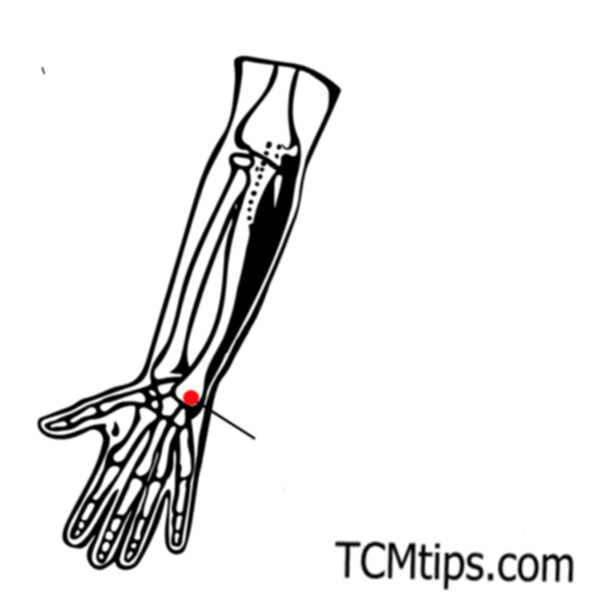
Location: On the inner forearm, about one finger-width above the wrist crease, in line with the little finger. Traditional use: HT-6 is known for its calming effect on the Heart system. It is frequently used for anxiety, palpitations, and sleep disturbances related to stress.
Heart 9 (HT-9, Shao Chong)
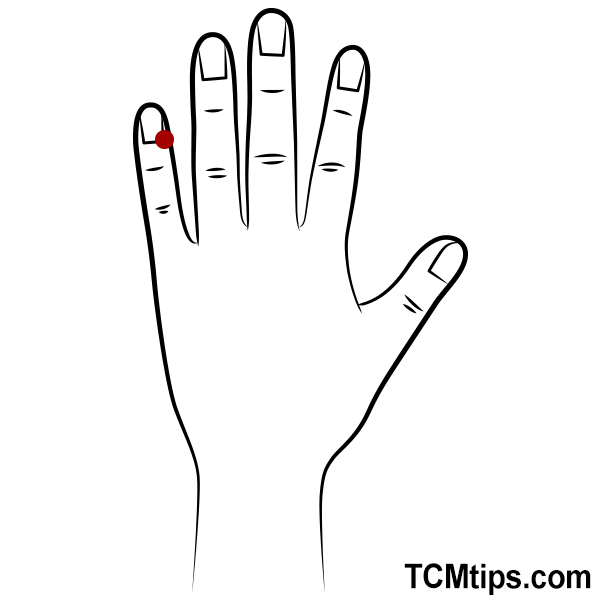
Location: At the inner corner of the little fingernail, closest to the thumb. Traditional use: HT-9 is traditionally used to release excess heat and restore balance during moments of acute emotional or mental strain.
Apply gentle, steady pressure to each point for one to two minutes while breathing slowly and deeply. Regular practice is more effective than strong pressure.
Small Daily Choices That Protect the Heart
Supporting heart health does not require extreme changes. Reading food labels, limiting ultra-processed foods, cooking more meals at home, and incorporating calming practices like acupressure can collectively reduce cardiovascular strain.
By becoming more aware of what you eat and how you care for your body each day, you build a foundation for long-term heart health, resilience, and longevity.
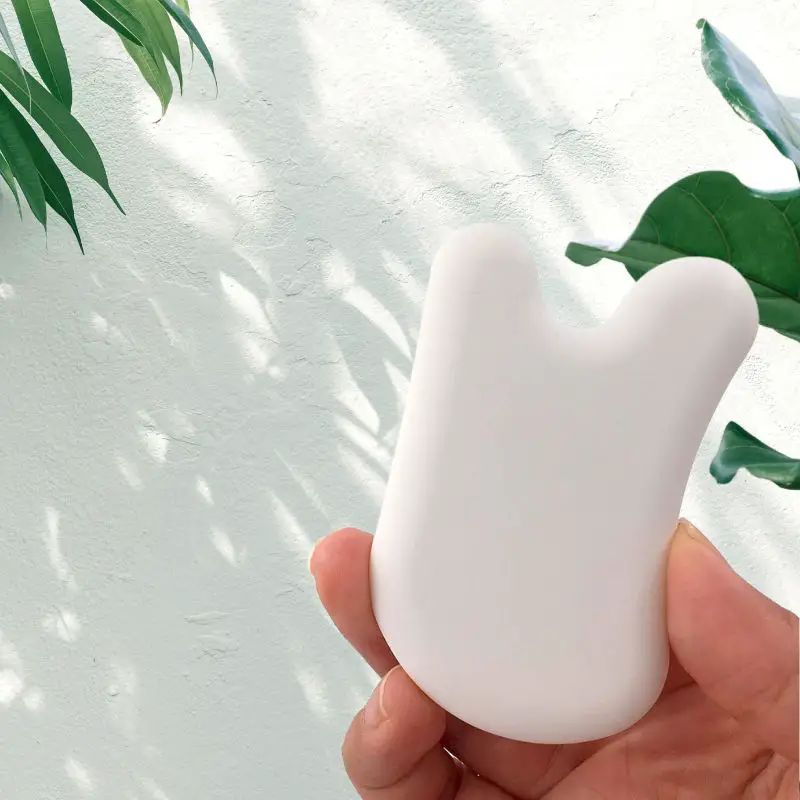
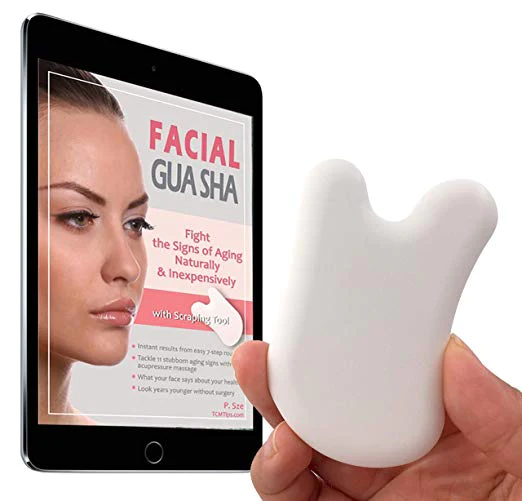
Try our Anti-Aging Gua Sha Tool designed to bring out your skin’s natural glow.
Best Gua Sha Product- Anti-Aging: The tool is designed to target 11 specific aging signs such as wrinkles and sagging skin. By following the 7-step routine, users can improve skin firmness and reduce fine lines naturally.
- Enhances Skincare Routine: It works effectively with serums and lotions, boosting absorption and efficacy of skincare products.
- Visible Skin Improvement: Users can expect a smoother complexion, reduced puffiness, and a more youthful appearance.