 P. Sze
Eat for Digestion, Not Supplements: How Fiber-Rich Foods and Pressure Points Support a Healthier Gut
For many women in their 30s and 40s, digestive discomfort has quietly become part of daily life. Bloating after meals, irregular bowel movements, and that heavy feeling in the gut are often brushed off as “normal.” To cope, fiber supplements seem like an easy solution. But growing evidence suggests that real, whole foods—not pills—are far more effective for long-term gut health. Research summarized in this lifestyle medicine review shows that dietary fiber from natural foods supports digestion, metabolic health, and the gut microbiome in ways isolated supplements cannot.
Why Fiber From Whole Foods Is More Powerful Than Supplements
Fiber is essential for digestive health, yet most Americans fall short. Women are advised to consume about 25 grams of fiber per day, but national surveys show the average intake is closer to 14–15 grams. Fiber supplements may help increase numbers on paper, but they usually contain only one type of fiber and lack the complex nutrients found in whole foods.
Whole foods provide a combination of soluble fiber, insoluble fiber, resistant starch, vitamins, minerals, and plant compounds. Together, these elements feed beneficial gut bacteria, help regulate blood sugar, and support smoother digestion. This is why nutrition experts increasingly recommend eating fiber-rich foods instead of relying on supplements.
Detailed Summary: 10 Fiber-Rich Foods That Beat Supplements
The Health.com article focuses on 10 foods that naturally deliver fiber while offering additional digestive and metabolic benefits. These foods are easy to incorporate into everyday meals and snacks.
Here’s a listicle-style breakdown of the foods highlighted:
- Chia seeds – About 10 grams of fiber in just 2 tablespoons
- Lentils – Roughly 15 grams of fiber per cooked cup
- Black beans – Around 15 grams per cup
- Avocado – Approximately 10 grams per medium fruit
- Raspberries – About 8 grams per cup
- Edamame – Close to 8 grams per cup
- Oatmeal – Around 4 grams per cooked cup
- Sweet potatoes – About 4 grams per medium potato (with skin)
- Almonds – Roughly 3.5 grams per ounce
- Pistachios – Nearly 3 grams per ounce
The article notes that people who rely on food-based fiber often experience less bloating and gas compared to those using supplements. Whole foods slow digestion naturally and allow the gut time to adjust, reducing discomfort.
How the Recommendations Were Formed: Methodology Explained
Rather than citing a single experiment, the article draws from registered dietitian input, USDA nutritional databases, and large observational studies on fiber intake. These studies consistently link higher dietary fiber consumption with lower rates of constipation, heart disease, obesity, and type 2 diabetes. The conclusions emphasize practical, food-first strategies over isolated supplementation, especially for digestive health.
TCM Digestive Wisdom: 3 Acupressure Points to Support Fiber Digestion
From a Traditional Chinese Medicine perspective, increasing fiber intake works best when the digestive system is supported at the same time. When digestive energy is weak, even healthy foods can cause bloating or sluggishness. Acupressure offers a simple, hands-on way to encourage smoother digestion.
Ren 12 (Zhong Wan / Middle Epigastrium)
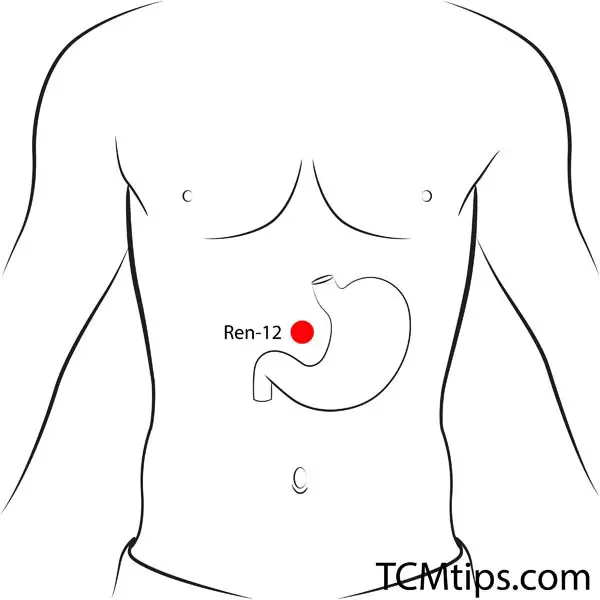
- Location: On the midline of the abdomen, halfway between the belly button and the base of the sternum
- Function: Regulates stomach function and relieves fullness
- How it helps: Ren 12 is commonly used for bloating, slow digestion, and discomfort after meals, especially when eating more fiber
- How to use: Massage gently in small clockwise circles for 1–2 minutes after meals
LI 4 (He Gu / Joining Valley)
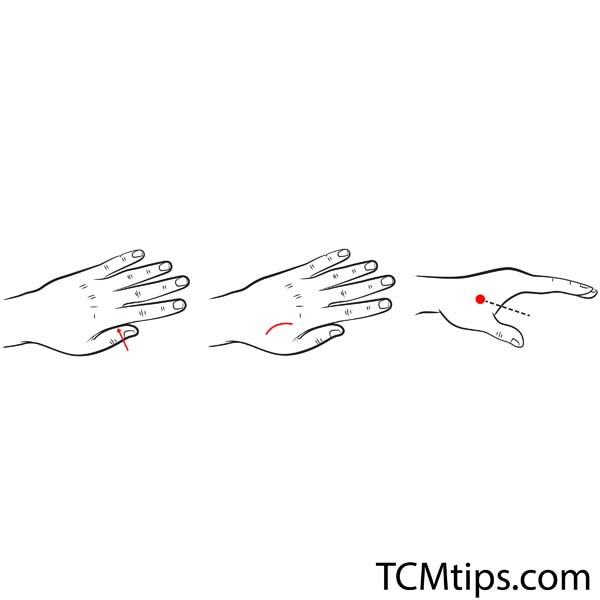
- Location: On the back of the hand, in the webbing between the thumb and index finger
- Function: Supports large intestine movement and bowel regularity
- How it helps: LI 4 is often used when dietary changes lead to constipation or digestive stagnation
- How to use: Apply firm pressure for 30–60 seconds on each hand once or twice daily
ST 36 (Zu San Li / Leg Three Miles)
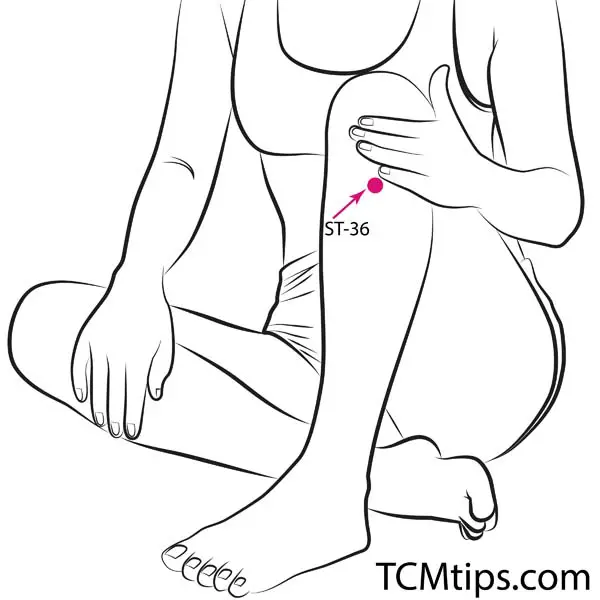
- Location: About four finger-widths below the kneecap, one finger-width outside the shin bone
- Function: Strengthens digestion and nutrient absorption
- How it helps: ST 36 supports gut motility and helps the body adapt to fiber-rich meals
- How to use: Massage firmly for 1–2 minutes on each leg daily
If you’d like to explore additional pressure points for digestion, our in-depth guide walks through how to locate and use key points to support bloating relief, bowel regularity, and overall gut balance at home.
Final Thoughts: A Food-First Path to Better Gut Health
Fiber supplements may seem convenient, but real digestive health is built through daily habits. By choosing fiber-rich whole foods and supporting digestion with simple acupressure, you give your gut the tools it needs to function smoothly. For more easy TCM wisdom and practical wellness tips, visit TCMTips.com and discover how small, natural changes can lead to lasting digestive comfort.
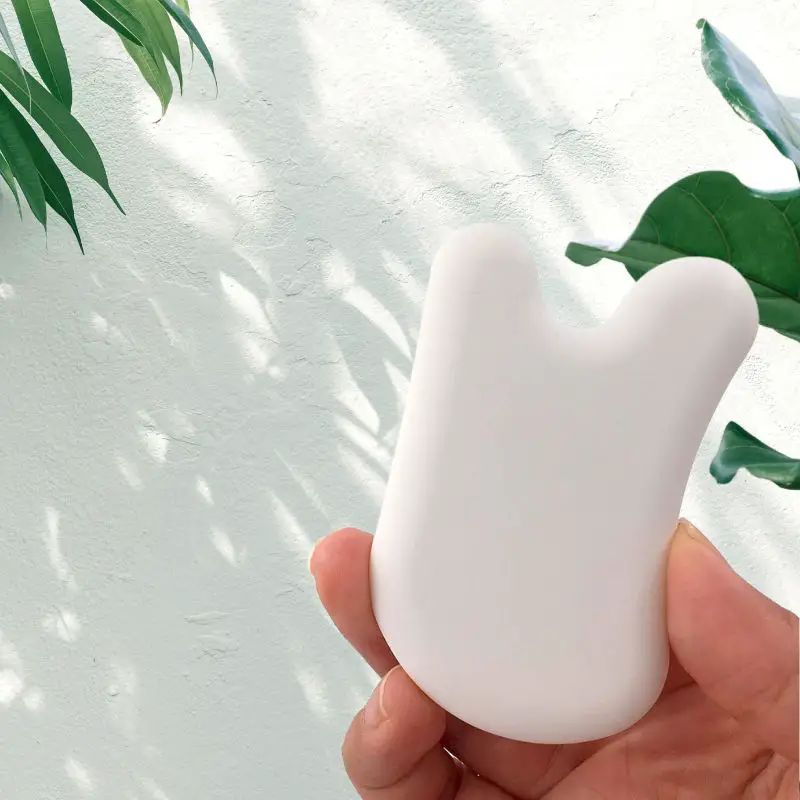
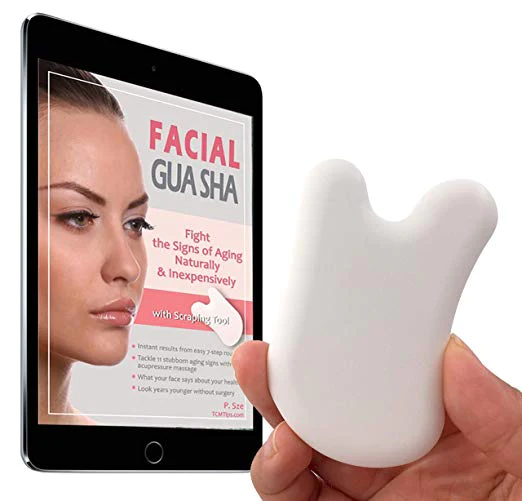
Try our Anti-Aging Gua Sha Tool designed to bring out your skin’s natural glow.
Best Gua Sha Product- Anti-Aging: The tool is designed to target 11 specific aging signs such as wrinkles and sagging skin. By following the 7-step routine, users can improve skin firmness and reduce fine lines naturally.
- Enhances Skincare Routine: It works effectively with serums and lotions, boosting absorption and efficacy of skincare products.
- Visible Skin Improvement: Users can expect a smoother complexion, reduced puffiness, and a more youthful appearance.