 P. Sze
Your Daily Drinks May Be Secretly Shaping How Long You Live
For many women, the rhythm of the day is marked by simple rituals: coffee in the morning, tea in the afternoon, and a constant reminder to drink more water. These habits feel ordinary, almost automatic—but new science suggests they may quietly shape how long and how well we live. Instead of complicated longevity hacks, the answer may already be sitting in your favorite mug.
A large new study published in the British Journal of Nutrition explored how daily intake of coffee, tea, and water relates to lifespan and overall mortality. The full research can be accessed here: https://doi.org/10.1017/s0007114525104248. Its findings offer reassuring news for anyone trying to balance health with a busy, modern life.
How Coffee, Tea, and Water Were Studied Together
Researchers analyzed data from 182,770 adults participating in the UK Biobank. These individuals were followed for an average of 13 years, allowing scientists to compare long-term health outcomes with beverage consumption patterns.
Participants self-reported how many cups of water, coffee, and tea they drank each day. The researchers then examined mortality rates while adjusting for key lifestyle factors, including:
- Age and sex
- Smoking status
- Physical activity levels
- Body mass index
- Overall diet quality
Because this was an observational study, it does not prove that beverages directly cause longer life. However, the size of the dataset and length of follow-up make the associations difficult to ignore.
The Statistics That Caught Researchers’ Attention
The results revealed a clear and consistent pattern:
- People who consumed about 7–8 total cups per day of water, coffee, and tea had the lowest risk of death from all causes
- Compared with very low beverage intake, this group experienced up to a 45% reduction in all-cause mortality
- The most favorable balance appeared to be:
- 2–3 cups of coffee daily
- 3–4 cups of tea daily
- The remainder from plain water
- Drinking coffee or tea alone—without adequate water—did not provide the same protective benefit
In short, hydration mattered just as much as antioxidants.
Why This Daily Trio May Support Longevity
Researchers believe several mechanisms may explain the observed benefits:
- Hydration support: Adequate water intake supports circulation, kidney function, and metabolic health
- Antioxidant intake: Coffee and tea are rich in polyphenols that help reduce oxidative stress
- Lower inflammation: Chronic inflammation is closely linked to aging and cardiovascular disease, and these beverages may help moderate it
Rather than replacing water, coffee and tea appear to work best when consumed as part of a balanced hydration routine.
A TCM View: Why Stress Management Matters for Longevity
From a Traditional Chinese Medicine perspective, longevity depends not only on nourishment but also on how well the body handles stress. Chronic stress disrupts the Heart and Pericardium systems, exhausts Qi, and accelerates aging over time.
That’s why pairing healthy hydration habits with simple self-care practices is so powerful. Alongside mindful drinking, these acupressure points for stress relief you can use easily help calm the nervous system and protect long-term vitality.
Three Essential Acupressure Points for Daily Stress Relief
Below are three foundational pressure points commonly used in TCM to regulate stress and emotional tension.
PC-6 (Neiguan) – Inner Pass
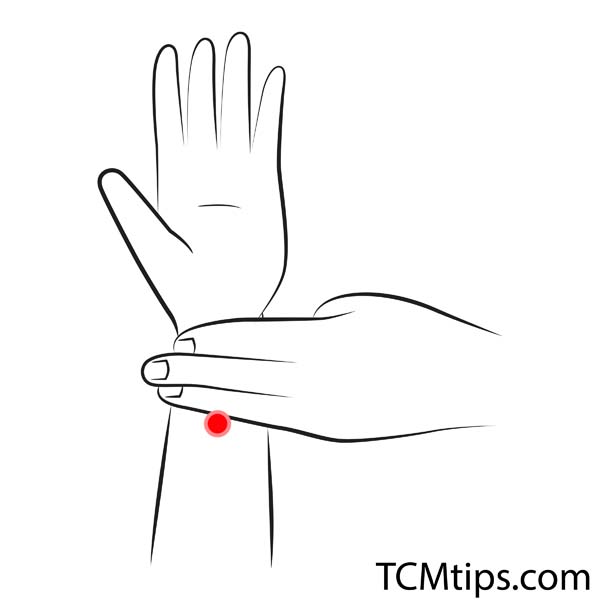
- Location: Three finger-widths below the wrist crease, between the two tendons on the inner forearm
- Benefits: Calms anxiety, regulates heart rhythm, and eases stress-related chest tightness
- How to use: Apply steady pressure for 60–90 seconds while breathing slowly; repeat on both arms
LI-4 (He Gu) – Joining Valley
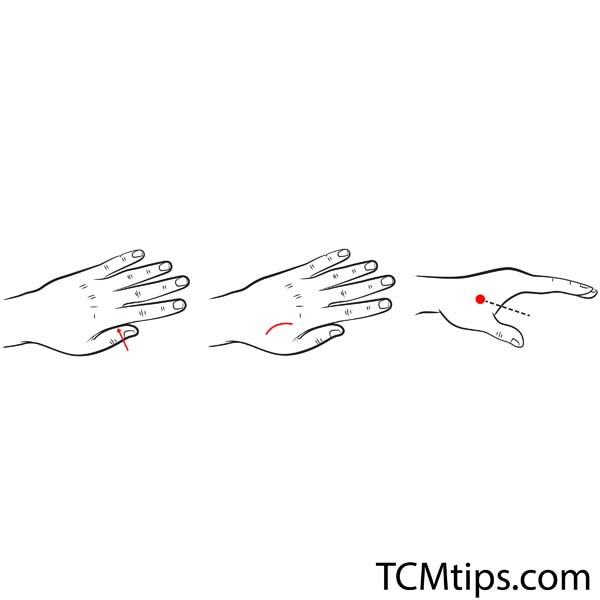
- Location: The fleshy area between the thumb and index finger
- Benefits: Releases full-body tension, supports emotional balance, and helps with stress headaches
- How to use: Press firmly and massage in small circles for about 1 minute on each hand
- Important: Avoid this point during pregnancy
PC-8 (Laogong) – Palace of Toil
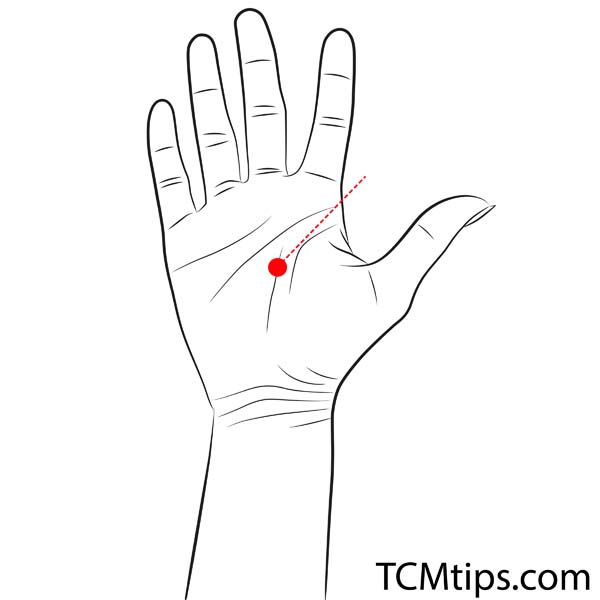
- Location: The center of the palm, where the middle finger lands when making a loose fist
- Benefits: Clears internal heat, calms irritability, and relieves mental fatigue from overwork
- How to use: Gently press and hold for 30–60 seconds, focusing on slow exhalation
Putting It All Together
This research delivers a refreshing message: longevity doesn’t require perfection or extreme routines. Drinking enough water, enjoying coffee and tea in moderation, and supporting your body’s stress response with acupressure may work together to protect health over time.
Small, repeatable habits—what you sip, how you pause, and how you release tension—can quietly shape a longer, steadier path to wellness.
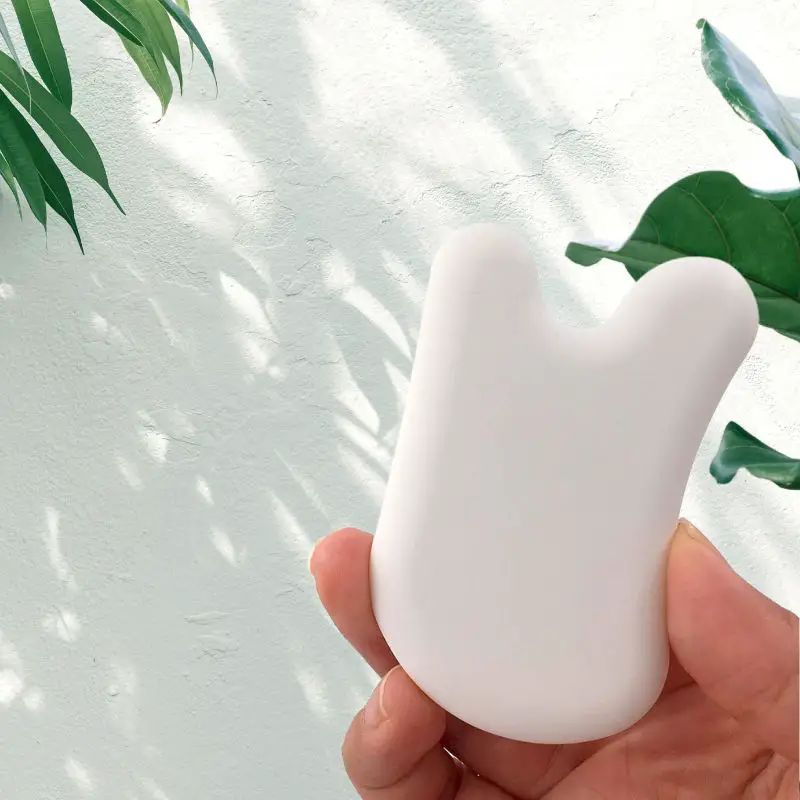
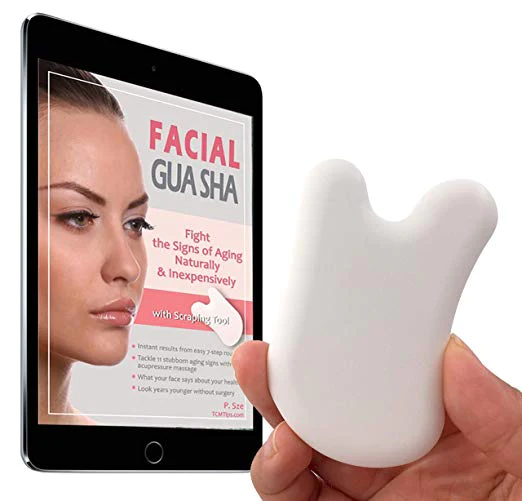
Try our Anti-Aging Gua Sha Tool designed to bring out your skin’s natural glow.
Best Gua Sha Product- Anti-Aging: The tool is designed to target 11 specific aging signs such as wrinkles and sagging skin. By following the 7-step routine, users can improve skin firmness and reduce fine lines naturally.
- Enhances Skincare Routine: It works effectively with serums and lotions, boosting absorption and efficacy of skincare products.
- Visible Skin Improvement: Users can expect a smoother complexion, reduced puffiness, and a more youthful appearance.