 P. Sze
Recurring Headaches at Work? Simple TCM Remedies to Clear Your Head and Boost Productivity
By 3 p.m., your temples are throbbing.
Your eyes feel dry and strained. Your shoulders are tight from hunching over your laptop. You try another cup of coffee, but it only takes the edge off.
If this sounds familiar, you’re not alone. Recurring headaches are one of the most common complaints among desk-bound professionals. Long hours at a screen, constant multitasking, and nonstop mental pressure all take a toll.
From a Traditional Chinese Medicine (TCM) perspective, these headaches aren’t random. They’re a signal that something in your body’s internal flow is stuck.
Let’s look at what that means — and how you can ease tension fast, right at your desk.
Why Screen Time Triggers Headaches in TCM
In TCM, your body runs on Qi (pronounced “chee”) — your vital energy — and Blood. They circulate continuously to nourish tissues, muscles, and your brain.
When you sit in the same position for hours, that circulation slows down.
Ms. Mai explains:
“Staying in the same posture for long periods can impair the circulation of Qi and Blood throughout the body, which may lead to pain such as headaches.”
Your neck stiffens. Your shoulders tighten. Blood flow toward the head becomes restricted. And in TCM, there’s a simple principle:
“Where there is obstruction, there is pain.”
Excessive screen time adds another layer. In TCM theory, the eyes are closely connected to the Liver system, which is responsible for keeping Qi flowing smoothly. Overworking your eyes weakens this function. When Qi doesn’t move properly, pressure builds — often showing up as tension headaches or mental fatigue.
That afternoon brain fog? It’s not just tiredness. It’s stagnation.
The good news: you can gently restore flow in just a few minutes.
A 2-Minute Desk Reset for Headache Relief
When stress and multitasking pile up, Qi tightens even more. Before reaching for medication, try this simple reset.
Step 1: Slow, Deep Breathing
Sit upright. Inhale slowly through your nose for four counts. Exhale gently for six.
As you breathe, let your gaze lift slightly upward. This subtle upward look can relieve tension in the front of the head.
Do this for one minute.
Deep breathing helps relax the nervous system and encourages Qi to move again.
Step 2: Open the Chest
Prolonged computer work often causes a hunched posture. That compression strains the neck and traps circulation.
Interlace your fingers behind your back. Gently lift your hands while opening your chest. Keep your shoulders relaxed.
Hold for 15–20 seconds.
This simple stretch can ease tension fast and improve blood flow toward the head.
Step 3: Gentle Neck Rotation
Slowly rotate your neck in small circles. Move gently. Avoid forcing the stretch.
Even 30 seconds can help reduce stiffness before it turns into a full headache.
These small adjustments throughout your day can prevent that heavy, tight sensation from building.
Acupressure Points You Can Use at Your Desk
Acupressure is one of the easiest ways to support circulation when you’re short on time.
Here are four points Ms. Mai recommends for quick relief.
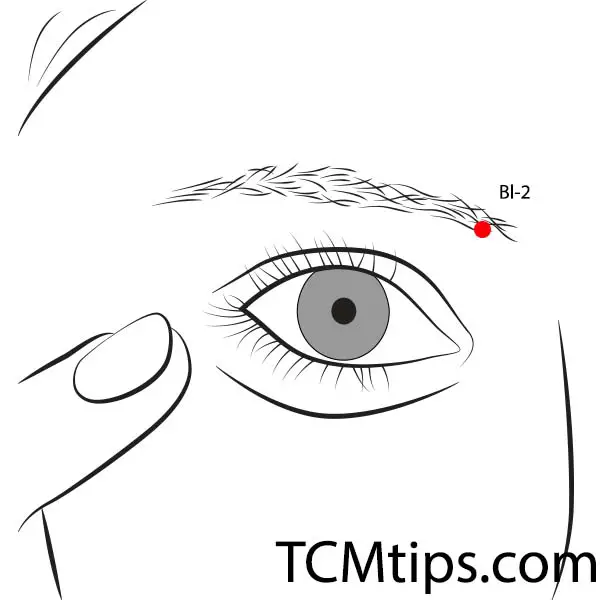
Zanzhu (BL2)
Location: At the inner edge of your eyebrows, near the bridge of your nose.
Use: Press gently with your thumb or index finger for 10–15 seconds while breathing slowly.
Helpful for eye strain and forehead tension.
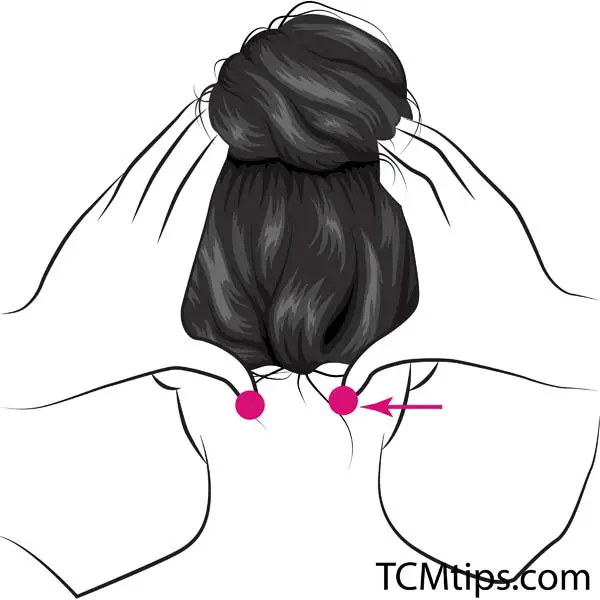
Fengchi (GB20)
Location: At the base of the skull, in the hollows on either side of your neck.
Use: Interlace your fingers and press your thumbs gently into these points. Hold for 15–20 seconds.
This point is especially helpful for tension headaches that start in the neck.
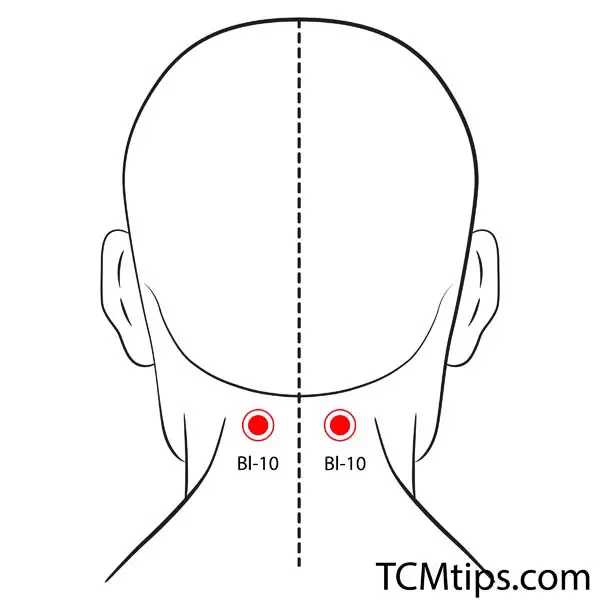
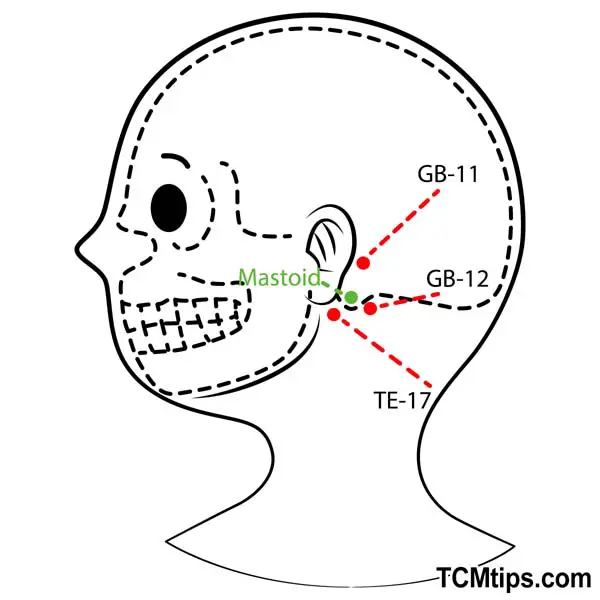
Tianzhu (BL10) and Wangu (GB12)
Location: Along the back of the neck, slightly outward from the spine (BL10) and just behind the ear area (GB12).
Use: Apply steady, comfortable pressure while breathing slowly.
These points support circulation between the neck and head — especially helpful if shoulder tightness comes first.
You don’t need perfect precision. Gentle, consistent pressure is enough to encourage movement.
The Neck-Head Connection
If your headaches often begin with tight shoulders, that’s not a coincidence.
In TCM, when muscles tense, Qi and Blood cannot reach the head efficiently. Restricted flow in the neck creates pressure above.
Ms. Mai explains that poor circulation in the neck and shoulders can prevent proper nourishment of the head, leading to pain.
Along with the stretches above, try this simple technique:
- Gently massage below your collarbones with your fingertips.
- Use slow strokes along the sides of your neck.
- Keep your breathing relaxed.
This improves circulation pathways that feed upward toward the head.
Small movements done consistently work better than waiting for a severe headache.
Smart Drink Swaps to Prevent Recurring Headaches
What you drink at work matters more than most people realize.
From a TCM perspective, too many cold beverages can create internal “coldness,” which slows circulation even more.
That iced coffee at 3 p.m.? It may feel refreshing, but it can contribute to stagnation.
Instead:
- Choose warm or room-temperature water.
- Limit coffee to one or two cups daily.
- Try barley tea, rooibos tea, or mild herbal teas for hydration.
Reducing excess caffeine can also prevent the rebound headaches many professionals experience.
A Simple Calming Tea Blend
For stress-related tension, try this easy blend at home:
- 1 teaspoon dried chrysanthemum flowers
- 1 teaspoon goji berries
- Steep in hot water for 5–7 minutes
Sip slowly in the evening to unwind.
Warm, gentle beverages support smoother circulation — helping prevent headaches before they start.
Treat the Root, Not Just the Symptoms
It’s tempting to power through headaches with medication. And sometimes that’s necessary.
But recurring headaches often signal deeper imbalances in circulation, posture, stress levels, and daily habits.
Ms. Mai puts it clearly:
“While taking medication may provide temporary relief, it does not address the root cause, and headaches are likely to recur unless the underlying imbalance is corrected.”
Your workday may not change overnight. But your response to it can.
Small resets. Better posture. Smarter hydration. Gentle acupressure.
These simple steps help clear your head, restore focus, and protect your energy — so you can feel calmer at your desk instead of drained by it.
When you support circulation consistently, headaches lose their grip.
And your productivity naturally improves — without pushing harder.
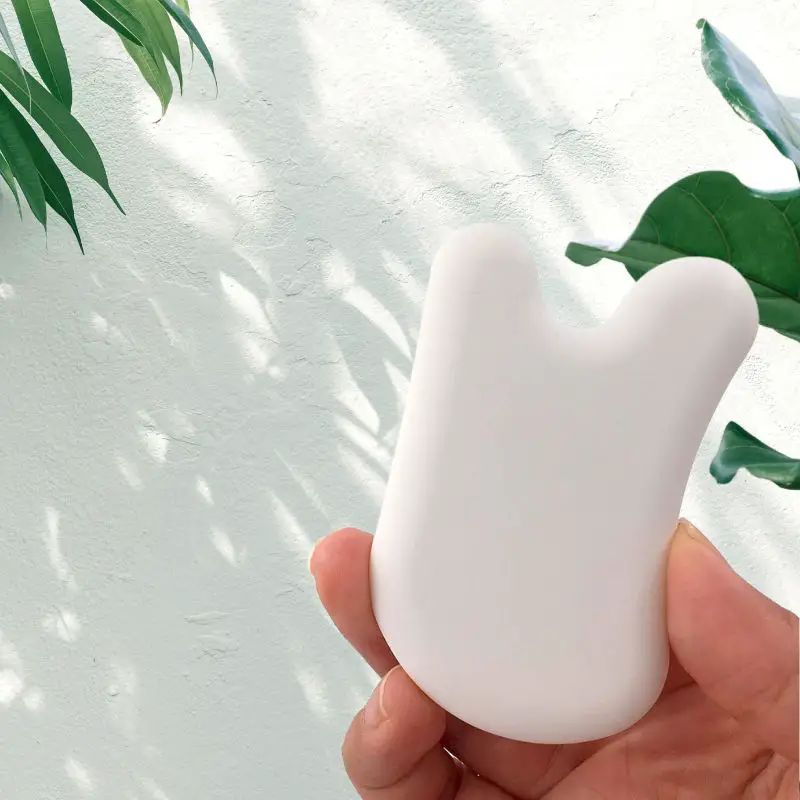
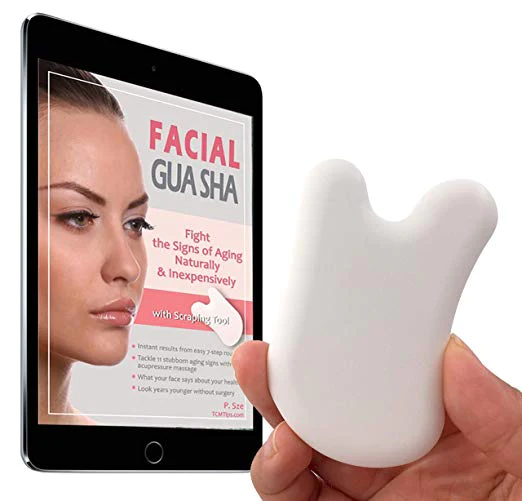
Try our Anti-Aging Gua Sha Tool designed to bring out your skin’s natural glow.
Best Gua Sha Product- Anti-Aging: The tool is designed to target 11 specific aging signs such as wrinkles and sagging skin. By following the 7-step routine, users can improve skin firmness and reduce fine lines naturally.
- Enhances Skincare Routine: It works effectively with serums and lotions, boosting absorption and efficacy of skincare products.
- Visible Skin Improvement: Users can expect a smoother complexion, reduced puffiness, and a more youthful appearance.