 P. Sze
Everyday Superfoods That Help Women Feel Energized, Balanced, and Less Bloated
Between rushed mornings, desk lunches, stress snacking, and late dinners, many women in their 30s and 40s feel persistently tired, heavy, or bloated—even when they are trying to eat well. The issue is often not how much food you eat, but whether your body can properly digest and absorb nutrients. Nutrition research, including findings published in Foods (https://doi.org/10.3390/foods12030546), shows that diets rich in antioxidants, fiber, and healthy fats are strongly linked to better immune resilience, metabolic health, and sustained energy.
This is why superfoods matter—not as a trend, but as practical, everyday nourishment that works with your body instead of against it.
What Superfoods Are and Why Nutrient Density Matters
Superfoods are foods that provide a high concentration of nutrients per calorie. They are rich in vitamins, minerals, polyphenols, and essential fatty acids that help regulate inflammation, blood sugar, and oxidative stress.
Large-scale studies consistently associate diets high in nutrient-dense foods with:
- 20–30% lower risk of cardiovascular disease
- Improved insulin sensitivity and metabolic markers
- Stronger immune responses due to higher antioxidant intake
For women navigating hormonal changes, chronic stress, and digestive sensitivity, nutrient density becomes especially important.
How These Superfoods Were Identified: Methodology Explained
The foods discussed here are supported by nutritional science rather than food trends. Researchers typically evaluate foods using:
- Nutrient density, including vitamins, minerals, fiber, and healthy fats
- Evidence-backed health outcomes, such as reduced inflammation or improved metabolic function
- Dietary consistency, meaning foods that can realistically be eaten regularly
Research emphasizes that long-term dietary patterns—not individual “super” ingredients—produce meaningful health outcomes.
11 Superfoods That Support Energy, Immunity, and Digestive Health
Here is a practical listicle-style overview of superfoods consistently linked to better health outcomes:
- Leafy Greens High in folate, magnesium, and carotenoids that support energy production and cellular repair.
- Cruciferous Vegetables Broccoli and cauliflower contain sulfur compounds that support detoxification and inflammation balance.
- Berries Rich in anthocyanins and fiber; higher intake is linked to improved heart health and cognitive aging.
- Fatty Fish Salmon and sardines provide omega-3 fatty acids associated with up to 25% lower heart disease risk.
- Herbs and Spices Turmeric and ginger provide concentrated antioxidants that support digestion and inflammatory regulation.
- Citrus Fruits Excellent sources of vitamin C, essential for immune cell function and collagen production.
- Fermented Foods Support gut microbiome diversity, influencing digestion, immunity, and mood.
- Nuts and Seeds Provide fiber, healthy fats, and magnesium to support blood sugar and stress response.
- Organ Meats Especially rich in iron and vitamin B12, critical for preventing fatigue.
- Cocoa Products Dark chocolate contains flavonoids shown to improve circulation and vascular health.
- Onions and Garlic Support immune and cardiovascular health through sulfur-containing compounds.
How to Eat More Superfoods Without Overhauling Your Diet
Small, consistent changes work best:
- Add berries or citrus to breakfast
- Toss leafy greens into soups or stir-fries
- Use herbs and spices daily instead of sugary sauces
- Snack on nuts and seeds
- Eat fatty fish once or twice a week
Consistency matters more than perfection.
TCM Insight: Why Digestion Determines How Much Energy You Actually Get
In Traditional Chinese Medicine, digestion is the foundation of energy and vitality. Even the most nutritious foods cannot nourish the body if digestion is weak. When digestion struggles, symptoms like bloating, heaviness, and fatigue often appear after meals.
If this sounds familiar, this guide on acupressure for bloating and indigestion to relieve digestive discomfort and enhance vitality explores how gentle pressure can support digestive function naturally.
3 Essential Acupressure Points to Support Digestion and Energy
You can begin with these three foundational acupressure points commonly used to support digestion, circulation, and energy balance:
1. Zhongwan (Ren 12)
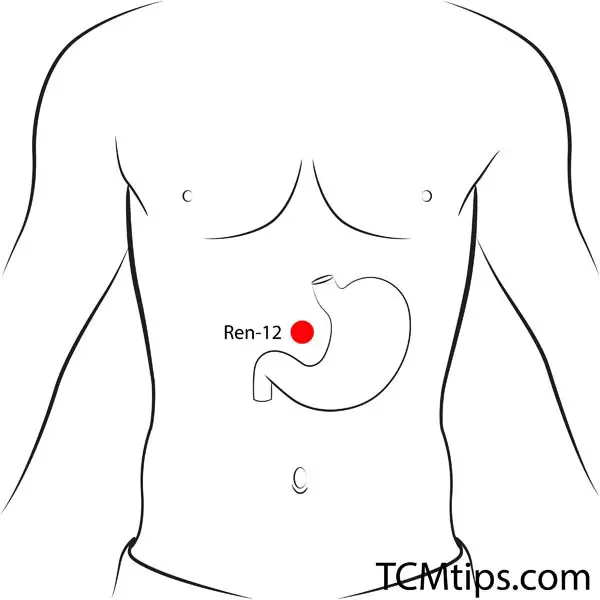
Located midway between the navel and the base of the breastbone. This point is traditionally used to regulate stomach function, ease bloating, and improve nutrient absorption. It is especially helpful when you feel heavy or uncomfortable after eating.
2. Zusanli (ST 36)

Located about four finger-widths below the kneecap, slightly outside the shinbone. Often called the “longevity point,” Zusanli is used to strengthen digestion, boost energy levels, and support immune function.
3. Hegu (LI 4)

Located in the webbing between the thumb and index finger. This point helps move stagnation in the body and is commonly used for digestive discomfort, stress-related tension, and overall circulation support.
Apply gentle, steady pressure to each point for 1–2 minutes, once or twice daily, especially after meals.
When nutrient-dense foods are paired with strong digestion and supportive acupressure, the body can finally absorb what it needs—allowing energy, immunity, and balance to improve naturally over time.
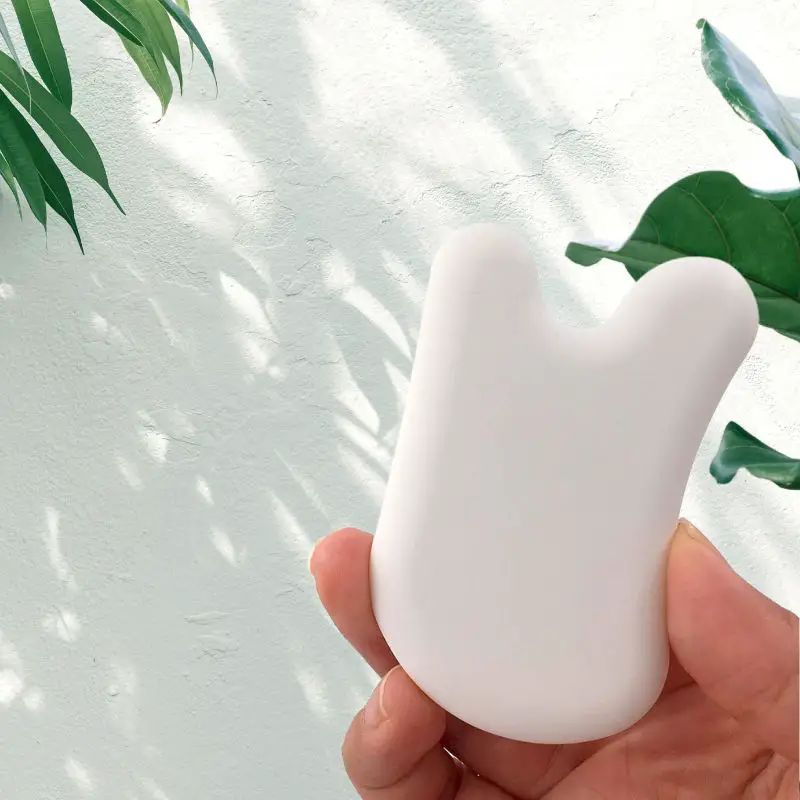
Try our Anti-Aging Gua Sha Tool designed to bring out your skin’s natural glow.
Best Gua Sha Product- Anti-Aging: The tool is designed to target 11 specific aging signs such as wrinkles and sagging skin. By following the 7-step routine, users can improve skin firmness and reduce fine lines naturally.
- Enhances Skincare Routine: It works effectively with serums and lotions, boosting absorption and efficacy of skincare products.
- Visible Skin Improvement: Users can expect a smoother complexion, reduced puffiness, and a more youthful appearance.