 P. Sze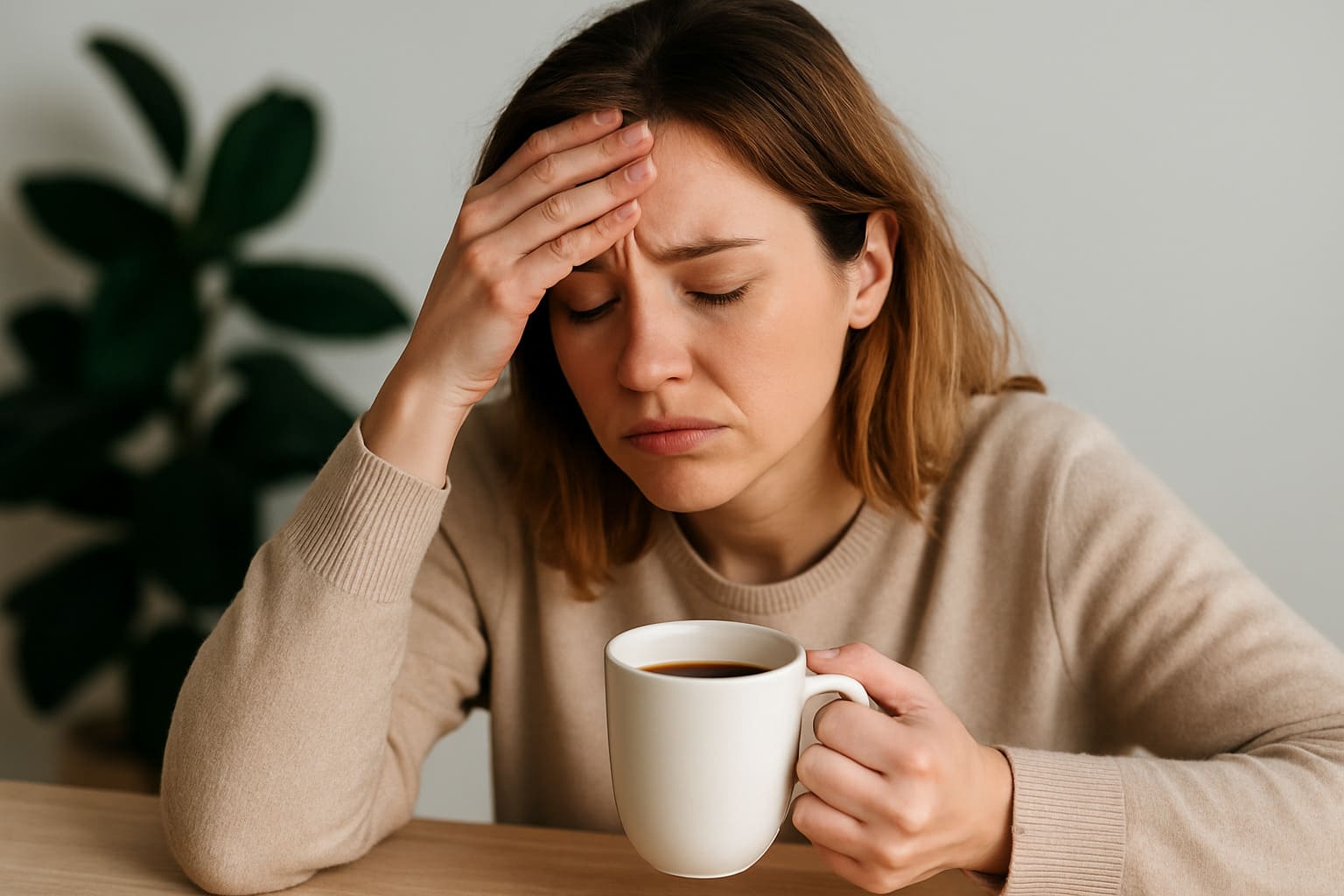
Are You Running on Coffee or Running on Empty? The TCM Way to Rebalance Your Energy
Caffeine Is Boosting Your Mornings — But Is It Draining Your Health?
For many women navigating busy lives in their 30s to 50s, caffeine is a trusted ally. The morning cup, the mid-day pick-me-up, and even that late-afternoon latte all feel like energy essentials. But when your coffee habit starts leading to fatigue, headaches, anxiety, or poor sleep, it might be time to pause and ask — is caffeine helping or hurting you?
According to the FDA, up to 400 mg of caffeine per day is considered safe for most adults. That’s about four small cups of coffee. But individual sensitivity matters — and many people experience unpleasant symptoms even with smaller amounts.
A recent article from Health.com breaks down the 8 warning signs you may be drinking too much caffeine — and how to start regaining balance, naturally.
8 Signs You’re Drinking Too Much Caffeine
The Health.com article emphasizes that while caffeine can be a performance booster, too much can create stress in your cardiovascular, digestive, and nervous systems. Here are the signs to watch for:
1. Persistent Fatigue
Relying on caffeine to stay awake may mean your body isn’t getting real rest. Over time, caffeine can disrupt your sleep cycles, leaving you even more tired.
2. Heart Palpitations
Feeling your heart race or skip beats? Caffeine’s stimulating effects can increase adrenaline and trigger irregular heart rhythms.
3. High Blood Pressure
Intakes over 400–600 mg of caffeine per day have been linked to sustained rises in blood pressure.
4. Digestive Problems
Caffeine boosts stomach acid and relaxes digestive muscles, leading to issues like reflux, bloating, or stomach pain.
5. Headaches or Migraines
Fluctuating caffeine levels can cause blood vessels in the brain to constrict and dilate, triggering headaches.
6. Jitters and Anxiety
Caffeine blocks calming neurotransmitters like adenosine, which can lead to overstimulation and anxiety.
7. Dizziness
Spikes in heart rate and blood pressure can cause feelings of imbalance or lightheadedness.
8. Withdrawal Symptoms
If skipping coffee causes irritability, brain fog, or nausea, you may be dependent on caffeine to feel “normal.”
The Research Behind the Warnings
This list isn’t just anecdotal. The article references data from the FDA and multiple peer-reviewed studies to support each symptom. Caffeine has a half-life of about five hours, meaning it can stay in your body long after your last sip — especially if you consume it in the afternoon or evening. Research also shows that consistent high intake is linked to increased anxiety, disrupted sleep, and cardiovascular issues. These findings form the basis of the article’s guidance: cut back slowly, don’t quit cold turkey, and listen to your body.
How to Cut Back on Caffeine Without the Crash
Reducing caffeine doesn’t mean giving up energy. The Health.com article recommends:
- Taper gradually: Replace one cup a day with herbal tea or decaf alternatives.
- Eat for sustained energy: Include more protein and complex carbs in your meals.
- Avoid caffeine late in the day: Aim for no coffee after 2 p.m.
- Hydrate more: Dehydration can worsen caffeine side effects.
But there’s more you can do — especially with the wisdom of Traditional Chinese Medicine (TCM).
TCM Acupressure: Your Natural Solution to Rebalance Energy
In TCM, excessive caffeine overstimulates the yang energy and weakens the yin, leading to restlessness, insomnia, irritability, and fatigue. Rather than reaching for more caffeine, you can stimulate key acupressure points to naturally restore balance and reduce your dependence on stimulants.
1. Tianzhu (BL-10) – Celestial Pillar
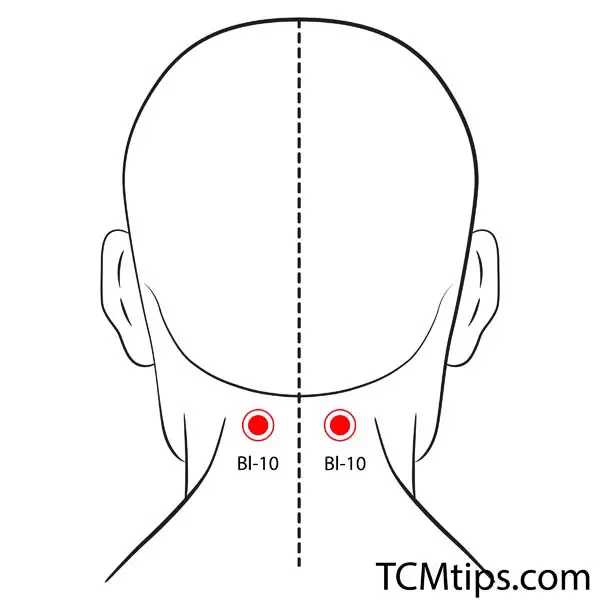
Location: At the base of the skull, one finger-width from the spine on each side. Use for: Headaches, mental fog, stress, neck tension. How to use: Press both points with your thumbs while tilting your head slightly forward. Hold for 1–2 minutes with deep breathing.
2. Neiguan (PC-6) – Inner Pass
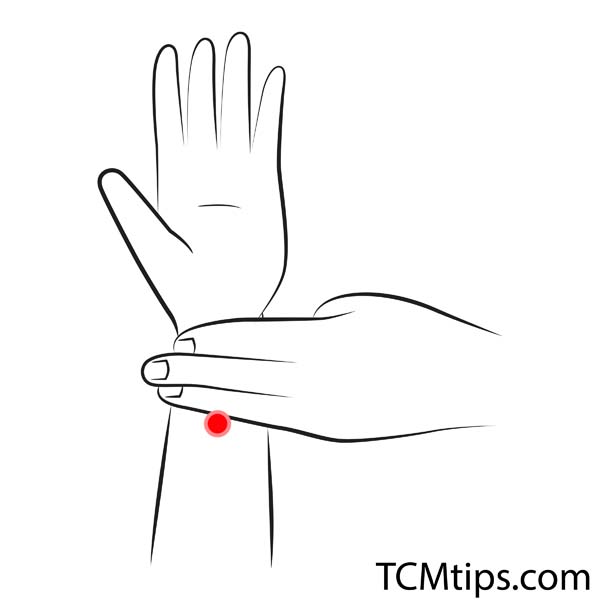
Location: On the inner forearm, three finger-widths above the wrist crease. Use for: Heart palpitations, anxiety, nausea, and high blood pressure. How to use: Apply steady pressure for 60–90 seconds on each arm. Perfect before bed or when you feel overstimulated.
3. He Gu (LI-4) – Joining Valley
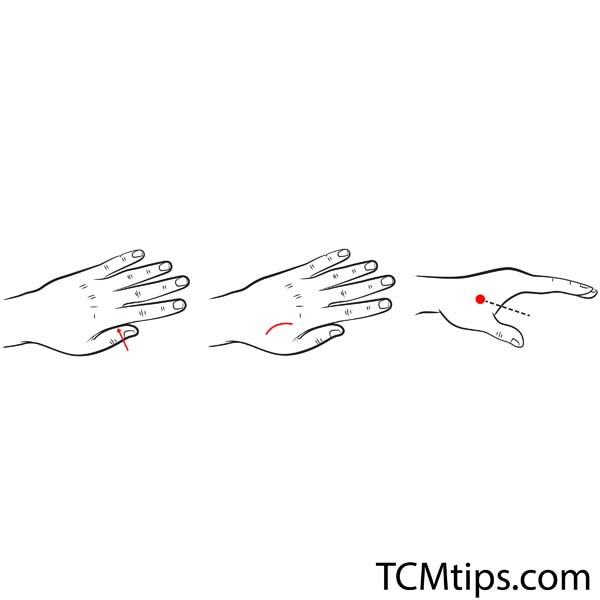
Location: In the webbing between your thumb and index finger. Use for: Headaches, bloating, tension, and overall energy regulation. How to use: Press and massage for 1–2 minutes on each hand. Avoid during pregnancy.
You can use these points together in a short 2–3 minute self-care ritual during the afternoon slump or when you’re tempted to grab another coffee.
Looking for more ways to calm your nervous system and boost energy naturally? Don’t miss these powerful acupressure points for stress that you can use easily.
Take Back Your Energy — Without the Crash
Too much caffeine can sneak into your life, leaving you wired but tired, anxious but unfocused. By recognizing the warning signs and turning to acupressure as a natural solution, you can restore balance to your body and mind.
Ready to go deeper with DIY Traditional Chinese Medicine? Visit TCMTips.com for simple guides, pressure point tutorials, and wellness tools tailored for women like you. Subscribe to our newsletter and start every week with Easy TCM Wisdom — Your Path to DIY Health and Wellness.
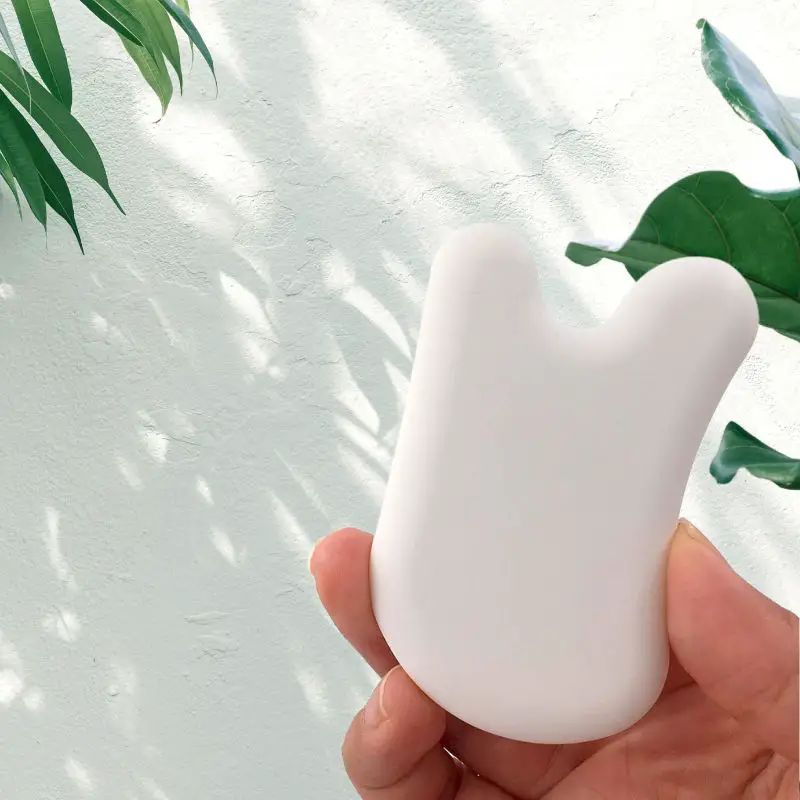
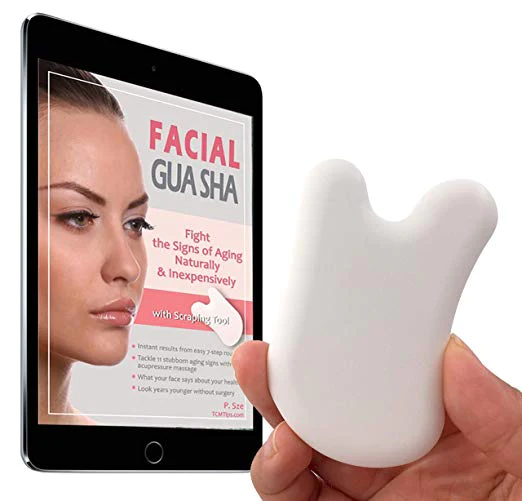
Try our Anti-Aging Gua Sha Tool designed to bring out your skin’s natural glow.
Best Gua Sha Product- Anti-Aging: The tool is designed to target 11 specific aging signs such as wrinkles and sagging skin. By following the 7-step routine, users can improve skin firmness and reduce fine lines naturally.
- Enhances Skincare Routine: It works effectively with serums and lotions, boosting absorption and efficacy of skincare products.
- Visible Skin Improvement: Users can expect a smoother complexion, reduced puffiness, and a more youthful appearance.