 P. Sze
The Hidden Heart Risks of Melatonin: Why Your Nightly Sleep Aid May Deserve a Second Look
For many women, melatonin has become a nightly ritual. When your mind won’t slow down and tomorrow’s to-do list keeps replaying, a “natural” sleep supplement can feel like the safest solution. But emerging research suggests that long-term melatonin use may come with unexpected risks—particularly for heart health. According to new findings presented by the American Heart Association on the potential heart health effects of long-term melatonin use, relying on this popular supplement night after night may not be as harmless as many assume.
For women in their 30s and 40s who prioritize longevity and daily vitality, this research raises an important question: is melatonin masking a deeper imbalance rather than fixing the root cause of poor sleep?
What the Study Found About Melatonin and Heart Health
The study examined health records from more than 130,000 adults diagnosed with insomnia. About half of the participants had used melatonin consistently for one year or longer, while the other half had not.
Over an average follow-up period of nearly five years, researchers tracked serious cardiovascular outcomes. The results were concerning:
- 4.6% of long-term melatonin users developed heart failure, compared with 2.7% of non-users
- This equals an approximately 90% higher risk of heart failure
- Long-term users were 3.5 times more likely to be hospitalized
- The risk of death from any cause was nearly doubled among habitual melatonin users
These findings challenge the widespread belief that melatonin is completely risk-free simply because it’s sold over the counter.
How the Researchers Reached These Conclusions
This was a large observational study, meaning researchers analyzed real-world medical data rather than assigning treatments in a controlled clinical trial.
Key aspects of the methodology included:
- Participants already had a diagnosis of insomnia
- Groups were matched for age, sex, and existing health conditions
- Outcomes tracked included heart failure, hospitalization, and mortality
- Melatonin dosage and brand were not standardized, reflecting typical consumer use
While this type of study cannot prove direct cause and effect, the strong association between long-term melatonin use and adverse outcomes signals the need for caution—especially for nightly users.
Why “Natural” Supplements Can Still Create Imbalance
Experts note that insomnia itself is linked to cardiovascular disease, which may partly explain the results. However, melatonin supplements in the U.S. are loosely regulated, and research shows actual hormone levels often differ significantly from what labels claim.
From a holistic perspective, introducing external hormones over long periods may disrupt the body’s own circadian rhythm instead of supporting it—leading to deeper imbalance over time.
A TCM Perspective on Sleep and Stress
In Traditional Chinese Medicine (TCM), chronic sleep problems are often tied to an overstimulated nervous system and an unsettled Heart and Shen (spirit). Rather than forcing sleep, TCM focuses on calming stress at its source so rest can occur naturally.
Three Acupressure Points to Calm Stress and Support Sleep
These points are gentle, effective, and easy to use at home:
Tianzhu (BL-10) — Celestial Pillar
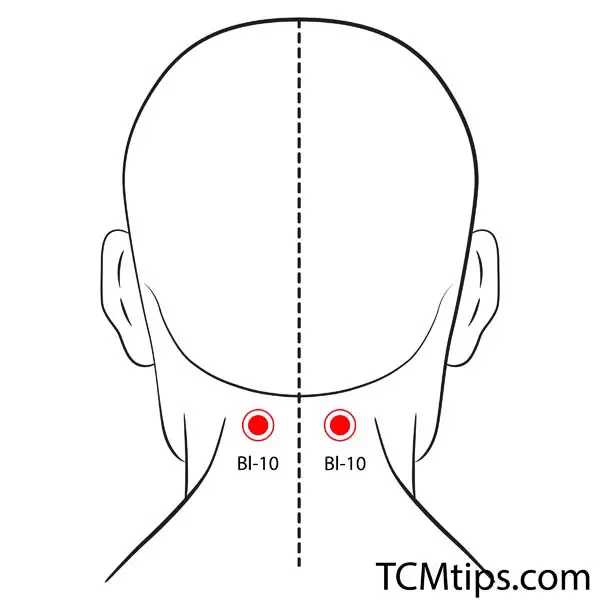
Location: At the base of the skull, one finger-width away from the spine. Benefits: Calms the nervous system, eases mental overactivity, releases neck tension. How to use: Hold gentle pressure for 30–60 seconds per side while breathing slowly.
Neiguan (PC-6) — Inner Pass
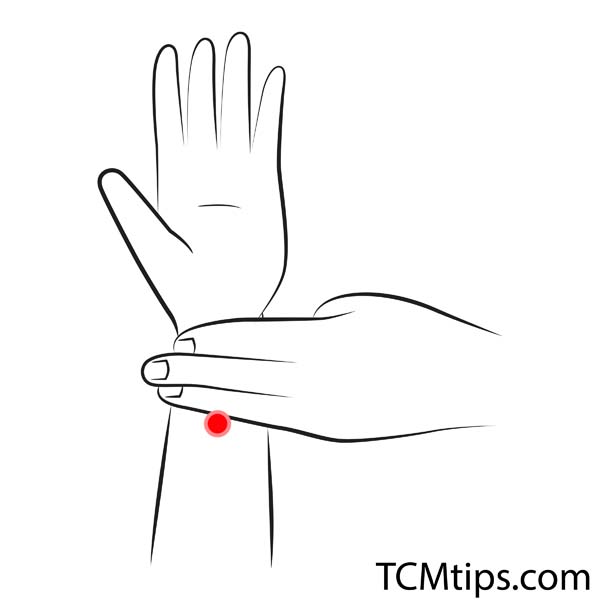
Location: Inner forearm, three finger-widths below the wrist crease, between two tendons. Benefits: Helps stress-related insomnia, chest tightness, and heart palpitations. How to use: Apply steady pressure for 1–2 minutes on each arm.
He Gu (LI-4) — Joining Valley
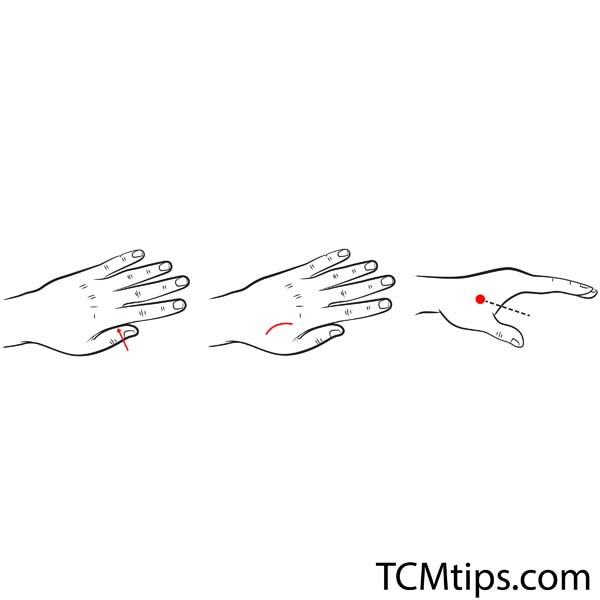
Location: The fleshy webbing between the thumb and index finger. Benefits: Relieves stress, jaw clenching, headaches, and full-body tension. How to use: Press firmly for 60–90 seconds on each hand.
If you want to expand your routine, this guide to acupressure points for stress you can easily use at home can help you develop a simple nightly practice that supports relaxation without supplements.
Final Thoughts: Rethinking Long-Term Sleep Solutions
Melatonin may still be helpful for short-term sleep disruption, but this research highlights why long-term reliance deserves a second look. Supporting sleep by calming stress and restoring balance may offer a safer, more sustainable path to rest.
At TCMTips, we believe better sleep begins with listening to your body—not overriding it. Visit our site and join our weekly newsletter for practical, research-informed TCM wisdom you can use in everyday life.
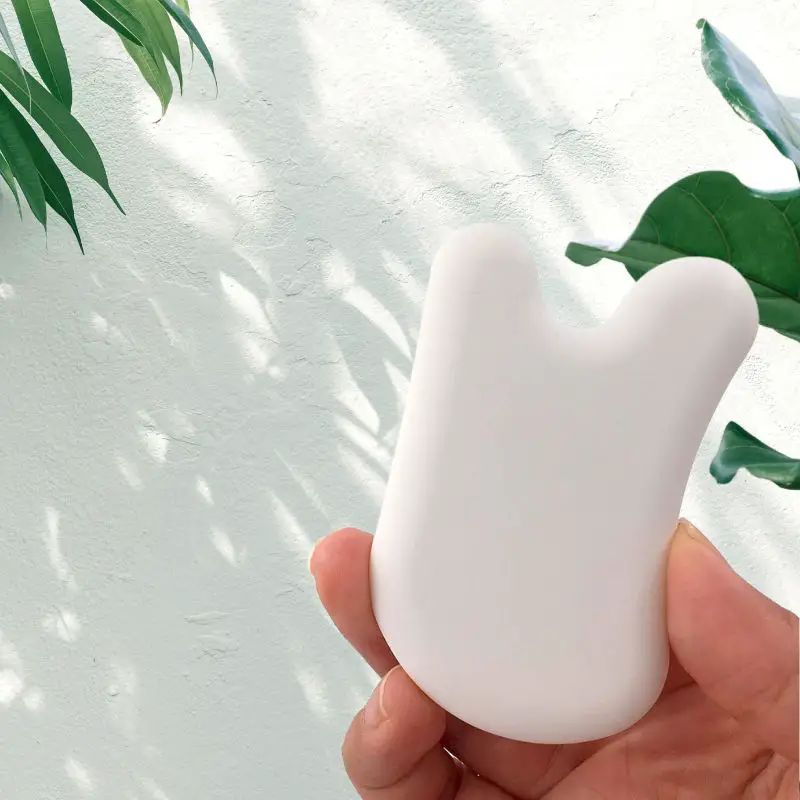
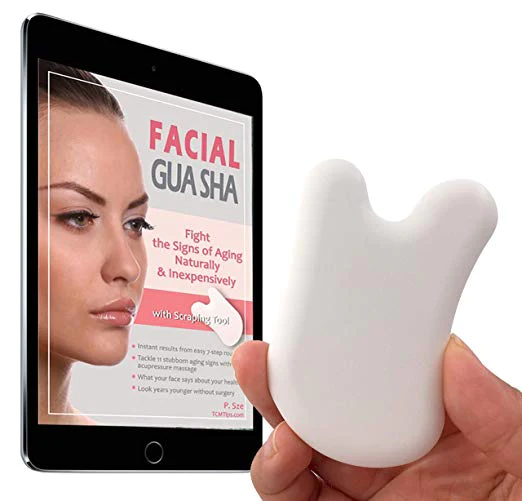
Try our Anti-Aging Gua Sha Tool designed to bring out your skin’s natural glow.
Best Gua Sha Product- Anti-Aging: The tool is designed to target 11 specific aging signs such as wrinkles and sagging skin. By following the 7-step routine, users can improve skin firmness and reduce fine lines naturally.
- Enhances Skincare Routine: It works effectively with serums and lotions, boosting absorption and efficacy of skincare products.
- Visible Skin Improvement: Users can expect a smoother complexion, reduced puffiness, and a more youthful appearance.