 P. Sze
When You Eat Matters: How Pre- and Post-Workout Nutrition Shapes Energy, Fat Loss, and Recovery
Between busy mornings, long workdays, and family responsibilities, many women end up fitting workouts into already packed schedules. That often leads to one practical question: is it better to eat before exercising, after, or not at all? Nutrition science shows that meal timing can meaningfully affect energy, fat metabolism, and recovery—and these insights align closely with Traditional Chinese Medicine (TCM), which emphasizes digestion and the smooth flow of energy. Research on nutrient timing, including evidence discussed in this study, helps explain why when you eat can influence how your body responds to exercise.
Eating Before a Workout: How Fuel Timing Impacts Energy and Performance
Eating before exercise supplies readily available energy, especially for moderate- to high-intensity workouts.
Research consistently shows:
- Carbohydrates consumed before exercise increase muscle glycogen, the body’s primary fuel source.
- Adequate pre-workout fuel delays fatigue and improves endurance.
- Including protein before workouts can reduce muscle breakdown.
In controlled studies summarized in the literature, pre-exercise carbohydrate intake improved endurance performance by approximately 10–13%, particularly in workouts lasting longer than 60 minutes. For women trying to make the most of limited workout time, eating beforehand can lead to more productive, focused sessions rather than feeling drained halfway through.
Fasted Workouts: Fat Burning During Exercise vs. Real-World Results
Fasted workouts—often done first thing in the morning—are popular for fat loss, but the research presents a more nuanced picture.
Key findings include:
- Fat oxidation during exercise is higher when working out in a fasted state.
- When total daily calories and protein intake are matched, long-term fat loss is often similar between fasted and fed workouts.
- Some individuals experience reduced power output, dizziness, or early fatigue when exercising without food.
Studies comparing fed and fasted training suggest that while fasted workouts may change how fuel is used during a session, they do not consistently lead to greater body fat reduction over time.
Eating After a Workout: Why Recovery Nutrition Matters Most
Post-workout nutrition is where researchers show the strongest agreement.
Evidence highlights that:
- Protein intake after exercise increases muscle protein synthesis by 20–40% compared to skipping post-workout nutrition.
- Carbohydrates help replenish glycogen stores, reducing soreness and next-day fatigue.
- Refueling within about 30–60 minutes is particularly beneficial after intense or long workouts.
For women exercising several times a week, consistent post-workout nutrition supports muscle tone, metabolic health, and sustainable energy levels.
How These Conclusions Were Reached: Research Methodology Explained
The conclusions about workout nutrition timing are based on multiple randomized controlled trials and observational studies. Researchers compared fed versus fasted exercise, measured muscle glycogen levels, tracked muscle protein synthesis, and analyzed changes in body composition over time. By combining short-term metabolic data with longer-term outcomes, scientists identified patterns that apply broadly rather than relying on isolated results.
Practical Nutrition Takeaways You Can Apply Today
- Eat before workouts if intensity or duration is moderate to high.
- Fasted workouts may work for short, low-intensity sessions.
- Prioritize protein and carbohydrates after training.
- Consistency matters more than perfect timing.
TCM Acupressure Tips to Support Energy, Digestion, and Fat Metabolism
In Traditional Chinese Medicine, food must be properly transformed into usable energy (Qi). Even with ideal nutrition timing, weak digestion or stagnant energy can interfere with results. Targeted acupressure can support digestion, core vitality, and metabolic balance—helping your body make better use of what you eat around workouts.
GB 26 (Dai Mai): Regulate the Waist and Prevent Energy Stagnation
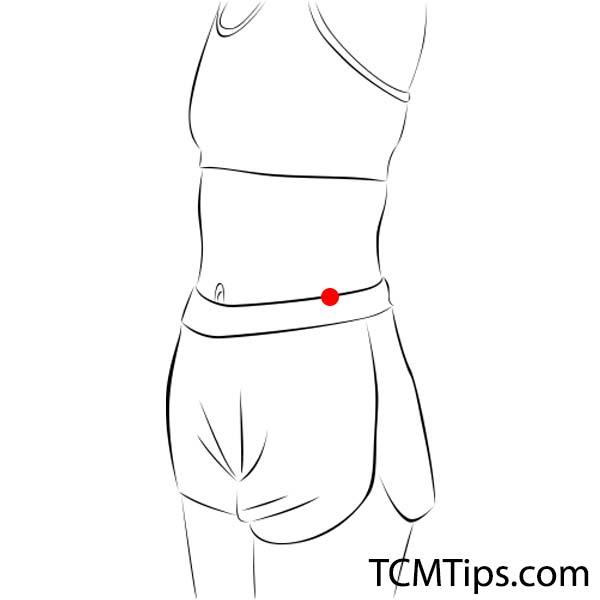
Located on the side of the body at the level of the navel, just below the lowest rib, GB 26 is associated with regulating energy flow around the waist and hips. In TCM, stagnation here is often linked to abdominal fullness, heaviness, and difficulty losing weight around the midsection.
Use firm but comfortable pressure for 1–2 minutes on each side, especially after meals or post-workout, to encourage smoother energy movement.
Ren 4 (Guan Yuan): Build Core Energy and Support Recovery
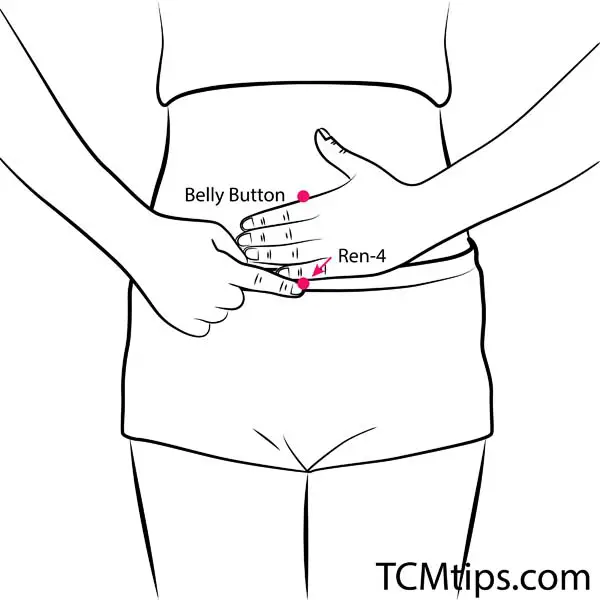
Located on the midline of the lower abdomen about four finger-widths below the navel, Ren 4 supports foundational energy and recovery capacity. It is closely tied to stamina, hormonal balance, and post-exercise restoration.
Apply gentle circular pressure for 1–2 minutes after workouts or in the evening to help replenish energy depleted by training.
SP 6 (San Yin Jiao): Improve Digestion and Nutrient Utilization
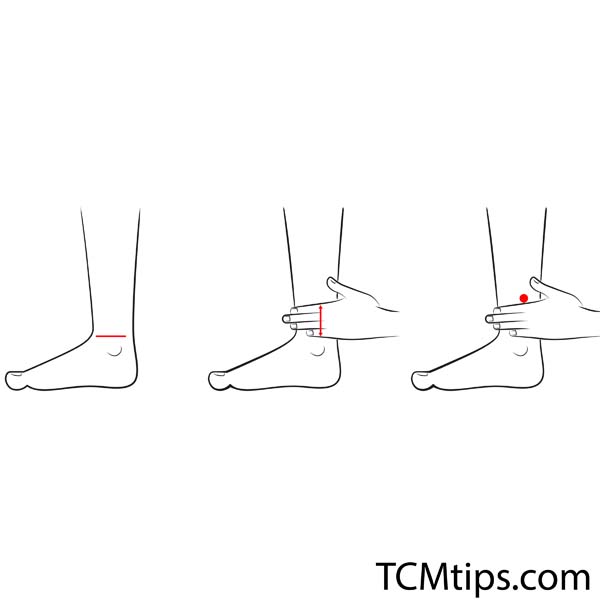
Located on the inner lower leg, about four finger-widths above the ankle, SP 6 connects the Spleen, Liver, and Kidney systems. These systems play key roles in digestion, metabolism, and muscle nourishment.
Use steady pressure for 1–2 minutes after meals or exercise to support digestion, reduce heaviness, and enhance recovery.
If you’d like to explore this further, this in-depth guide on acupressure points for weight loss explains how specific points can support metabolism, digestion, and long-term energy balance when practiced consistently alongside exercise and mindful eating.
By aligning smart nutrition timing with targeted acupressure, you can support workout performance, recovery, and long-term balance—without adding more stress to your already full day.
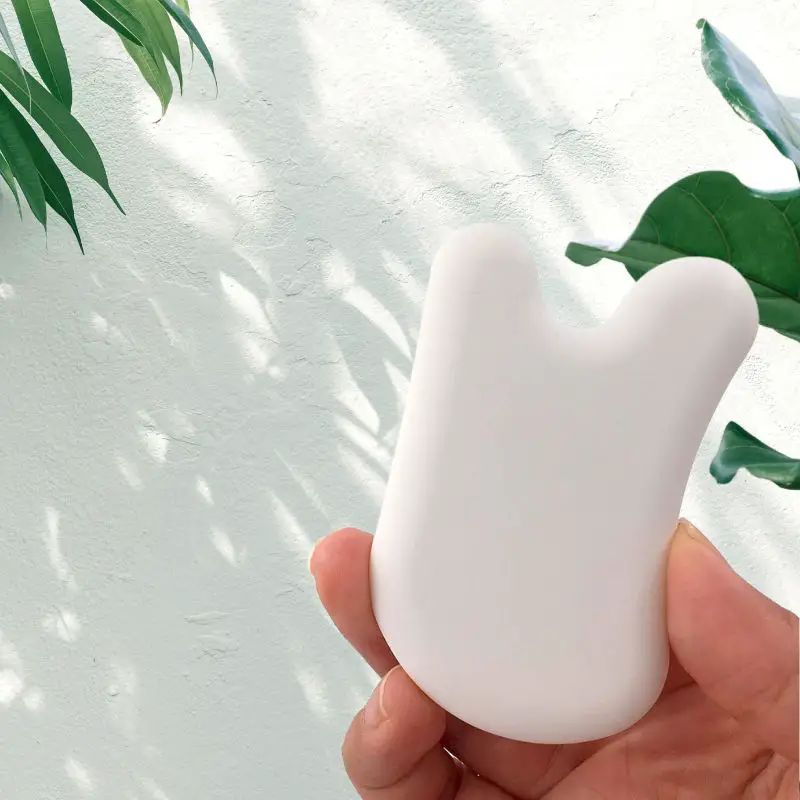
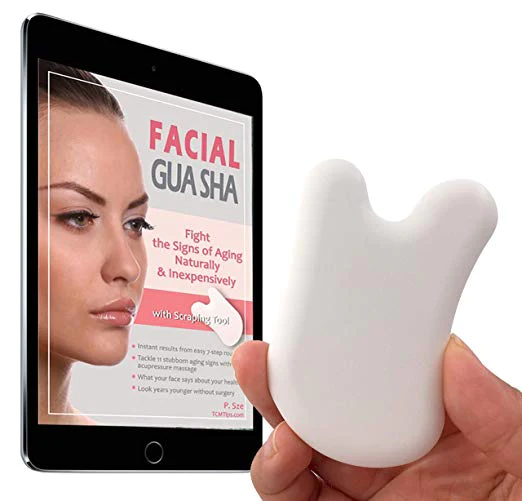
Try our Anti-Aging Gua Sha Tool designed to bring out your skin’s natural glow.
Best Gua Sha Product- Anti-Aging: The tool is designed to target 11 specific aging signs such as wrinkles and sagging skin. By following the 7-step routine, users can improve skin firmness and reduce fine lines naturally.
- Enhances Skincare Routine: It works effectively with serums and lotions, boosting absorption and efficacy of skincare products.
- Visible Skin Improvement: Users can expect a smoother complexion, reduced puffiness, and a more youthful appearance.