 P. Sze
Eating Earlier May Be One of the Simplest Ways to Protect Your Heart
If your mornings start with coffee instead of breakfast, and dinner often happens late at night once everything finally slows down, you’re living a reality many women face. Busy schedules, family responsibilities, and long workdays push meals later without much thought. But new research suggests that these everyday habits may quietly increase your risk of heart disease over time.
Recent findings show that when you eat—especially breakfast and dinner—may play a meaningful role in long-term heart health. This insight feels especially relevant for women in their 30s to 50s, a stage of life when cardiovascular risk begins to rise even if you feel generally healthy.
New Research on Meal Timing and Heart Health
A large population study published in Nature Communications examined how meal timing relates to cardiovascular disease risk over several years (https://doi.org/10.1038/s41467-023-43444-3). Instead of focusing on calories or specific diets, researchers looked at the clock—when people ate their meals—and tracked how that aligned with later heart outcomes.
The results suggest that eating earlier in the day may help support the body’s natural rhythm, while consistently eating late may disrupt metabolic and cardiovascular processes.
Key Findings: What the Numbers Reveal
The study analyzed data from the French NutriNet-Santé cohort, which followed more than 103,000 adults for an average of 7 years. Participants logged detailed dietary records, including exact meal times.
The main findings were striking:
- Late breakfast increased cardiovascular risk Participants who ate breakfast after 9:00 a.m. had a 6% higher risk of developing cardiovascular disease compared to those who ate earlier.
- Late dinner raised stroke-related risk Eating dinner after 9:00 p.m. was linked to a 28% higher risk of cerebrovascular disease, including stroke.
- Each hour of delay mattered For every one-hour delay in breakfast timing, cardiovascular risk increased incrementally, suggesting a clear pattern rather than a coincidence.
These associations remained significant even after accounting for diet quality, physical activity, smoking, alcohol intake, and body mass index.
How the Study Was Conducted
This was an observational cohort study, meaning researchers did not assign meal times. Instead, they:
- Collected repeated 24-hour dietary records over time
- Analyzed breakfast and dinner timing patterns
- Followed participants for diagnosed cardiovascular events
Because of this design, the study does not prove causation. However, the large sample size, long follow-up period, and consistent associations strengthen the credibility of the findings.
Why Eating Late May Stress the Heart
Researchers believe late meals may interfere with the body’s internal clock, also known as circadian rhythm. When eating happens late at night, it may:
- Reduce insulin sensitivity
- Disrupt fat metabolism
- Increase inflammation and blood pressure overnight
Over years, these small disruptions may add up, placing extra strain on the heart and blood vessels.
TCM Perspective: Using Acupressure to Support Heart Health Naturally
Traditional Chinese Medicine views heart health as closely tied to digestion, circulation, and emotional balance. When meals are irregular or eaten late, the Spleen, Kidneys, and Pericardium systems can fall out of sync. Alongside adjusting daily routines, many people turn to acupressure for heart health to support circulation, calm the nervous system, and restore internal rhythm.
Three Acupressure Points to Support Heart Health
SP 1 (Spleen 1 – Yin Bai / Hidden White)
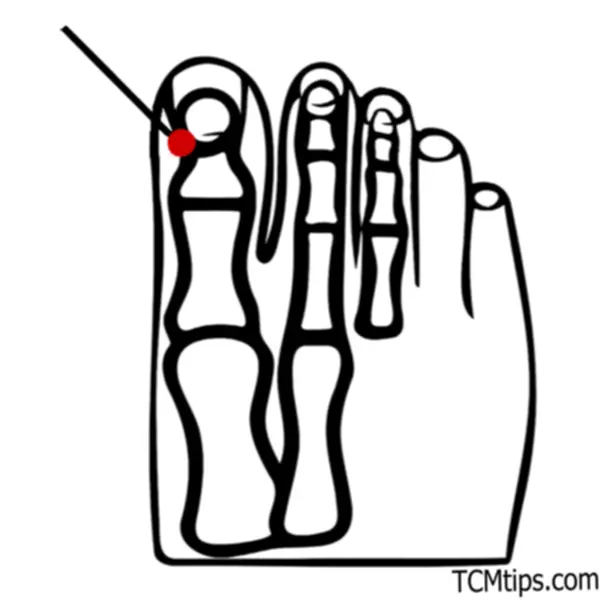
The Spleen governs digestion and blood production in TCM. When meals are delayed or skipped, Spleen qi can weaken, affecting circulation and heart nourishment. Location: On the inner corner of the big toe, just beside the nail.
KD 7 (Kidney 7 – Fu Liu / Returning Current)
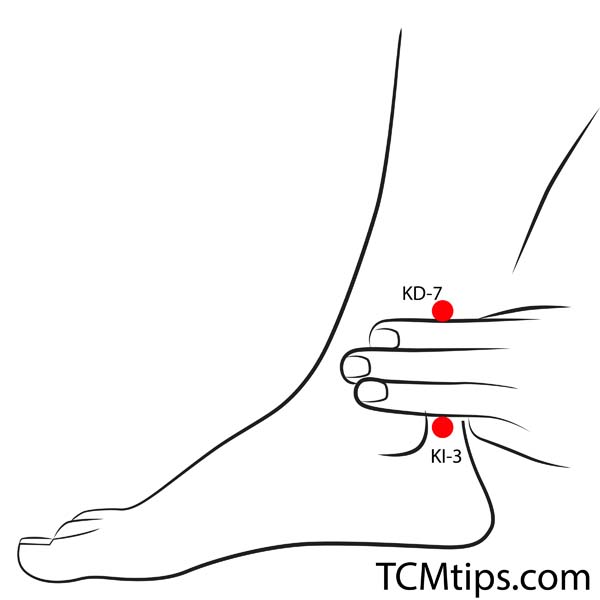
This point supports fluid balance and Kidney yang, which fuels circulation and warmth in the body. Late dinners can burden this system, contributing to sluggish circulation. Location: Three finger-widths above the inner ankle bone, in front of the Achilles tendon.
PC 6 (Pericardium 6 – Nei Guan / Inner Pass)
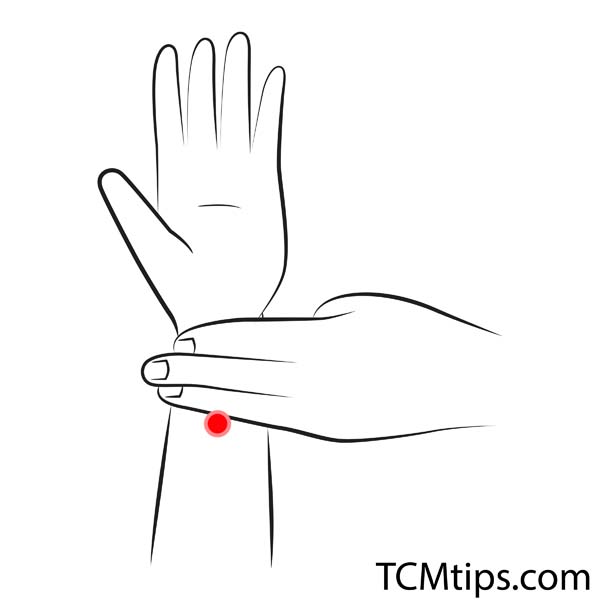
PC 6 is a key point for calming the nervous system and protecting the heart from stress. It also helps harmonize digestion when stress and irregular routines overlap. Location: Three finger-widths below the wrist crease, between two tendons on the inner forearm.
A Practical Takeaway for Daily Life
You don’t need perfection to benefit. Even shifting breakfast earlier by 30–60 minutes or finishing dinner before 9 p.m. may help your body align more closely with its natural rhythm. Combined with regular acupressure, these small changes offer a realistic, sustainable way to care for your heart—one habit at a time.
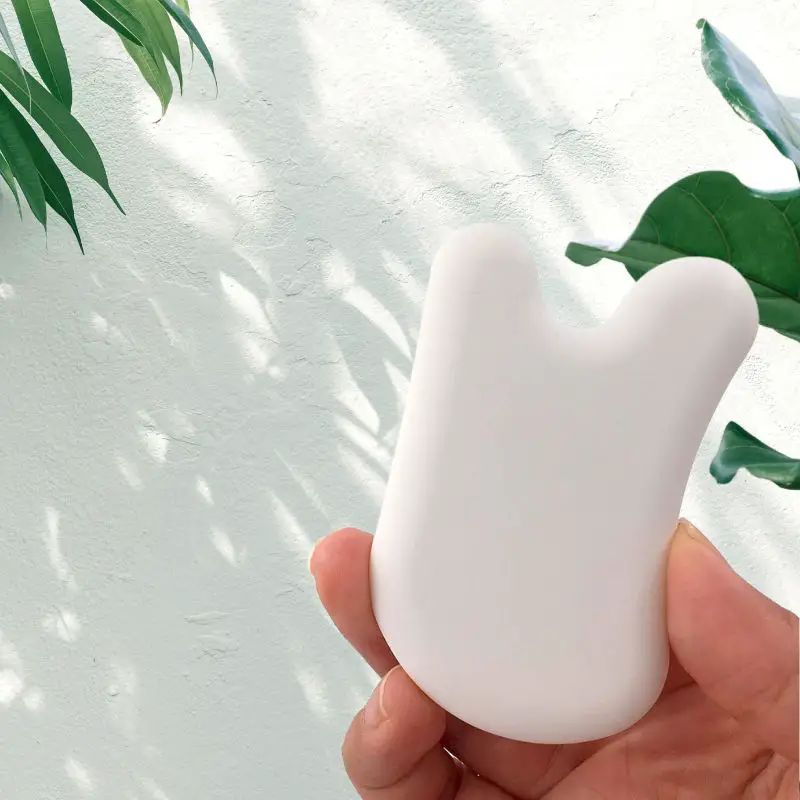
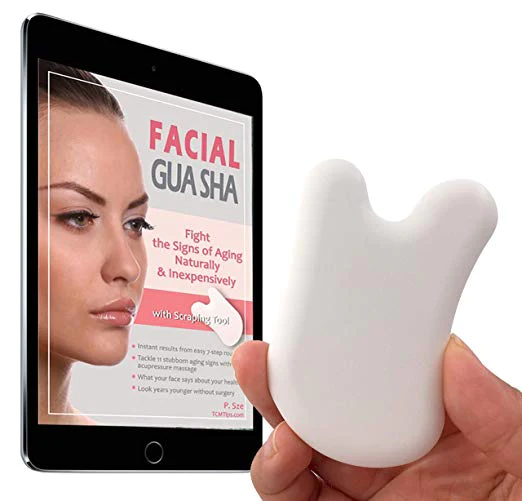
Try our Anti-Aging Gua Sha Tool designed to bring out your skin’s natural glow.
Best Gua Sha Product- Anti-Aging: The tool is designed to target 11 specific aging signs such as wrinkles and sagging skin. By following the 7-step routine, users can improve skin firmness and reduce fine lines naturally.
- Enhances Skincare Routine: It works effectively with serums and lotions, boosting absorption and efficacy of skincare products.
- Visible Skin Improvement: Users can expect a smoother complexion, reduced puffiness, and a more youthful appearance.