 P. Sze
The Real Age Your Body Starts Aging — and How to Fight It Naturally
What if aging doesn’t start when you think it does?
Many women believe aging begins in their 60s, once wrinkles set in and energy levels start to dip. But surprising new research shows that your body may start aging much earlier — quietly, invisibly, and deep inside your organs — even while you still feel young.
A recent study published in the journal Cell (view the research here) reveals that aging doesn’t happen uniformly across the body, and some organs begin aging as early as your 30s. This is a wake-up call: if you’re in your 30s to 50s, the time to care for your long-term health and vitality is right now. And with the help of Traditional Chinese Medicine (TCM), you can do it naturally, from the comfort of your home.
Study Summary: Your Organs Age at Different Speeds
Not all aging is visible — and it starts early
Scientists at the Chinese Academy of Sciences conducted a comprehensive study of 516 tissue samples taken from 76 individuals aged 14 to 79 who had died from brain injuries. By analyzing protein changes across eight major organs — including the heart, liver, lungs, spleen, and adrenal glands — researchers mapped out a new “aging clock” that reveals when and where aging starts inside the body.
Key findings include:
- Signs of organ aging appear as early as age 30 in some tissues.
- A significant acceleration in aging occurs between ages 45 and 55.
- By age 50, many organs show advanced protein-level aging, even if the person appears healthy externally.
This challenges the idea that aging is a gradual, whole-body process that starts late in life. Instead, it’s a staggered, internal process — and for some organs, the clock starts ticking far earlier than expected.
Which organs age first?
According to the study:
- Aorta – Begins aging in your early 30s. Changes in this major artery may lead to stiffness, high blood pressure, and heart strain.
- Spleen – Shows early signs of immune function decline.
- Adrenal Glands – Critical for stress hormones, they begin to show aging changes by midlife.
Other organs like the liver and pancreas start aging closer to age 50, while the intestines and skin tend to age more slowly.
How the Study Was Conducted
The researchers used quantitative proteomics, a method that studies how proteins in the body change with age. Proteins are essential to cell function, and shifts in their expression can indicate the health and aging status of organs.
Participants’ samples came from deceased individuals with no chronic illness, which helped isolate natural aging processes rather than disease-related changes. This allowed the researchers to build one of the most detailed timelines of internal aging ever published.
What This Means for Women in Their 30s to 50s
If you’re between 30 and 55, you’re likely already in the “early aging” phase — even if you feel fine. This study suggests that your biological age could be advancing beneath the surface, especially in organs like your heart and adrenal glands.
The takeaway? Don’t wait until the signs of aging show up on your skin. Now is the time to build healthy habits, including proper nutrition, movement, stress reduction, and ancient self-care practices like acupressure to help slow the internal clock.
3 Facial Acupressure Points to Support Healthy Aging
While the science focuses on what’s happening inside the body, Traditional Chinese Medicine has long recognized the link between internal organ health and facial vitality. Regular facial acupressure not only improves skin tone and circulation, but also supports the underlying organ systems connected to these points.
Here are three simple yet powerful acupressure points you can use today:
1. ST 2 (Sibai) – “Four Whites”
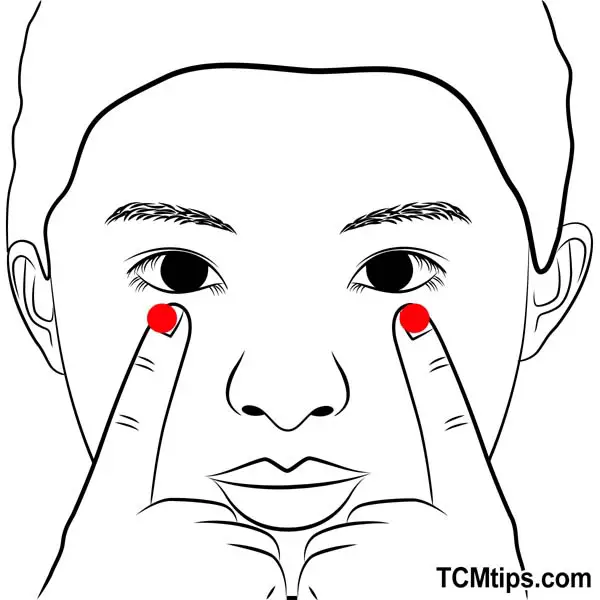
- Location: Directly below the eye, one finger-width under the lower eyelid in the cheekbone depression.
- Benefits: Reduces under-eye puffiness, improves circulation, brightens complexion, and relieves eye fatigue.
- How to Use: Gently press both points with your index fingers for 1 minute while breathing deeply.
2. ST 7 (Xiaguan) – “Below the Joint”
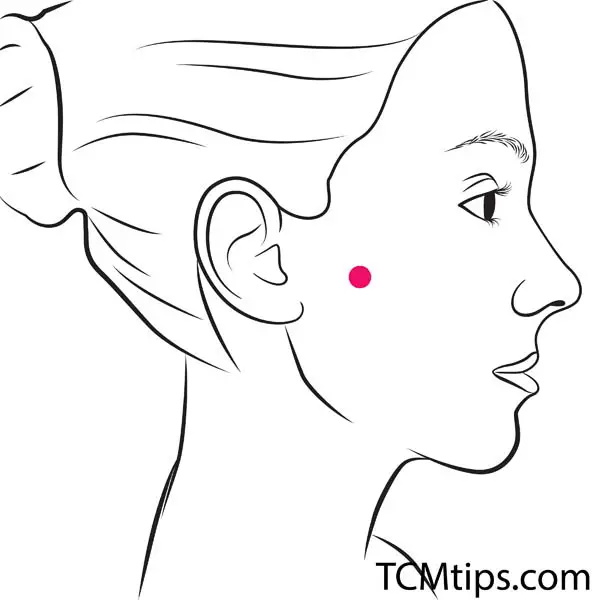
- Location: In front of the ear, where the upper and lower jaw meet (you can feel it when you open your mouth slightly).
- Benefits: Relieves jaw tension, improves facial lymph flow, and eases tension headaches.
- How to Use: With your mouth slightly open, press gently for 30–60 seconds on both sides.
3. ST 4 (Dicang) – “Earth Granary”
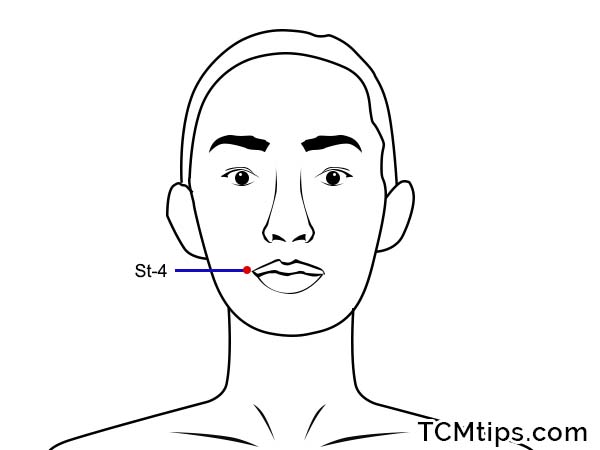
- Location: At the corners of the mouth, about half an inch out toward the cheeks.
- Benefits: Firms the cheeks, reduces fine lines, and stimulates local circulation.
- How to Use: Use circular pressure for 30 seconds to 1 minute on each side of the face.
Bonus Tip: Combine with Breathwork
Enhance your results by pairing each acupressure session with slow, nasal breathing. This relaxes the nervous system and improves energy flow (Qi) throughout the body — a core principle in TCM.
If you’re ready to take your self-care a step further, check out our full guide to facial acupressure to look younger, featuring four expert-approved techniques that support glowing skin and internal balance.
Take Charge of Aging Before It Takes Charge of You
This research proves that aging starts long before we see the signs in the mirror. But by embracing ancient wellness tools like acupressure, you can actively support your organ health, boost circulation, and slow the aging process — from the inside out.
Want more simple ways to care for your body using time-tested TCM wisdom? Visit TCMTips.com and discover how to turn small, daily rituals into powerful wellness habits.
Your body has already started aging — but you can choose how well it ages.
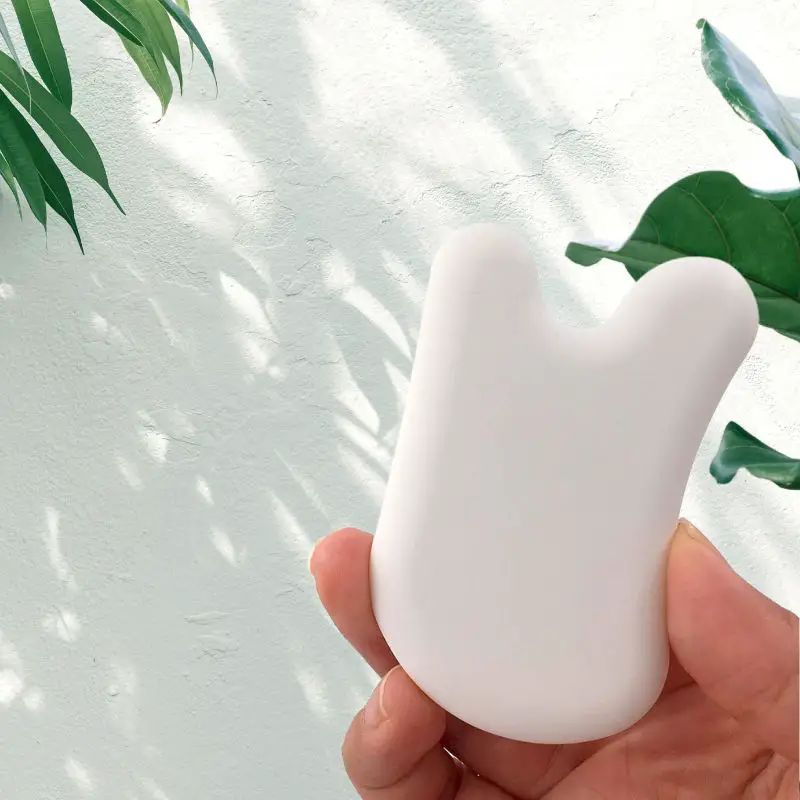
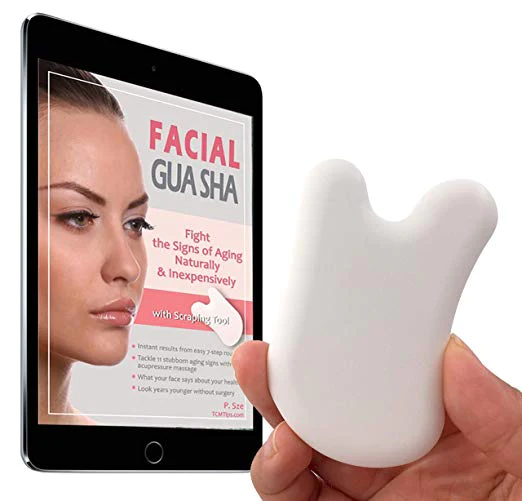
Try our Anti-Aging Gua Sha Tool designed to bring out your skin’s natural glow.
Best Gua Sha Product- Anti-Aging: The tool is designed to target 11 specific aging signs such as wrinkles and sagging skin. By following the 7-step routine, users can improve skin firmness and reduce fine lines naturally.
- Enhances Skincare Routine: It works effectively with serums and lotions, boosting absorption and efficacy of skincare products.
- Visible Skin Improvement: Users can expect a smoother complexion, reduced puffiness, and a more youthful appearance.